

Japan’s Temples Map for Kyoto, Nara, and Day Trips to Try!
1) Kiyomizu-dera + Sannenzaka Photo Walk (East Kyoto Starter Pin)
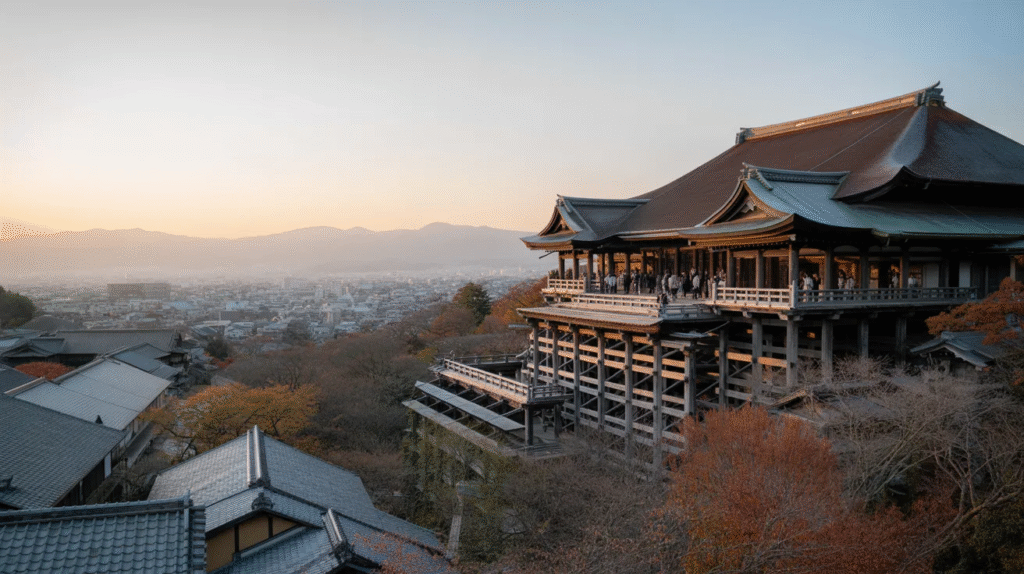
Kiyomizu-dera is the perfect “first pin” because it gives you instant Kyoto vibes—wooden architecture, hillside views, and that classic old-town approach nearby. Start early, then trace your map downhill through Sannenzaka and Ninenzaka for tidy streets, small shops, and easy portrait spots. Keep your outfit simple and neutral so the temple colors pop, and plan a slow pace because this area rewards detours.
For photos, aim for morning light on the rooftops, then pause at side alleys where crowds thin out fast. Add a tea stop to your route so you can reset and keep your map flow realistic. If your day is short, pair this pin with Gion at sunset. If you have more time, continue toward Maruyama Park for a soft, leafy “Kyoto calm” finish.
2) Kōdai-ji + Bamboo Grove Pocket (Night Illumination Mood)
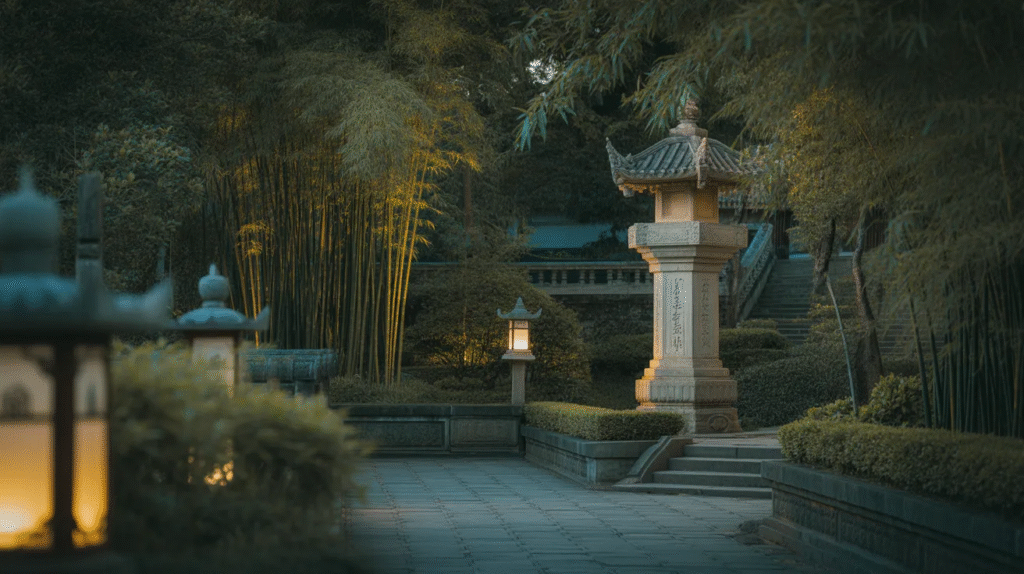
Kōdai-ji feels like Kyoto’s “quiet luxury” temple stop—gardens, paths, and a peaceful pace that’s great for Pinterest-style storytelling. Put it near the top of your East Kyoto cluster, right after your Kiyomizu area walk, so you’re not zig-zagging across town. The grounds are photogenic even when you’re not chasing perfect weather, which makes it a reliable pin for real itineraries.
Use this stop as your “slow down” moment: walk the garden loop, capture lanterns, then step into nearby streets for café breaks and local snacks. If you’re building a map for multiple days, pair Kōdai-ji with Kennin-ji and Yasaka Shrine for a compact route that looks varied in photos without requiring long transit.
3) Kennin-ji (Gion’s Calm Temple Break)
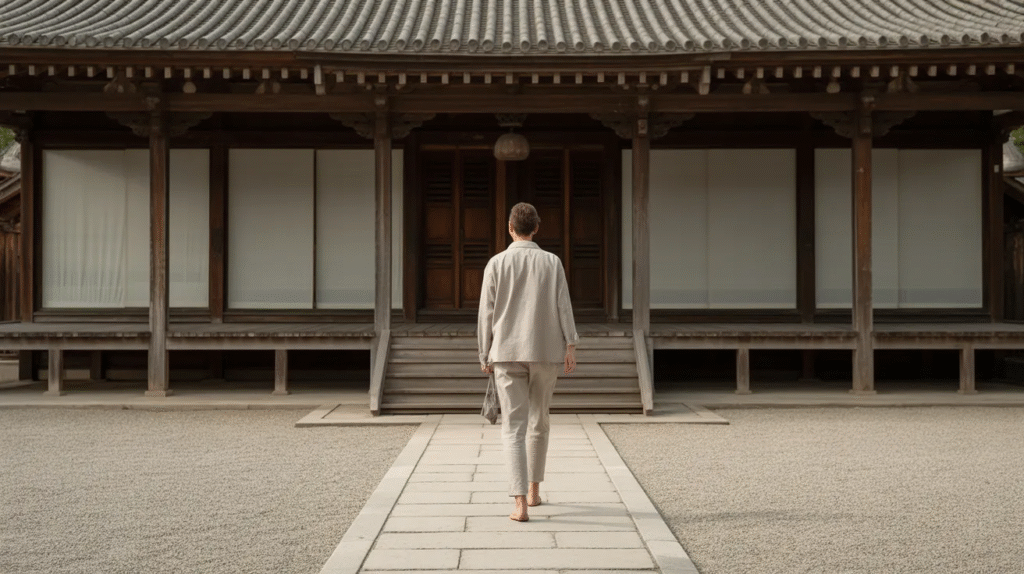
Kennin-ji is ideal when your map includes Gion but you want a calmer, less crowded stop between shopping streets and scenic alleys. It’s a “reset temple” that helps your route feel balanced—less rush, more pause. Drop it into your afternoon slot so you can escape peak crowds, then return to nearby lanes when the light turns golden. The contrast between busy streets and quiet courtyards makes your day feel intentional.
For Pinterest visuals, focus on symmetry, clean lines, and soft details like wooden textures and simple gardens. Keep your camera settings bright and airy, and take a few slow walking shots on the veranda for that “Kyoto diary” vibe. This pin pairs beautifully with a matcha stop and a short evening stroll through Gion’s lantern-lit corners.
4) Hōkan-ji (Yasaka Pagoda) Sunrise Street Shot
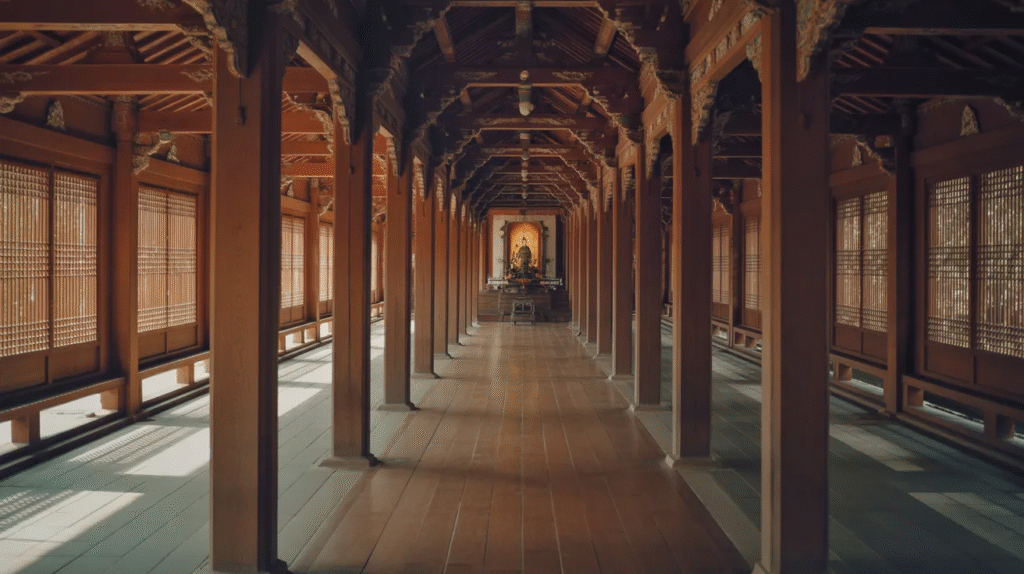
Hōkan-ji (often pinned as Yasaka Pagoda) is a “map moment” more than a long visit, and that’s what makes it powerful for planners. Add it as a quick photo pin between Kiyomizu-area streets and Gion, so your route feels like a smooth walking story. Sunrise is the dream scenario, but even mid-morning works if you angle your shot and use side streets for breathing room.
Treat this pin like a mini goal: arrive, capture the classic lane view, then move on before crowds stack up. It’s also a great “outfit check” location—neutral coats, soft scarves, and clean silhouettes look timeless here. If your map includes multiple photo stops, keep them close like this so your day stays fun instead of exhausting.
5) Sanjūsangen-dō (Statue Hall Wow Factor)
Sanjūsangen-dō adds a totally different texture to your Kyoto temples map because it’s less about sweeping outdoor views and more about a “quiet awe” atmosphere. Place it after your East Kyoto walking pins, especially if you want a break from outdoor crowds and shopping streets. It’s a strong choice for travelers who like cultural highlights that feel meaningful without needing a long hike or complicated transit.
For content, frame this pin as a “slow, respectful stop” where you keep your pace gentle and your camera subtle. Then continue your route toward Kyoto Station area for an easy meal or a rest before evening plans. This temple works well in a 2-day Kyoto map because it fills a time slot that’s usually awkward between sightseeing clusters.
6) Tōfuku-ji (Leafy Paths + Big Gate Energy)
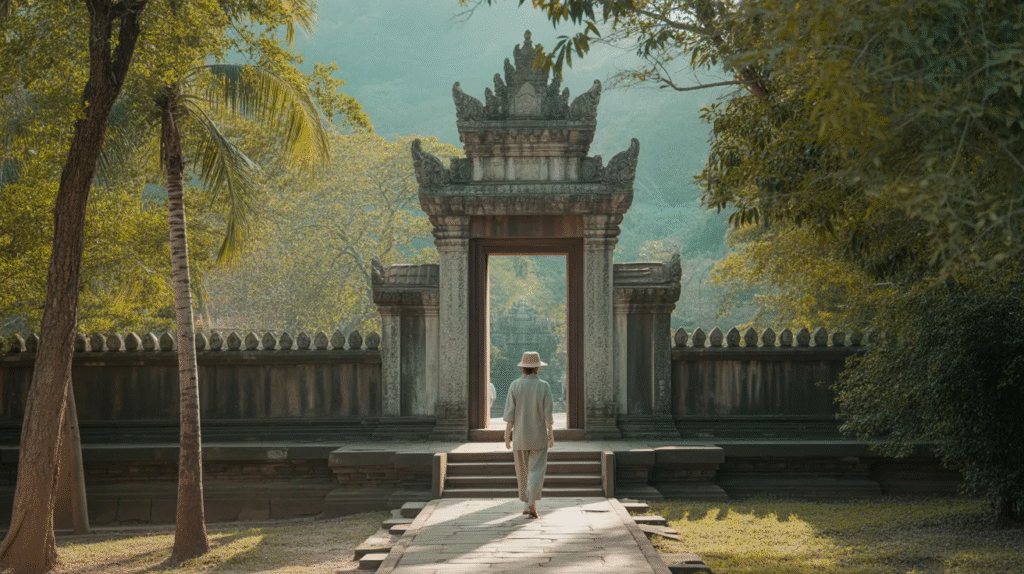
Tōfuku-ji is a great pin when you want Kyoto temple vibes but don’t want to repeat the same “tourist street” look. Add it to your southern Kyoto cluster near Fushimi-Inari-side planning, so your map becomes logical and time-friendly. It’s especially satisfying if you love quiet walking paths and layered greenery that makes photos look fresh and calm.
Keep your itinerary simple here: arrive, walk the grounds, then move on to your next “big icon” stop. This pairing makes your map feel complete—one leafy temple pin plus one headline shrine/temple pin. If you’re building a Pinterest map graphic, label this as your “green break” stop so people instantly understand why it belongs.
7) Fushimi Inari (Torii Gate Hike with Smart Timing)
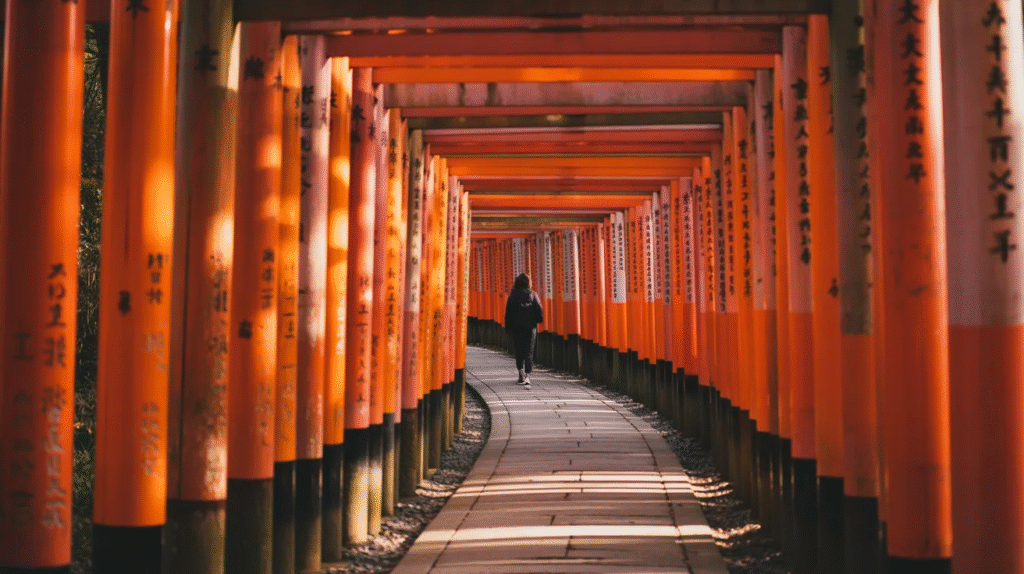
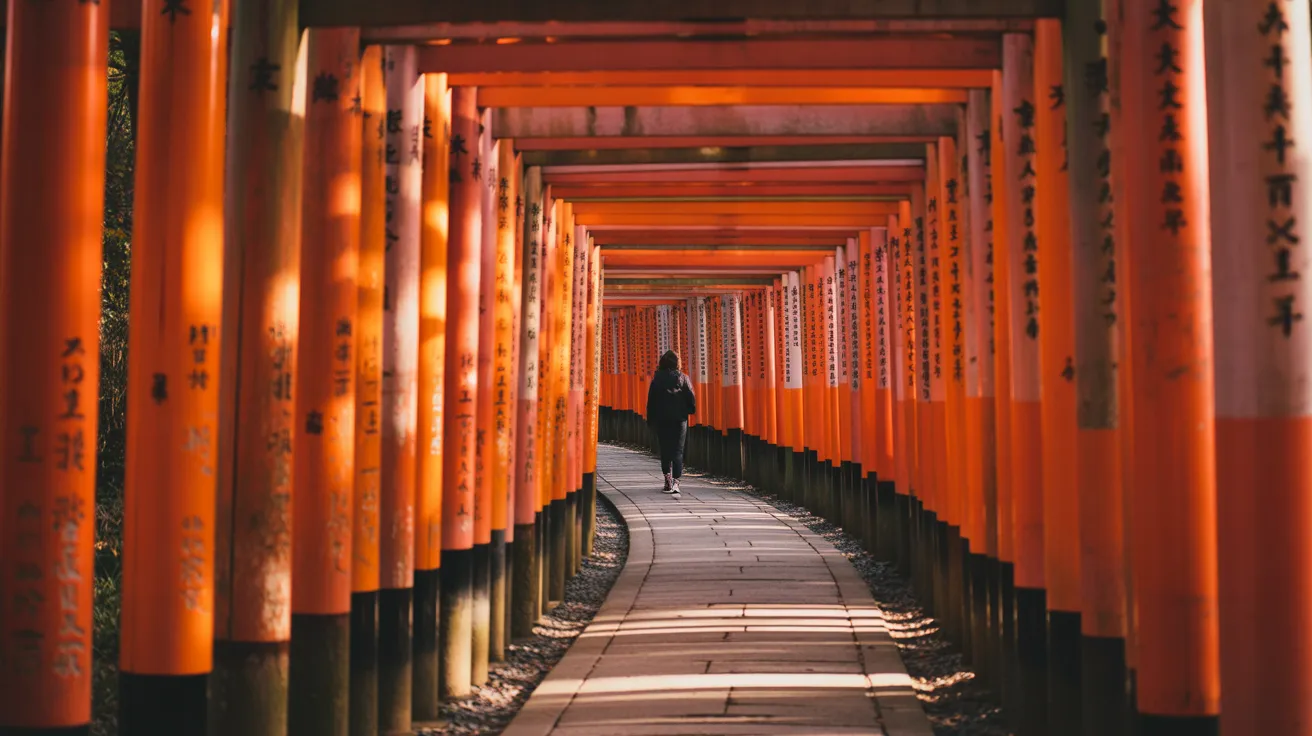
Fushimi Inari is the Kyoto map pin that screams “Japan bucket list,” and it’s worth planning around for a smoother experience. Put it on your map as an early morning mission, even if you’re not a sunrise person, because that timing changes everything. Start at the main entrance, walk until the crowds thin, then turn around when you feel satisfied—not when you feel tired.
To keep it Pinterest-friendly, describe this pin as a “choose-your-own-distance” hike with photo checkpoints. Bring water, wear shoes that handle stairs, and keep a neutral outfit so the torii color stays the hero. Afterward, schedule a relaxed lunch and a temple garden stop so your day doesn’t feel like one long climb.
8) Daigo-ji (Quiet Kyoto with Big Seasonal Mood)
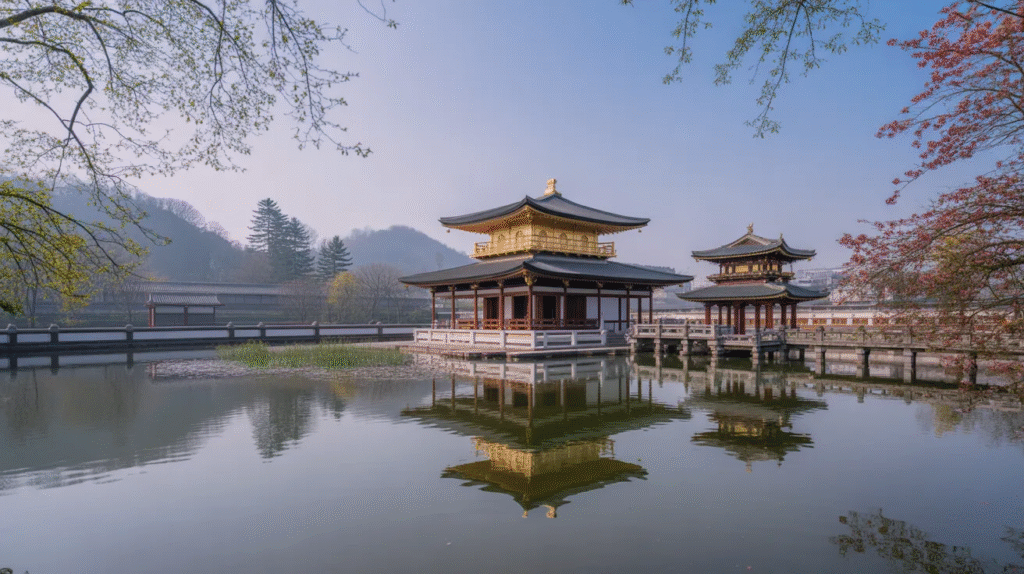
Daigo-ji is the pin you add when you want your Kyoto map to feel deeper than the standard icons. It’s a little more “intentional traveler,” which works perfectly for Pinterest readers building a multi-day plan. Place it on a day when you’re already exploring the southeast side of Kyoto, so transit stays reasonable. This stop is best when you want space to breathe, not when you’re racing.
Write this idea like a mini escape: slower paths, fewer crowds, and photo-friendly scenes that feel calm and spacious. Pair it with a café break and one nearby neighborhood stroll so the day feels curated. If your audience loves seasonal travel, frame Daigo-ji as a “come back in a different season” kind of temple.
9) Nanzen-ji (Giant Gate + Canal Walk Add-On)
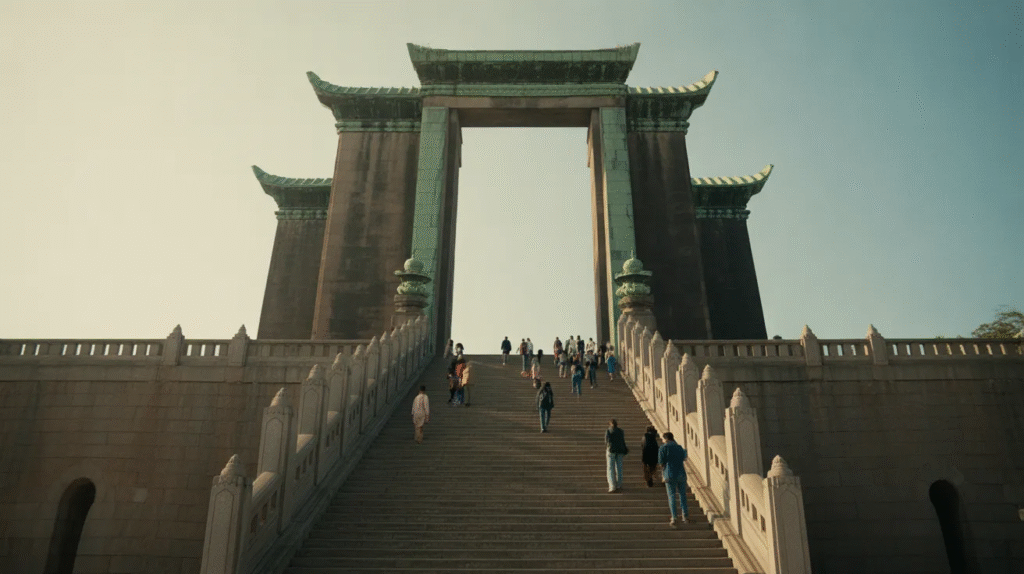
Nanzen-ji is a strong “architecture pin” because it gives your map a bold landmark moment without needing hours. Add it into your East Kyoto day as a mid-afternoon anchor, then connect it to a gentle walking route nearby for extra value. It’s a great place to slow your pace, grab wide shots, and let your photos feel grand without trying too hard.
For a Pinterest-style itinerary, describe Nanzen-ji as a two-part stop: the big gate moment first, then a relaxed walk that feels like a hidden local routine. This makes your map more than a list—it becomes a story. Pair it with a cozy dinner plan so your day ends on a warm, rewarding note.
10) Eikan-dō (Garden Path Romance Pin)
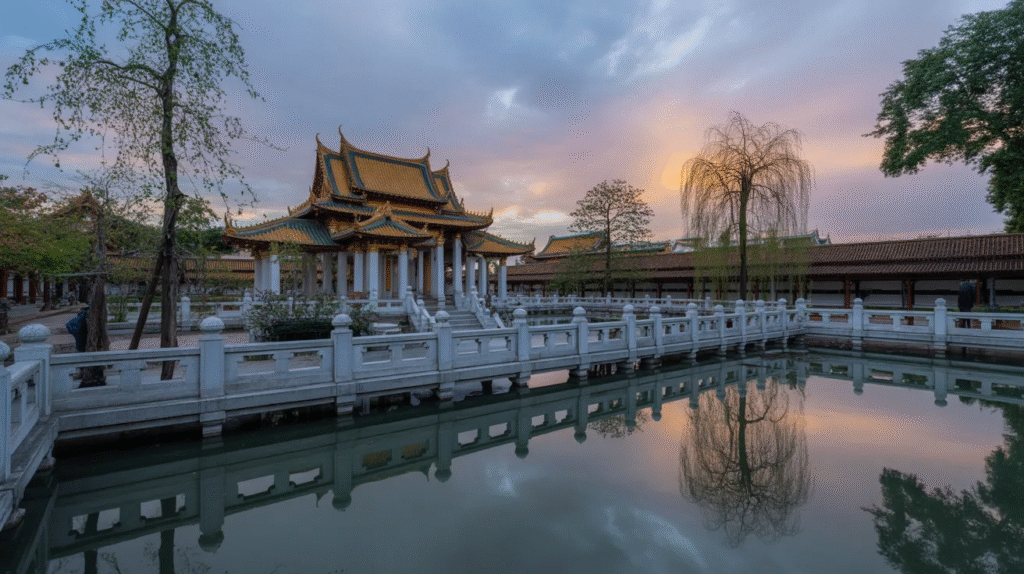
Eikan-dō belongs on your map if you want your Kyoto temple route to feel romantic and cinematic. It’s the kind of stop where you don’t need a big checklist—just slow steps, quiet corners, and gentle garden views that look beautiful in almost any weather. Place it right after Nanzen-ji on your map so your route flows naturally and your energy stays steady.
For visuals, focus on details: stepping stones, reflections, and soft layers of trees framing temple roofs. Add a “pause plan” in your text—like sitting for ten minutes and letting the vibe sink in—because that’s what Pinterest readers want to imagine. Finish this cluster with a sunset stroll back toward cafés for a perfectly paced day.
11) Ginkaku-ji (Silver Pavilion Area + Philosopher’s Path Vibes)
Ginkaku-ji is a smart map pin because it pairs naturally with scenic walking routes and creates a full half-day plan without stress. Put it at the top of your “North-East Kyoto” cluster, then let your map guide readers into a slow walk with snack stops and photo corners. This is ideal for travelers who want that gentle, reflective Kyoto mood rather than nonstop major attractions.
In your writing, keep the vibe soft and unhurried: arrive early, enjoy the garden, then walk with no rush and let the city feel quieter. Suggest a small café break and a simple lunch nearby to keep the day realistic. This pin also works beautifully for solo travelers who want calm spaces and easy navigation.
12) Ryōan-ji (Zen Rock Garden Minimalist Pin)
Ryōan-ji is the perfect “minimalist reset” pin for your map, especially if your itinerary includes busy areas like Arashiyama or downtown Kyoto. Place it in your northwest cluster so your day feels balanced—one iconic nature stop, one quiet temple stop, and a relaxed meal. This temple is less about chasing angles and more about letting simplicity become the main aesthetic.
For Pinterest readers, describe it as a quick but meaningful pause: sit, look, breathe, and enjoy the contrast to Kyoto’s more crowded icons. Encourage people to keep photos clean and uncluttered, and to capture a wide shot that communicates calm. Then move on before you feel overstimulated—this pin works best when it’s short and sweet.
13) Kinkaku-ji (Golden Pavilion Reflection Shot)
Kinkaku-ji is a “must-pin” because it’s instantly recognizable and makes your Kyoto temple map feel complete. Put it early in your northwest day so you can enjoy cleaner views before the busiest hours, then continue to quieter nearby stops. The best storytelling angle is the reflection moment—gold, water, and a garden frame that looks like a postcard without filters.
Keep this stop efficient: arrive, take your hero shot, then move through the garden loop without lingering too long in crowded pockets. In your map copy, suggest pairing it with Ryōan-ji for a “gold to Zen” contrast day. That contrast helps Pinterest readers imagine variety, and it makes your itinerary feel thoughtfully designed instead of randomly stacked.
14) Tenryū-ji + Arashiyama (Temple + Nature Combo Pin)
Tenryū-ji works because it’s not just a temple stop—it’s a whole “Kyoto nature day” when you combine it with Arashiyama wandering. Add it as the anchor pin in your Arashiyama cluster, then let your map show a gentle route that includes riverside views and small snack breaks. This creates a day that feels scenic, not rushed, which is exactly what Pinterest audiences love.
Write this idea like a flexible loop: temple garden first for calm photos, then explore the area at your own pace. Encourage readers to take breaks and avoid trying to do everything in one go. If crowds feel heavy, suggest shifting timing earlier or later in the day. This pin is all about atmosphere, not checklists.
15) Ninna-ji (Spacious Grounds + Elegant Calm)
Ninna-ji is a great “breathing room” pin that keeps your Kyoto map from feeling too tourist-heavy. It’s perfect for travelers who want temple beauty but also want space to move, sit, and enjoy quiet moments. Place it on the same day as Ryōan-ji or Kinkaku-ji planning so your northwest route stays tidy and you’re not bouncing across the city.
For Pinterest copy, highlight the spacious feeling and how it gives your itinerary a calmer rhythm. Recommend comfortable shoes and a slower pace, and encourage readers to take wide shots that show the scale. Pair it with a simple lunch stop and one more quiet temple so the whole day feels like a gentle Kyoto retreat.
16) Enryaku-ji (Mount Hiei Day Trip Temple Adventure)
Enryaku-ji is the “day trip upgrade” pin that makes your Kyoto temples map feel adventurous. Add it when readers want a break from city streets and crave mountain air, forest paths, and a more remote spiritual atmosphere. This stop works best when you plan it as the main event of the day, not a quick add-on, so the travel time feels worth it.
Describe it as a cooler, quieter Kyoto experience: bring layers, pack snacks, and let the route be part of the fun. Encourage wide landscape shots, moody fog photos if you get lucky, and slow walking clips for Reels-style content. End the day with a warm dinner back in Kyoto to make the contrast feel cozy.
17) Kurama-dera + Kibune (Temple + Riverside Escape Route)
Kurama-dera is a dreamy pin for travelers who want Kyoto’s temple culture mixed with nature and a little “hidden day” magic. Put it on your map as a paired route with Kibune so readers get a full story: forest paths, quiet stops, and a change of scenery that feels refreshing. It’s a great option when city temples start to blend together and you want something different.
In your content, frame it as a slow adventure day with comfortable shoes and flexible timing. Suggest planning food around the area so the trip feels complete, not just a quick photo run. For Pinterest visuals, focus on forest textures, stone steps, and calm portraits with soft light filtering through trees.
18) Byōdō-in (Uji) Half-Day “Temple + Matcha” Pin
Byōdō-in in Uji is a perfect day-trip pin because it combines temple beauty with a fun local theme—matcha and slow-town vibes. Add it to your map as a half-day plan from Kyoto: arrive, see the temple, then wander Uji streets for tea experiences that feel authentic and relaxing. This is a great choice for Pinterest readers who like structured plans with one clear destination and a few easy add-ons.
For your paragraphs, keep the route simple and realistic: temple first, photos second, snacks always. Suggest trying a matcha dessert as your “signature Uji moment,” then wrap the trip with a riverside walk. This pin also works well for rainy days because the calm mood still feels special in soft weather.
19) Sanzen-in (Ōhara) “Quiet Countryside Kyoto” Pin
Sanzen-in in Ōhara is the best pin for travelers who want a Kyoto day that feels like a retreat. Place it on your map as a countryside break between busier sightseeing days so your itinerary has a calmer rhythm. The vibe is soft, green, and peaceful, which makes it ideal for Pinterest audiences craving “slow travel” and cozy garden scenes.
Write this as a mindful half-day: arrive, walk slowly, soak up the quiet, and let photos focus on moss, stone details, and gentle pathways. Encourage readers to pack a light jacket and plan a simple lunch nearby so it feels like a full experience. This pin is perfect when you want Kyoto to feel restorative, not overwhelming.
20) Tōdai-ji (Nara) Great Buddha + Big Gate Day
Tōdai-ji is the Nara temple pin that instantly justifies a day trip—huge scale, powerful architecture, and a story you’ll remember. Add it as the anchor stop of your Nara map day, then build the rest of your route around nearby walks so transit stays simple. This is the kind of place where a wide shot tells the whole story, especially on the main approach.
For a Pinterest-friendly itinerary, plan this stop early, then slow down afterward with a park stroll and a café break. If you’re traveling with friends or family, this is a great “everyone will like it” pin because it’s impressive without being physically demanding. End your Nara route with lanterns or gardens for a softer finish.
21) Kasuga Taisha (Nara) Lantern Path Pin
Kasuga Taisha is the perfect Nara pin when you want your map to feel magical and atmospheric. The lantern theme makes photos feel instantly special, and the approach walk adds a “journey” feeling that Pinterest audiences love. Place it after Tōdai-ji on your map so the day flows naturally from big, bold architecture to softer, glowing details and forested calm.
Write this stop like a slow stroll: take your time on the path, capture lantern textures, and enjoy the calm forest vibe around the complex. For storytelling, suggest a simple snack break before or after, so readers imagine the day as comfortable and doable. This pin pairs beautifully with deer sightings and garden stops nearby.
22) Kōfuku-ji (Nara) Quick Icon Pin for a Compact Route
Kōfuku-ji is a smart pin when you want your Nara route to feel complete without adding complicated detours. It’s easy to include, easy to photograph, and works well as a “between stops” landmark that keeps your day structured. Add it as a midday anchor between your big temple visit and your lantern/shrine stop, so your map feels like a smooth loop instead of a scattered list.
For Pinterest content, describe it as a short stop with big visual payoff. Encourage readers to grab a wide shot first, then move on to keep the day light and enjoyable. If you’re making a multi-city map graphic, this pin helps Nara feel like it has multiple highlights—not just one famous temple.
23) Hōryū-ji (Ikaruga) Day Trip for “Ancient Japan” Energy
Hōryū-ji is the day-trip pin you add when your audience wants something that feels deeply historical and less crowded than the headline spots. Place it as a half-day add-on from Nara (or a full day if you prefer slow travel), and present it as a “choose this if you love architecture and history” option. This gives your map flexibility for different traveler styles.
Write the experience as calm and spacious: fewer rush moments, more looking closely at details and letting the place sink in. Suggest packing snacks and keeping your schedule gentle so transit doesn’t feel stressful. This pin is ideal for travelers who want their Japan temples map to feel meaningful, not just photogenic.
