

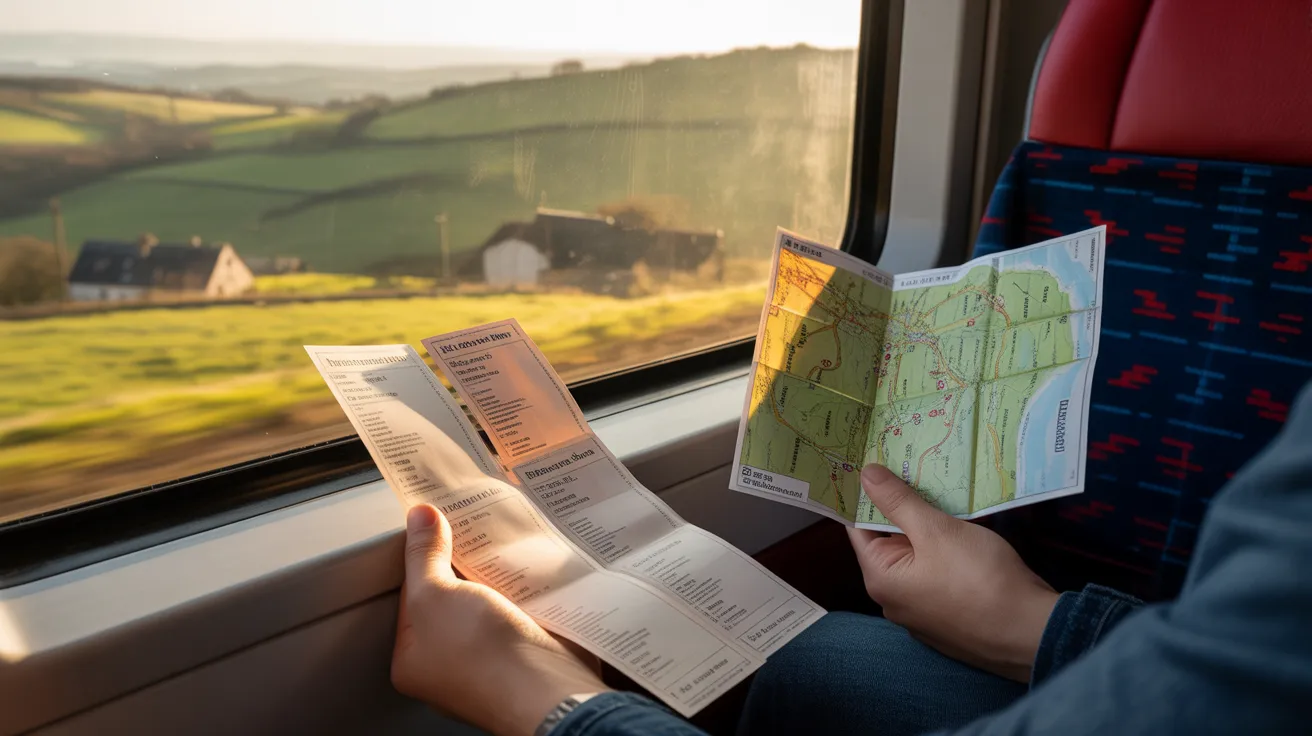
25 Japan on a Budget Guide for Transit Passes and Cheap Meals to Try!
Intro:
Traveling in Japan doesn’t have to break the bank. With the right planning, you can explore vibrant cities, serene temples, and scenic countryside while sticking to a budget. This guide covers 25 essential tips for traveling Japan affordably, from using transit passes and navigating trains efficiently to finding cheap meals and budget-friendly accommodations. Whether it’s your first trip or a return visit, these strategies help you enjoy the country’s culture, food, and attractions without overspending, making your journey both memorable and cost-effective.
1) Use an IC Card Like a Local (Suica/PASMO/ICOCA)
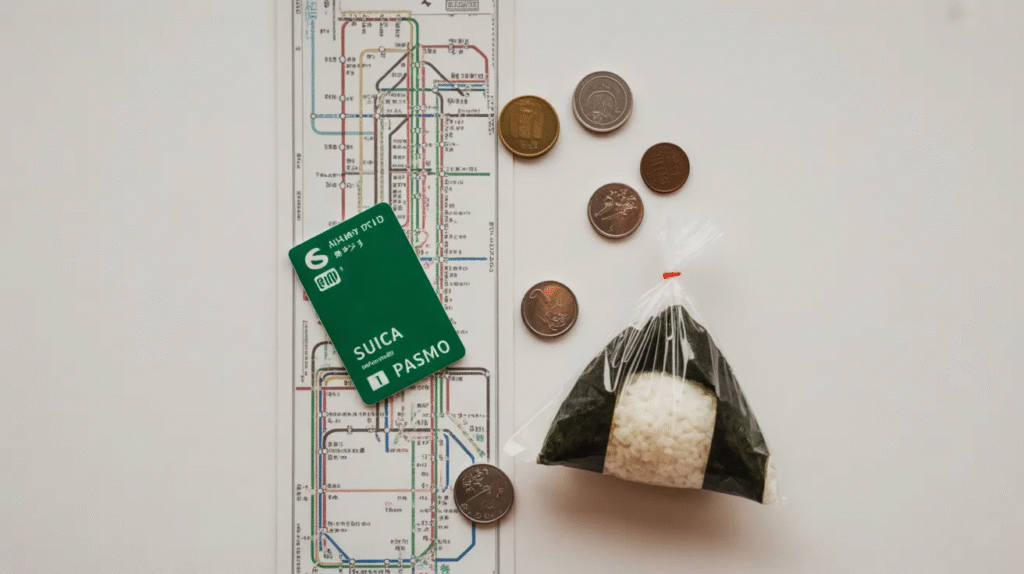
An IC card is the easiest budget move because it keeps you from overpaying on tickets, speeds up transfers, and works across trains, subways, many buses, and even convenience stores. Load a set amount each morning and treat it like a daily limit—when it’s gone, you slow down and explore on foot. It also prevents expensive mistakes like buying the wrong fare or missing a transfer window.
Pair your IC-card day with “walkable clusters” so you pay fewer rides overall. Plan one neighborhood in the morning, one in the afternoon, and finish near your hotel so you don’t need a late-night cross-city trip. Bonus savings: use the same card for small snacks or drinks so you can track spending in one place instead of bleeding cash through random purchases.
2) Pick One City Area Per Day to Cut Transit Costs
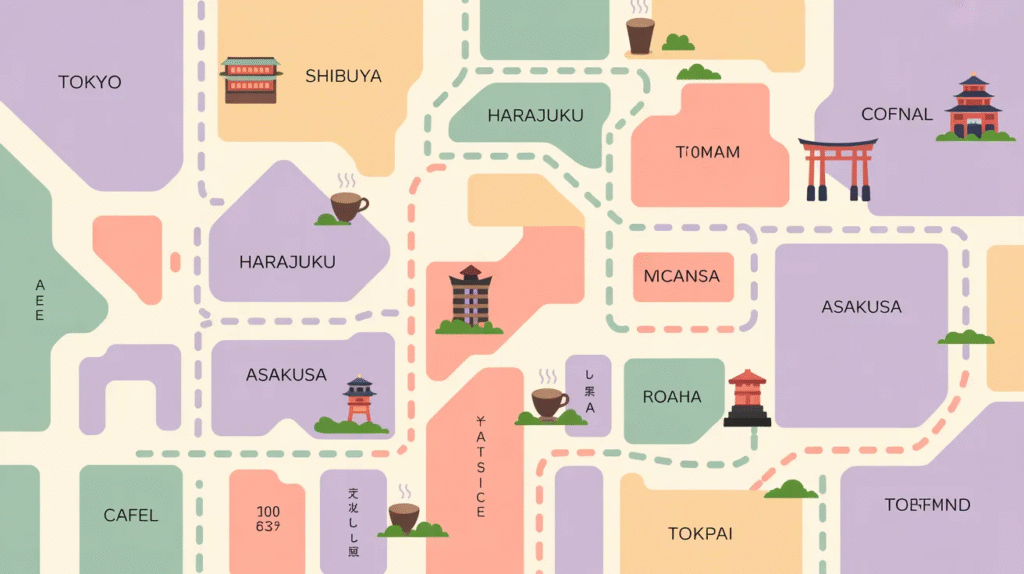
The fastest way to blow a budget in Japan is ping-ponging across the city all day. Instead, choose one “home base” area each day and build a tight loop around it. You’ll still see plenty—shrines, cafés, parks, small shops—but you’ll spend far less on repeated rides. This approach also feels calmer, which makes your photos better and your day less stressful.
Make it a game: aim for only 2–3 transit taps per day, then walk the rest. Use one scenic train ride to arrive, one short hop if needed, and one ride home. Budget travelers win by planning for pace, not speed. You’ll discover quiet alleys, local bakeries, and free viewpoints that never show up on rushed itineraries.
3) Compare Day Passes vs Pay-As-You-Go Before You Buy
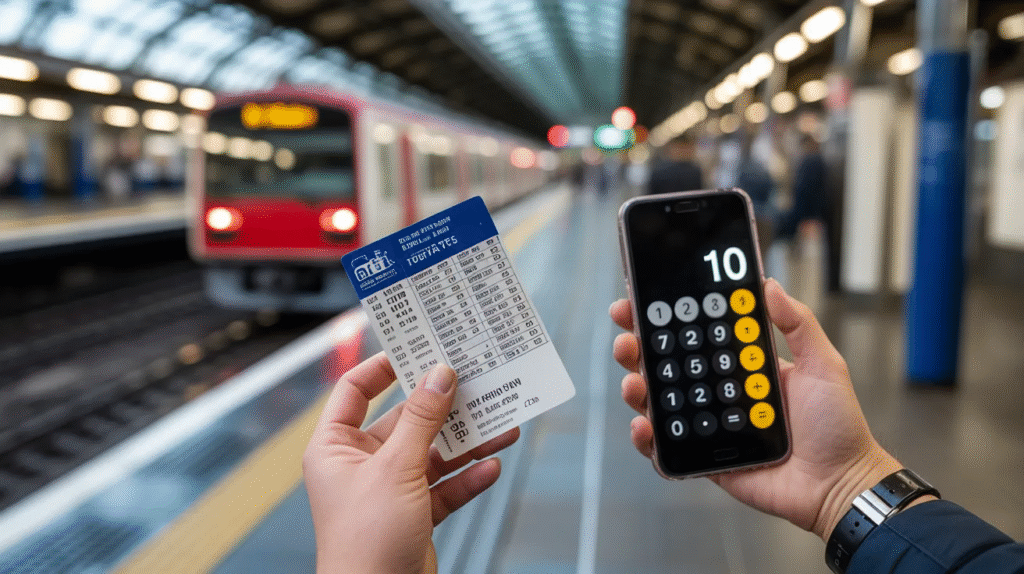
Day passes can be amazing—or a waste—depending on your route. The trick is to estimate your rides first: count your likely trips and compare the pass price to individual fares. If you’re doing lots of quick hops, a pass usually wins. If you’re staying in one area and walking, pay-as-you-go is often cheaper. This one habit prevents the classic “I bought a pass but barely used it” budget fail.
Use a simple rule: buy a pass on “museum day” or “far-neighborhood day,” skip it on “stroll + café day.” Keep your past day intentional by stacking destinations in a line instead of crisscrossing. If you’re unsure, start the day pay-as-you-go—then switch to a pass tomorrow when you know your real pace and distance style.
4) Try a 24–48 Hour Metro Pass on Heavy Transit Days
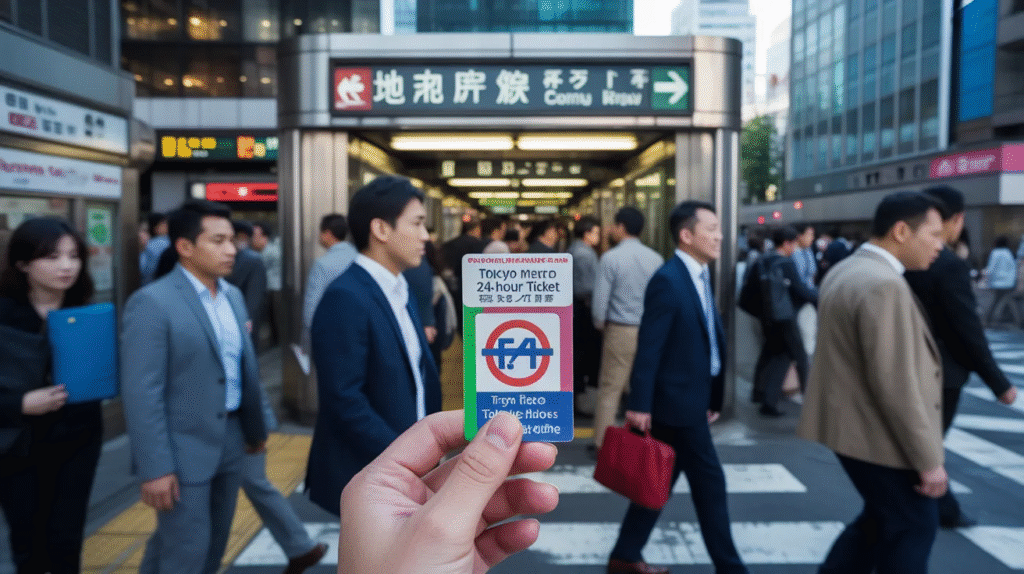
If you know you’ll be hopping around all day—markets, viewpoints, multiple neighborhoods—a timed metro pass can be a budget hero. The best part is psychological: once you’ve paid, you stop worrying about every ride and move more confidently. This works especially well in big cities where you’ll naturally take more short trips, and it makes last-minute detours feel “free,” which improves the travel experience.
Make your metro-pass day your most transit-heavy day on purpose. Stack spots that aren’t walkable together, and save the walkable neighborhoods for a different day. Start early so you get maximum value from the hours, and finish with a scenic evening stop since you won’t be avoiding one last ride due to cost. It’s a simple way to control spending while still seeing a lot.
5) Use Regional Area Passes for Classic Day Trips (Only When You’ll Actually Ride)
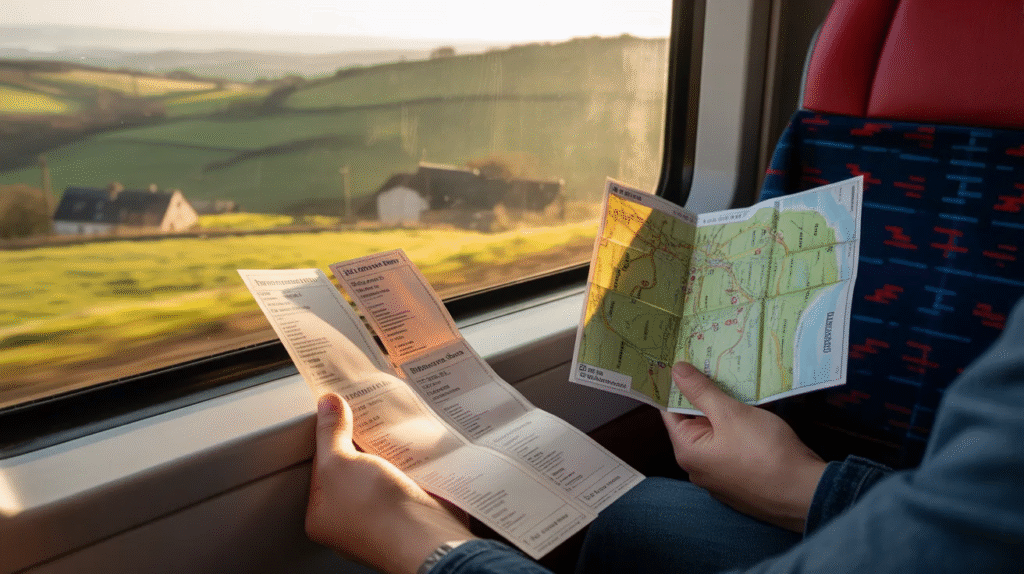
Many popular day trips have dedicated area passes that bundle trains, buses, and sometimes discounts. These can be great for places where you’ll use multiple modes in one day—think lakes, mountains, or coastal loops. The key is not buying a pass “just because it exists,” but because your itinerary requires enough rides to justify it. Budget travelers win by matching passes to movement.
Before you commit, outline your route in a simple three-step plan: how you get there, how you move around, how you return. If the pass covers all three smoothly, it’s worth considering. If you’ll only ride once each way and walk the rest, skip it. Pair regional passes with cheap meals like convenience-store breakfasts and supermarket dinners so your day trip stays affordable end-to-end.
6) Take Local Trams and City Buses in Smaller Cities
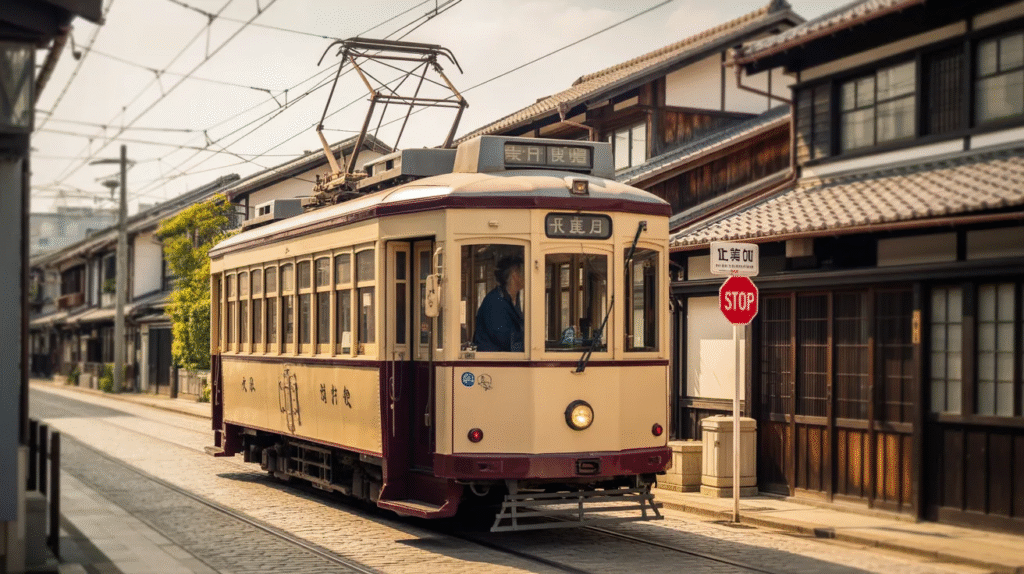
Outside the biggest hubs, trams and city buses can be cheaper and more scenic than relying on trains for every move. Cities like Hiroshima, Nagasaki, and some coastal towns are made for slower transit—short rides, simple routes, and fewer transfers. It’s budget-friendly and also more fun: you get window views, local neighborhoods, and that relaxed “I’m actually here” feeling.
Plan your day around one main transit line and walk between stops. This keeps rides minimal while still giving you a convenient backbone for distance. To stay on budget, pair your tram day with low-cost meals: grab a bakery breakfast, a set lunch, then finish with a discounted supermarket bento. You’ll feel like you experienced the city deeply without spending like a tourist.
7) Skip the Fastest Option Sometimes (Express Isn’t Always the Best Value)
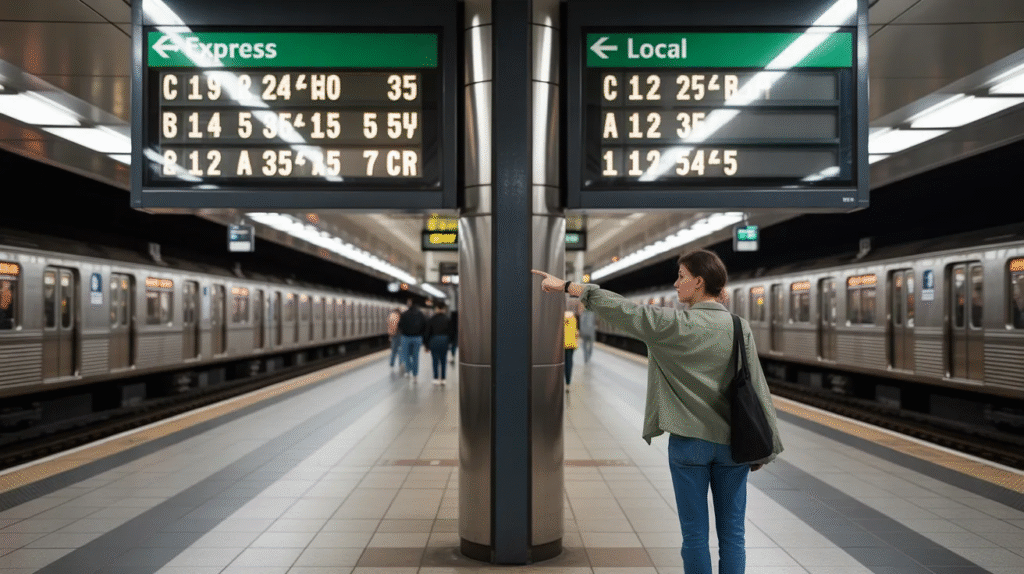
Japan makes it easy to choose speed, but speed often costs more. For many routes, the local or rapid option is only slightly slower and far cheaper—especially for medium-distance rides inside a region. If you’re not racing a tight schedule, taking the slower train can be a hidden budget win. Plus, local trains usually offer better views and a more “everyday Japan” vibe.
Use this strategy on flexible days: scenic areas, café days, or neighborhood hopping without strict reservations. Save express upgrades for the moments that truly matter, like catching a timed event or making a connection. Budget travel isn’t about being cheap—it’s about spending intentionally. When you choose the slower route, you often gain extra photo moments, local stops, and calmer pacing too.
8) Try an Overnight Bus for Long Distances (Sleep + Transport in One)

If you’re traveling between far cities, an overnight bus can replace a hotel night and a pricey ticket at the same time. It’s not luxury, but it’s a powerful budget tactic—especially if you pack comfort essentials and choose a reputable company. You arrive early, start exploring, and you’ve essentially “paid once” for both movement and sleep. That’s a big deal for tight budgets.
Make it work by keeping your arrival day light: a slow breakfast, a park stroll, and a simple sightseeing loop. Don’t schedule intense activities right away. Plan cheap meals around it too—convenience-store breakfast, a teishoku set lunch, and a supermarket dinner. Overnight buses reward travelers who value efficiency and don’t mind trading a little comfort for extra days in Japan.
9) Rent a Bike for One Day Instead of Paying for Multiple Short Rides
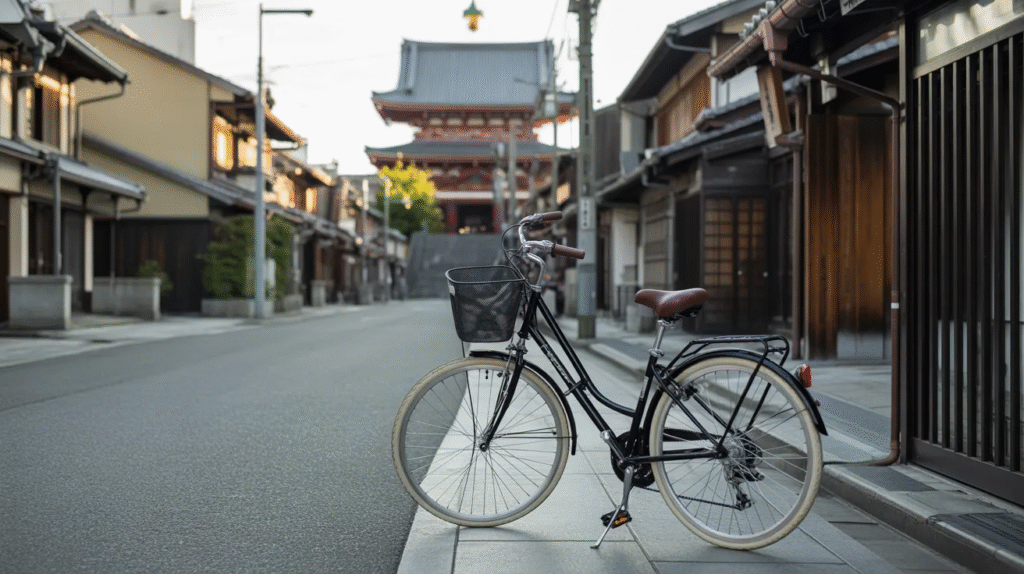
Biking is one of the most underrated budget hacks in Japan—especially in flatter cities and quiet neighborhoods. Instead of tapping transit for every short hop, rent a bike and turn your day into a loop. You’ll save money, see more detail, and stop whenever something catches your eye. It’s also perfect for “hidden gem” exploring where the best moments are between landmarks.
Pair your bike day with picnic-style meals to keep spending low. Grab onigiri, fruit, and a drink from a supermarket or convenience store, then eat in a riverside park or quiet garden. You’ll spend less than a café lunch and get a travel moment that feels intentional and scenic. This combo—bike + picnic—creates a full, photogenic day without a big bill.
10) Eat Breakfast at Convenience Stores (Yes, It’s Actually Good)
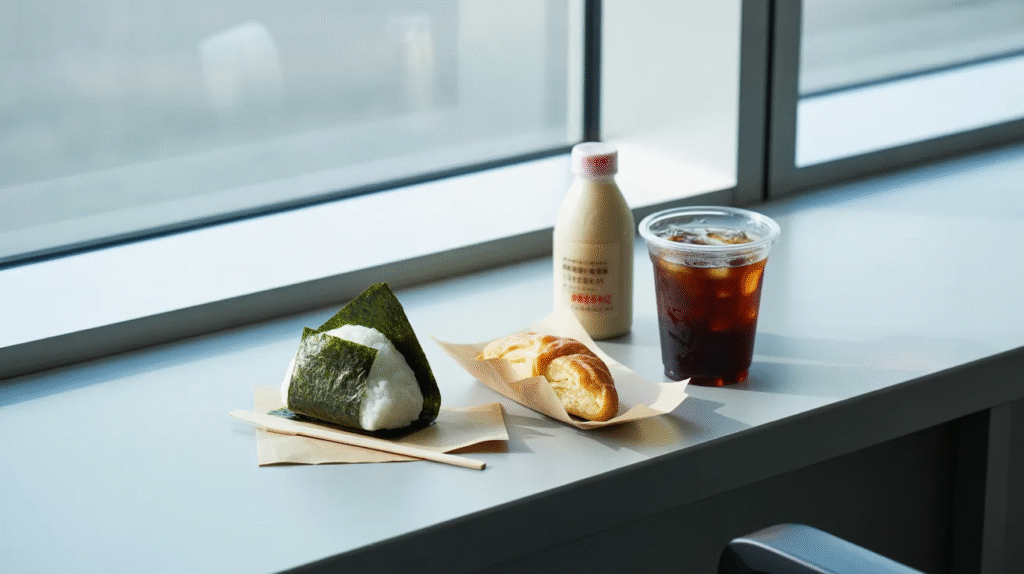
Convenience-store breakfast is the easiest budget win: it’s fast, consistent, and surprisingly tasty. Build a simple routine—one onigiri, one protein option (egg, yogurt, or tofu snack), and a coffee or tea. You’ll stay full for sightseeing without spending sit-down restaurant money first thing. It also saves time, which means you can visit popular spots earlier and avoid crowds.
Make it feel like a travel ritual, not a compromise. Try different onigiri flavors each morning, or rotate between savory buns and fruit. If you’re moving cities, convenience-store breakfast is also perfect for train days. Keep it under control by choosing “one sweet max,” then shifting spending to lunch where you can enjoy a local specialty without the pressure of overspending all day.
11) Buy Supermarket Bento After 7 PM for Markdowns
Supermarkets are where budget travelers eat well without trying. In the evening, many stores mark down prepared foods—bento, sushi packs, fried items, salads—so you can grab a full dinner for far less than a restaurant. This is especially helpful after a long sightseeing day when you want something easy but still satisfying. It’s also a great way to sample variety without ordering multiple dishes out.
Turn it into your “budget dinner plan” on expensive days like day trips or attraction-heavy routes. Pick one main bento, add a small side, and bring it back to your hotel or eat in a nearby park if allowed. It feels relaxed, and you’ll sleep better knowing you didn’t blow cash on a tired, overpriced tourist dinner near a station.
12) Try Department Store Basement Food (Depachika) Near Closing
Depachika food halls look fancy, but they can be surprisingly budget-friendly if you shop at the right time. Near closing, many counters discount prepared foods, desserts, and bakery items. You can build an amazing “taste tour” dinner—small bites, beautiful sweets, and high-quality snacks—without paying sit-down prices. It’s also a fun way to eat like you’re celebrating without overspending.
Use depachika dinners on days when you want something special but still controlled. Set a limit before you enter, then choose one savory item and one dessert instead of grabbing everything. Bring it back to your room for a cozy “Japan picnic” night. Pair it with a light transit day so you keep total spending balanced—cheap transport, elevated budget meal.
13) Go for Set Meals (Teishoku) for the Best Value Plate
Teishoku set meals are a budget traveler’s best friend because the price usually includes rice, soup, and sides—so you feel full without adding extras. It’s a simple way to avoid the “small dish trap” where you keep ordering add-ons and your bill climbs. Set meals also help picky eaters because you know what you’re getting and the flavors are balanced and approachable.
Choose teishoku for lunch when you want a reliable, filling meal that powers your afternoon. Keep dinner cheaper with supermarket bento or convenience-store options, and your day stays budget-friendly without feeling restrictive. For content ideas, highlight “one set, no regrets”: it’s comforting, consistent, and perfect after a long morning of transit and walking.
14) Eat at Gyudon and Curry Chains for Quick, Cheap, Filling Meals
Japan’s fast-casual chains are budget gold: they’re quick, filling, and available everywhere. Gyudon (beef bowl) and curry shops are especially good when you’re tired, short on time, or arriving late to a new city. You can keep your meal cost low and still eat something hot and satisfying. This helps you protect your budget for splurges like a special experience or a scenic day trip.
Use chain meals strategically: choose them on travel days, late nights, or “too tired to research food” moments. Then save your foodie energy for one planned local specialty meal. That balance keeps the trip fun and realistic. Bonus: these spots are often near stations, so you avoid paying extra transit just to chase a cheaper meal somewhere far away.
15) Find Standing Udon/Soba Shops in Stations (Cheap + Fast + Local)
Station noodle counters are one of the best low-cost meals in Japan: quick service, warm bowls, and prices that make your wallet relax. They’re perfect between trains, before an early start, or when you want a simple comfort meal without a long wait. You’ll often see locals eating quickly—always a good sign for value and efficiency.
Make it a routine on transit-heavy days. Grab noodles, refill your water, and you’re ready for the next neighborhood. For Pinterest-style content, frame it as “smart station stops”: eat where you already are instead of spending extra time and money searching. Pair station noodles with a day pass or a tight walking loop, and you’ll feel like a pro at keeping Japan affordable.
16) Choose Lunch Specials Over Dinner (Same Food, Better Price)
Many restaurants offer better value at lunch—set menus, smaller but satisfying portions, and lower prices than dinner. If you’re budgeting, flip the usual habit: make lunch your nicer meal and keep dinner simple. You’ll still try the foods you came for, but you’ll spend less overall. It also fits travel pacing well because lunch is when you’re already out exploring.
Plan one “featured lunch” each day—ramen, sushi, tempura, or a local specialty—then do a budget dinner like supermarket bento or convenience-store favorites. This approach keeps daily spending predictable and reduces the temptation to splurge at night when you’re tired and less careful. It’s the easiest way to enjoy Japan’s food scene without restaurant bills stacking up.
17) Do a Cheap “Snack Crawl” Instead of One Big Restaurant Meal
A snack crawl is a budget-friendly way to try more flavors without committing to an expensive sit-down meal. Pick 3–4 small items across a neighborhood—one savory, one sweet, one drink, and one surprise. You’ll get variety, keep costs controlled, and create a fun travel story that feels very Pinterest-friendly. It also pairs perfectly with walking routes, which naturally reduce transit spending.
Make it intentional: set a snack budget before you start, and stop when you hit it. Choose areas known for easy street food and markets so you’re not paying premium prices. If you still need something filling later, grab a discounted supermarket bento or a simple noodle bowl. You’ll eat well, spend less, and end the day with lots of photo moments.
18) Carry a Refillable Bottle and Use Free Water/Tea When Offered
I
Drinks quietly destroy budgets—especially if you buy something every time you stop. Carry a refillable bottle, refill whenever you can, and accept free tea or water at restaurants. You’ll still enjoy fun drinks when you want, but you won’t auto-spend all day. This single habit can free up money for what actually matters: a scenic ride, a special snack, or a unique experience.
Use vending machines strategically instead of constantly. Buy one drink when you truly want it, not because it’s there. Pair this with convenience-store breakfasts and supermarket dinners and your daily costs drop fast. Budget travel in Japan is often about tiny choices repeated—drinks, extra rides, impulse sweets. Control the small stuff, and the big parts of the trip become easier to afford.
19) Shop at 100-Yen Stores for Snacks and Picnic Supplies
100-yen stores are perfect for budget travelers because you can stock up on snack packs, small groceries, and picnic essentials without paying convenience-store markups. Grab napkins, reusable utensils, instant soup, or even a small container for leftovers. It’s a practical way to reduce daily spending while staying comfortable—especially if you’re doing day trips and don’t want to buy expensive food on the go.
Turn it into a travel routine: buy picnic supplies once, then use supermarkets for your actual meals. You’ll be able to eat anywhere—parks, river walks, quiet gardens—without hunting for restaurants. This also pairs beautifully with “walk more, ride less” days. A picnic route is inherently budget-friendly, and it gives you a calm, scenic break that feels like a real travel moment.
20) Use Food Courts and Station Dining Floors for Reliable Value
Food courts and station dining floors are underrated for budget travel because they offer lots of options in one place, often at fair prices. You can compare menus quickly, pick what fits your budget, and avoid the tourist-premium streets right outside major attractions. It’s also perfect for groups: everyone can choose a different meal without the stress of finding one restaurant that satisfies all tastes.
Use these spots on travel days when you’re already near stations and want something quick but warm. Keep the budget tight by ordering one main dish and skipping extra sides or desserts—then treat yourself to a small sweet from a convenience store later. This strategy saves money, time, and decision fatigue, which makes your whole Japan itinerary feel smoother.
21) Split Meals or Share Plates When You Can (More Variety, Lower Cost)
If you’re traveling with someone, sharing is a budget superpower. Split a larger dish and add one small side so you can taste more without doubling the bill. This works especially well for foods like okonomiyaki, gyoza, yakitori, and noodle shops with add-ons. You’ll spend less, waste less, and still feel like you tried “everything.” Plus, it creates a fun, social travel moment.
Make it a rule: one shared main + one shared side, then decide if you truly need more. If you’re still hungry, add a cheap dessert from a supermarket or convenience store on the way back. Sharing also helps you avoid over-ordering when menus are unfamiliar. It’s a simple habit that protects your budget while making your food experience more interesting.
22) Choose Budget-Friendly Neighborhoods to Stay in (Transit Savings Add Up)
Where you sleep affects your daily costs more than people realize. Staying slightly outside the most touristy zones can drop hotel prices and still keep you connected—especially if you pick a neighborhood with direct lines to major areas. The goal is not “far away,” but “well-connected.” When your base is efficient, you spend less on taxis, fewer emergency rides, and less time making complicated transfers.
Plan your lodging around your itinerary: choose a hub near the places you’ll visit most. Then cluster sightseeing by direction so you’re not paying to cross the city repeatedly. Pair this with a routine of cheap breakfasts and discounted dinners and your daily spend becomes predictable. Smart bases create budget breathing room for day trips, shopping, or one special splurge meal.
23) Use “Museum + Park” Days to Balance Paid Activities and Spending
A budget-friendly Japan day doesn’t need to be packed with paid attractions. Mix one paid activity (museum, viewpoint, garden) with free or low-cost wandering (parks, riversides, quiet streets). This keeps your day interesting without stacking entry fees and extra transit. It also naturally builds in more walking, which reduces rides. Balanced days feel richer because you’re not rushing from ticket to ticket.
Tie your meals to the same balance: do a better-value lunch special near your paid activity, then keep dinner simple with a supermarket bento or station noodles. This approach makes your budget last longer without feeling like you’re “missing out.” You’ll still experience the culture—just with smarter pacing and fewer expensive choices squeezed into one day.
24) Plan One “Pass Day” and One “Walking Day” Each City
A simple rhythm keeps your budget under control: alternate a high-movement day (buy a pass, ride more) with a low-movement day (walk, explore one area). On the past day, you hit far neighborhoods, big viewpoints, and anything spread out. On the walking day, you stay local, shop slowly, photograph quiet streets, and take your time. This prevents both overspending and burnout.
Match your food plan to the rhythm too. On pass days, do quick, cheap meals—station noodles, gyudon, convenience-store breakfast—so you can focus on transit value. On walking days, enjoy one nicer lunch special, then bring it back down with a supermarket dinner. This “high/low” structure feels intentional and makes budgeting almost automatic.
25) Keep a Daily “Japan Budget Trio”: Transit Cap + One Paid Meal + One Cheap Meal
If you want Japan to stay affordable without constant math, use a daily trio system. First, set a transit cap (pass day or limited taps). Second, choose one meal you’re excited about (usually lunch special or local favorite). Third, plan one cheap meal (supermarket bento, station noodles, or convenience-store routine). This keeps your spending controlled while still letting you enjoy the trip like a normal traveler.
The trio also reduces decision fatigue, which is where budgets usually break. When you already know “one planned meal + one easy meal,” you won’t panic-buy expensive food near tourist hotspots. Combine this with walking clusters and occasional pass days, and you’ll travel longer, eat well, and feel relaxed. Budget travel in Japan works best when it’s structured but still fun.
Conclusion :
Exploring Japan on a budget is entirely possible with smart planning and local know-how. By using transit passes, seeking affordable meals, and choosing budget-friendly accommodations, you can experience the best of the country without overspending. This guide provides practical tips to help you stretch your budget while still enjoying cultural experiences, sightseeing, and delicious cuisine. Following these strategies ensures a smooth, memorable, and affordable trip to Japan, letting you focus on adventure and discovery.
