

Japan Packing List Checklist for Seasons, Transit, and Day Bags to Try!
1) Carry-On Essentials for Japan Transit Days
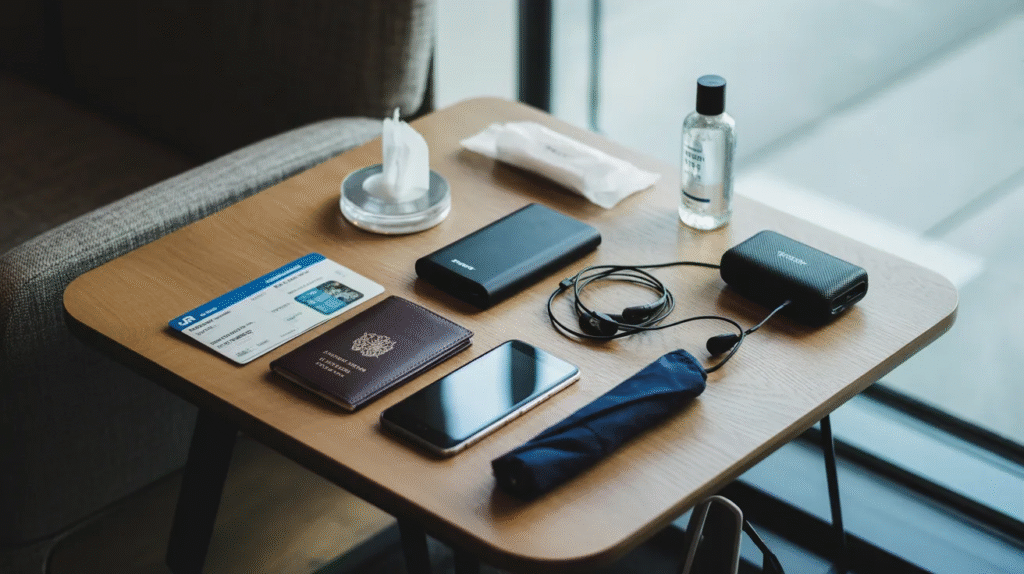
Japan travel days feel smoother when your “grab-fast” items are always within reach. Keep your passport, card cash mix, and a transit IC card in the same pocket every time. Add tissues and a tiny trash bag because bins can be rare in public areas. A slim power bank and charging cable help during long train rides, station transfers, and map checks.
Pack one lightweight tote that folds small, then becomes your “platform bag” for snacks, water, and layers. Include lip balm, hand cream, and a mini deodorant wipe for comfort between stops. If you’re moving cities, keep one outfit and your toiletries in your carry-on so you can refresh quickly. The goal is quick access without digging through your main luggage.
2) Spring Packing List (March–May) Layers That Actually Work
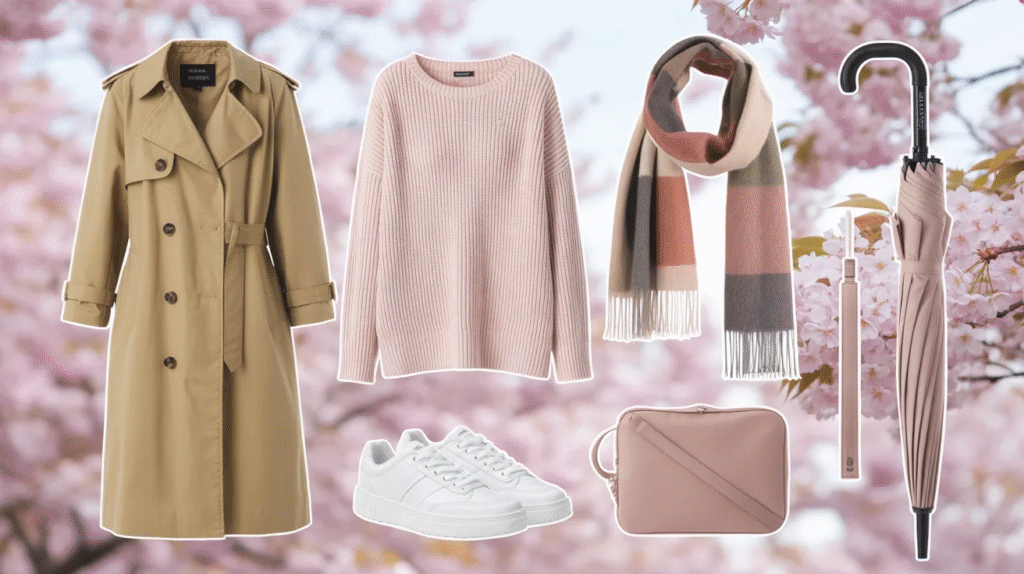
Spring in Japan changes fast—mornings can feel cool, afternoons can warm up, and evenings drop again. Bring a light jacket (trench or packable) plus one warmer mid-layer like a cardigan. Choose breathable basics you can re-wear: long-sleeve tees, a thin knit, and comfortable pants. If you plan parks and gardens, sneakers with good cushioning are a must.
Add rain planning even if the forecast looks fine. A compact umbrella or hooded shell saves outfits from surprise drizzle. Pack socks that dry quickly and a small shoe deodorizer sheet for long walking days. A scarf is a tiny item that adds warmth on trains and looks polished in photos. Spring is about flexible layers, not bulky sweaters.
3) Summer Packing List (June–August) Humidity-Proof Outfit Plan
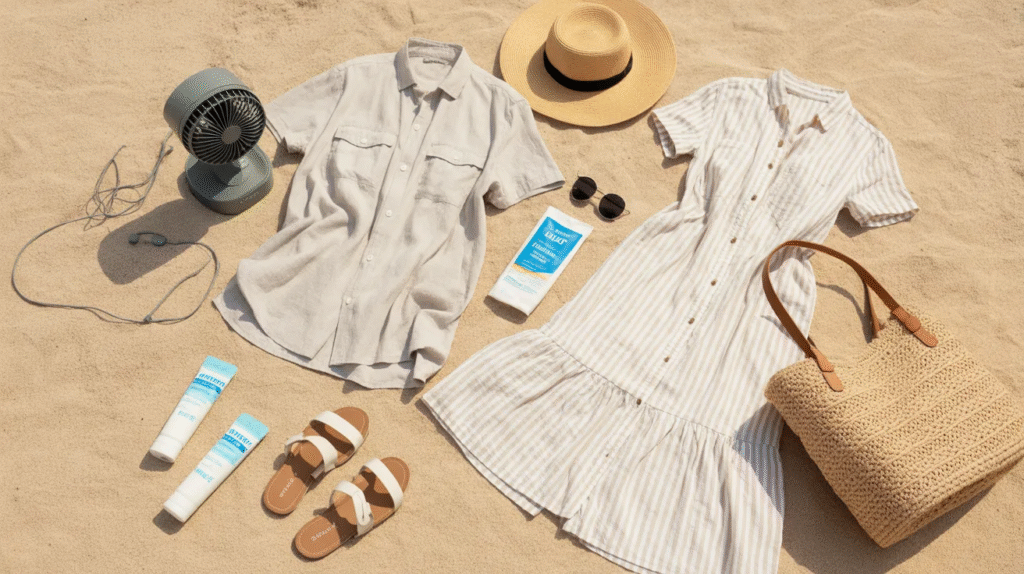
Japan summers can be hot and humid, so your packing should focus on breathable fabrics and quick dry pieces. Bring linen or cotton tops, loose shorts or skirts, and one lightweight dress you can dress up for dinners. Add a UV hat and sunglasses because shade isn’t guaranteed during long city walks. Comfortable sandals are great, but keep sneakers too for stations and day trips.
Humidity comfort items matter: a small portable fan, sweat wipes, and a travel-size sunscreen you’ll actually reapply. Pack deodorant wipes and body powder sheets if you like feeling fresh. Choose a day bag with airflow—crossbody or small backpack—and keep a hand towel for quick face and hand drying. Summer is easier when you pack fewer clothes but smarter accessories.
4) Autumn Packing List (September–November) Cozy Without Overpacking
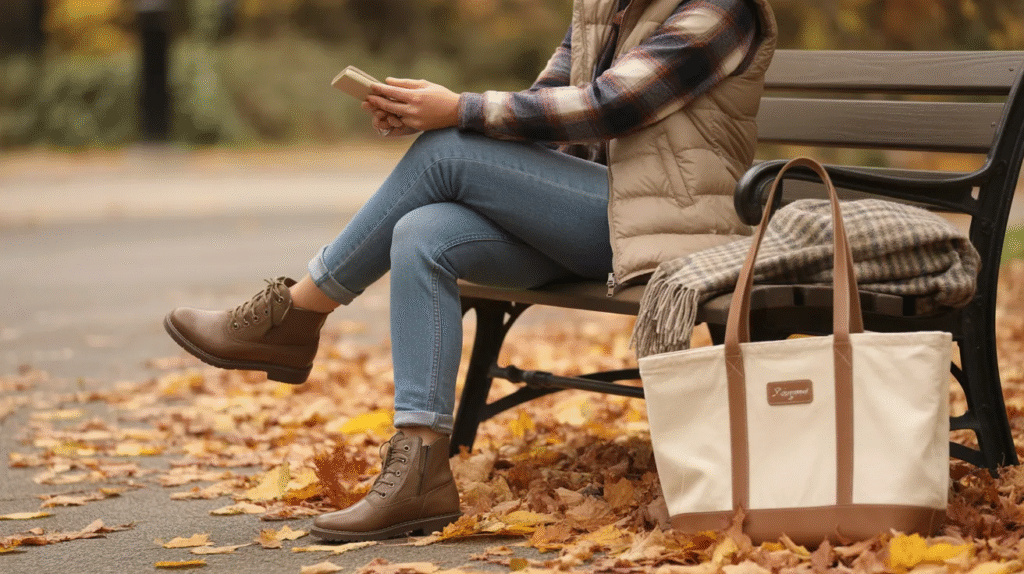
Autumn is one of the easiest seasons to dress for in Japan, but the secret is layering. Bring a light jacket plus one warmer option like a thin puffer for late fall evenings. Add long-sleeve shirts and one cozy knit that pairs with jeans or trousers. If you’re visiting mountain towns or doing foliage hikes, include thicker socks and shoes that handle uneven paths.
Autumn is also photo season, so pack a color palette that looks cohesive—neutrals with one accent shade. A scarf or beanie takes almost no space but adds warmth for early mornings. Include a compact umbrella because rain still happens, and wet leaves can make streets slick. With two outer layers and a few mix-and-match basics, you’ll stay warm without a heavy suitcase.
5) Winter Packing List (December–February) Warmth for Cities + Snow Trips
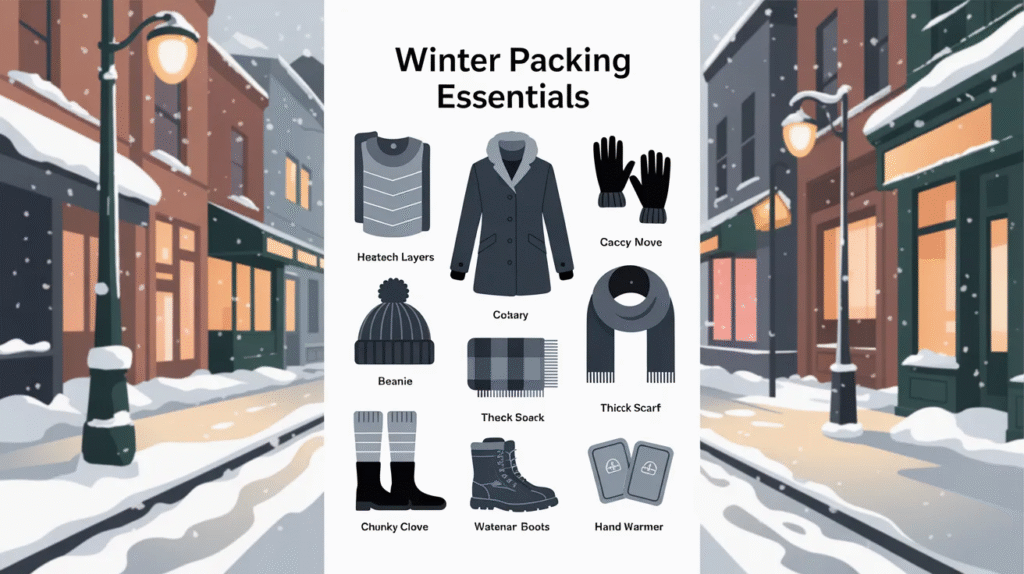
Winter in Japan varies by region: Tokyo can be crisp and dry, while northern areas and mountain towns can be snowy. Pack thermal base layers that fit under everyday outfits, plus a warm coat that blocks wind. Add gloves, a beanie, and a scarf—small items that make outdoor exploring comfortable. If you’re heading to snowy areas, choose waterproof shoes with traction and thicker socks.
Dry air is common, so bring lip balm, rich moisturizer, and a small hand cream. Heat packs (kairo) are easy to buy in Japan, but you can pack a few if you love them. Keep one warm outfit accessible in your carry-on for late arrivals. Winter packing is about smart layers and accessories that keep you warm without needing huge sweaters.
6) Shoes Checklist: The 3-Pair Rule for Japan Walking
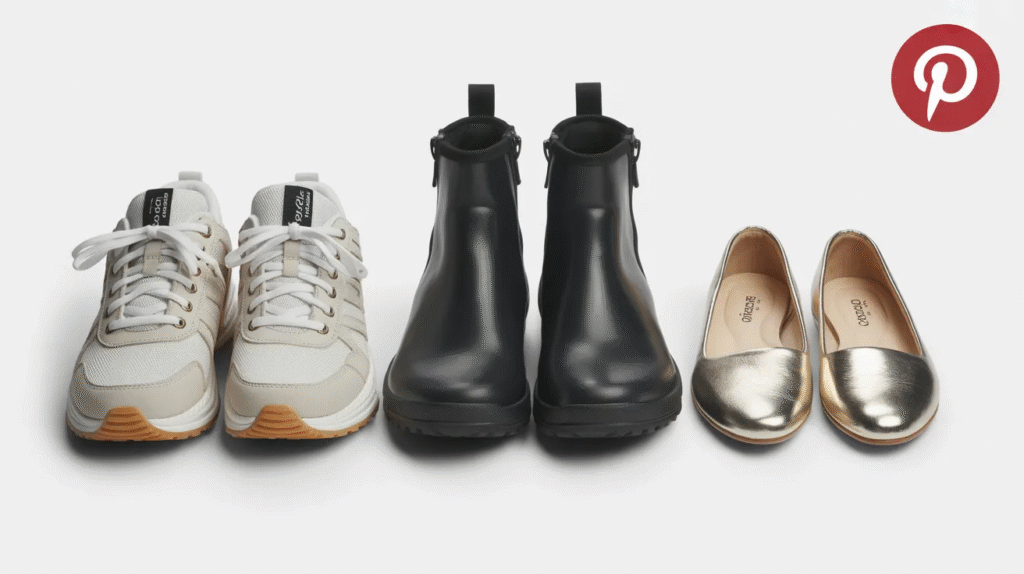
Japan trips usually mean big step counts—stations, neighborhoods, shrines, and markets add up fast. The easiest plan is three pairs max: primary walking sneakers, a weather-proof option, and one nicer pair for dinners. Sneakers should be broken in and supportive because you’ll stand on platforms, climb stairs, and walk long blocks without noticing until you’re tired.
If you travel during the rainy season or winter, water resistance matters. A lightweight waterproof boot or treated sneaker keeps socks dry and prevents blisters. Pack blister patches and a tiny shoe deodorizer because shoes can get warm on long days. If you want to keep it minimal, pick sneakers that look sleek enough for restaurants so you don’t feel like you need an extra dress shoe.
7) Train + Station Comfort Kit (Shinkansen Ready)
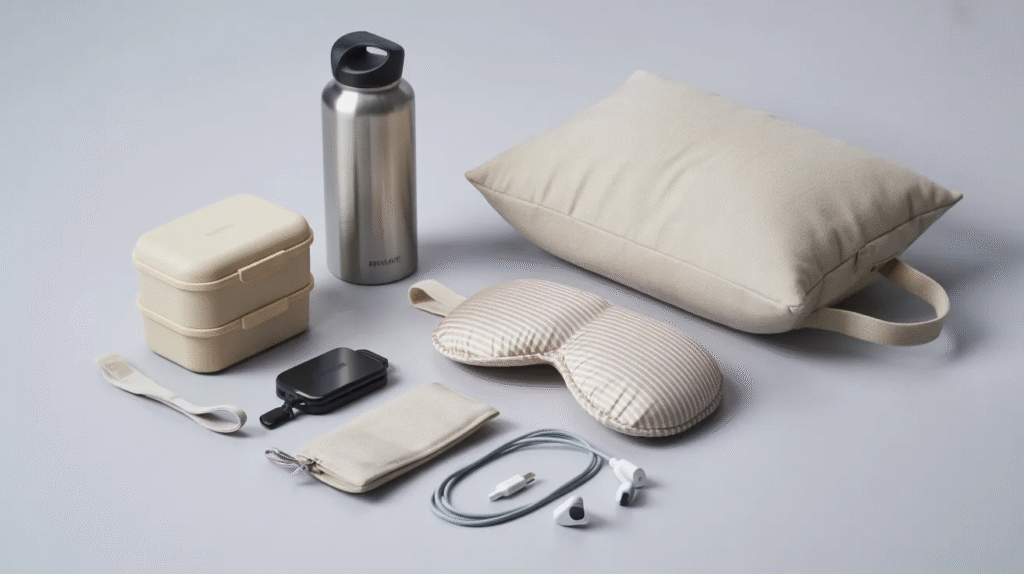
Long train rides are a highlight, but comfort makes them even better. Pack a small kit with an eye mask, earplugs, and a neck scarf or compact pillow. Add a charging cable and power bank so your maps and tickets don’t become stressful. Keep snacks in a zip pouch because it’s neat, quiet, and easy to reach from your seat without digging around.
Bring a reusable bottle and refill often, especially in summer. A tiny wet wipe pack helps after station food and keeps hands fresh. If you’re carrying luggage, use a small carabiner to clip a bag to your suitcase handle for easy transfers. Your goal is a “seat-ready” pouch that moves from backpack to tote to carry-on without repacking every time.
8) Day Bag Checklist: Crossbody vs Small Backpack
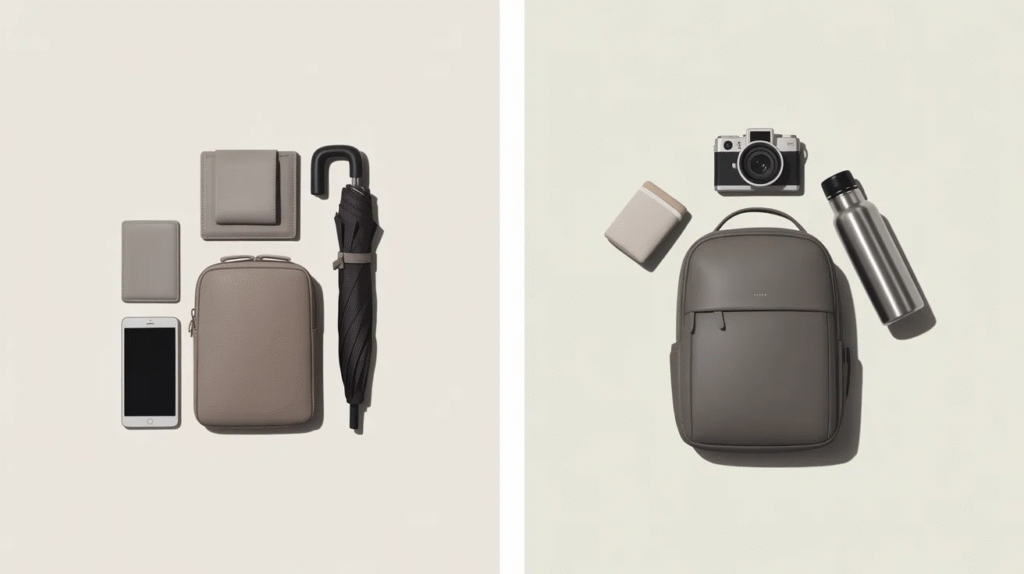
For Japan, your day bag matters because you’ll use it nonstop. A crossbody is great for busy streets, quick payments, and markets because everything is accessible and close to your body. A small backpack is better for all-day exploring when you carry water, a jacket, and shopping. Choose the option that matches your routine: city wandering and cafés or longer day trips and train rides.
Whichever you choose, add a small inner pouch for tickets, coins, and receipts. Keep a tiny trash bag, hand towel, and tissues—those three items save you constantly. If you’re bringing a camera, make sure the strap is comfortable and the bag has a secure zipper. The best day bag feels light, looks cute in photos, and doesn’t slow you down in stations.
9) Tech + Adapter Checklist for Japan (No Dead Phone Days)
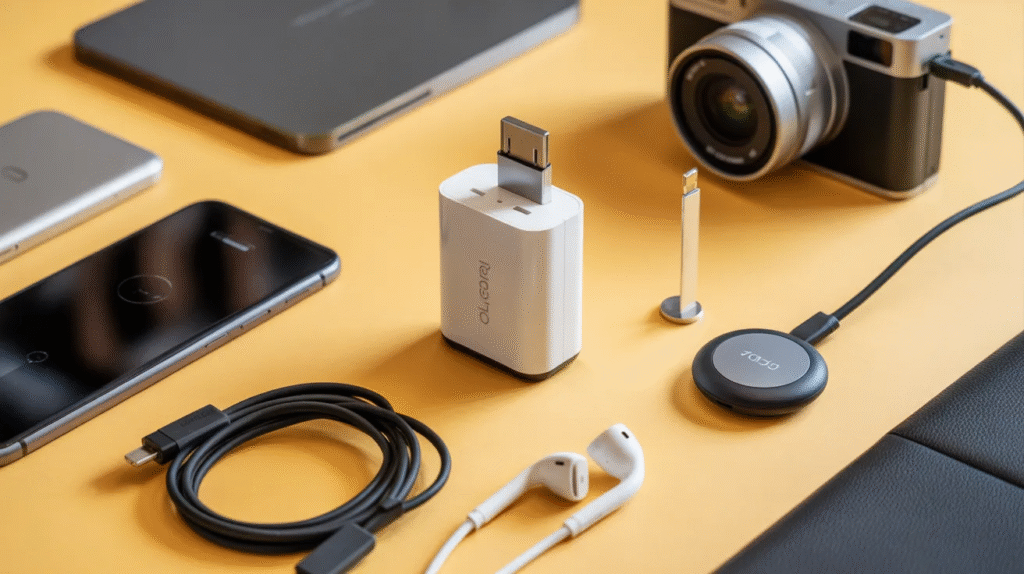
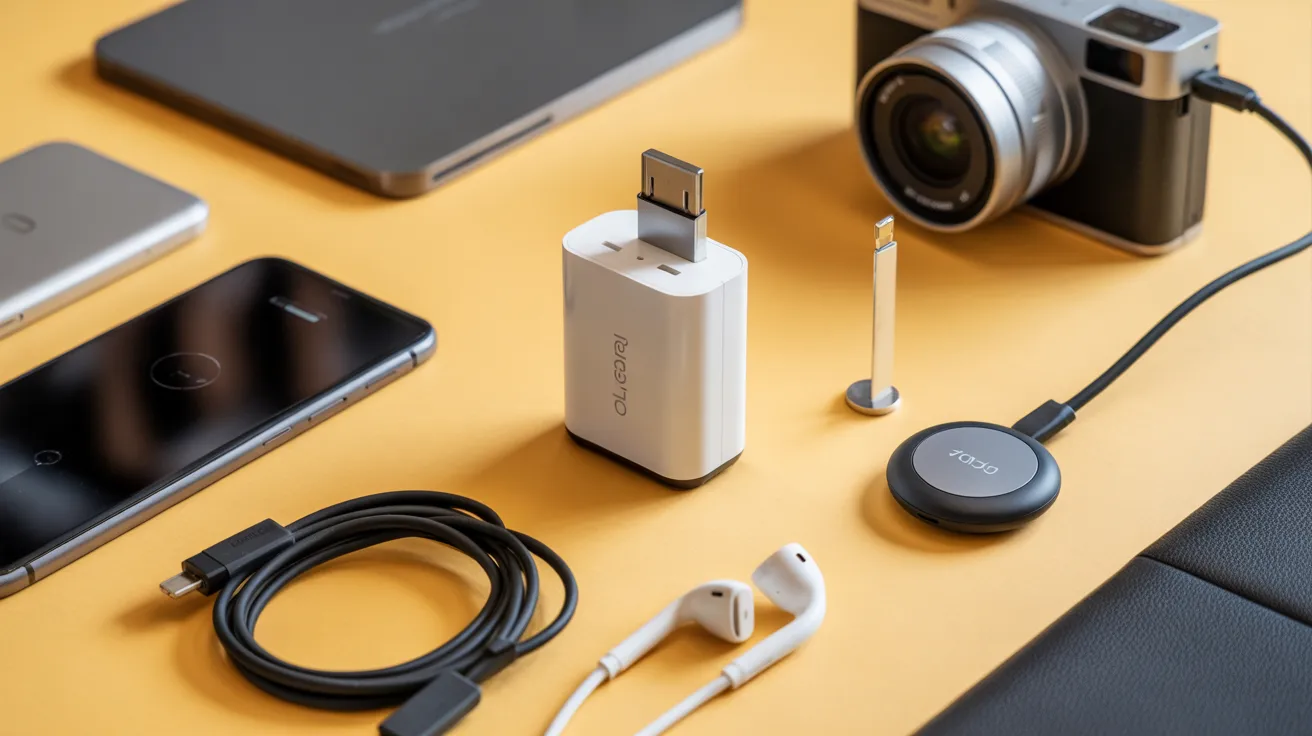
Your phone becomes your map, translator, ticket helper, and restaurant finder in Japan—so keeping it charged is non-negotiable. Pack a power bank that can handle a full day and a cable that’s not frayed. Bring a compact adapter and consider a multi-port charger if you’re charging multiple devices at night. If you use a camera, include spare memory and a small case to keep items organized.
For peace of mind, add a luggage tracker and label your suitcase and day bag. Download offline maps and key apps before you fly, then keep a screenshot of hotel addresses in Japanese for quick taxi or station help. A tiny tech pouch keeps cables from tangling and saves time when you’re moving cities. Simple tech planning prevents travel-day stress.
10) Toiletries Checklist That Matches Japan Convenience Stores
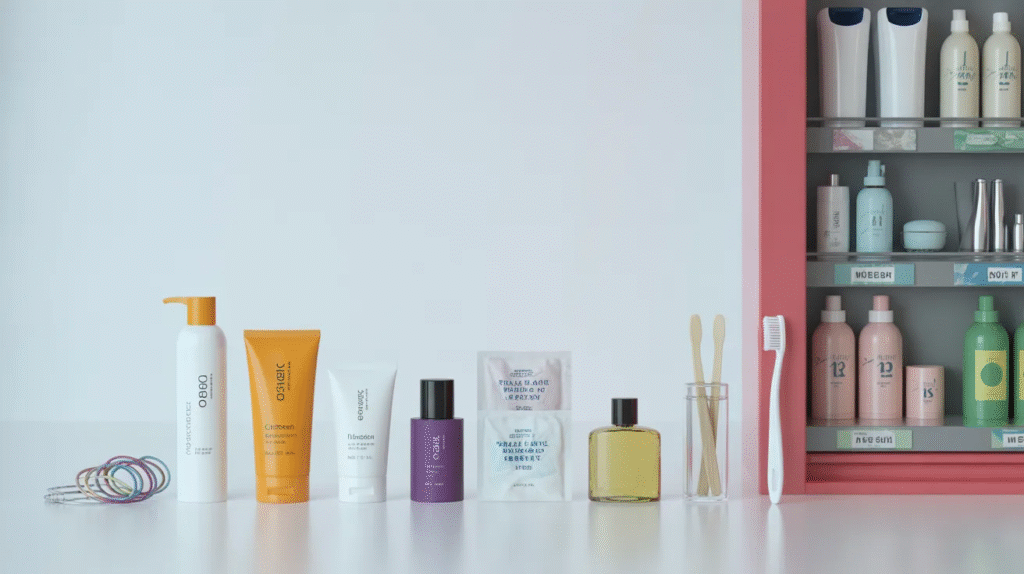
Japan has amazing convenience stores and drugstores, so you can pack lighter than you think. Bring only your must-have skincare basics and anything specific you love, like your favorite sunscreen or sensitive-skin products. For everything else, plan to buy locally—shampoo, toothpaste, and face masks are easy to find. This approach saves luggage space and makes your bag easier to carry on station stairs.
Include comfort items like blister patches, band-aids, and a small pain reliever pack (if you use them). Add a few individual wipes for hands and surfaces during transit days. If you wear contacts, bring a backup pair. Keep liquids in one pouch for quick airport checks. The goal is “enough to start,” not a full bathroom in your suitcase.
11) Onsen + Ryokan Packing Mini-Checklist
If your trip includes an onsen town or a ryokan stay, pack a few small items that make it extra relaxing. Bring a simple skincare set for after bathing because hot water can dry skin. A hair clip or tie keeps things tidy, and a small pouch is handy for carrying essentials around the property. Many places provide towels and amenities, but having your favorites makes it feel more comfortable.
Pack socks that slip on easily and a comfy layer for cool evenings. If you’re shy about walking around, a light lounge set is nice for your room. Consider a small notebook for trip notes or journaling—onsen nights are calm and perfect for that. Keep it minimal and focus on comfort, because ryokan time is slow, cozy, and restful.
12) Shopping + Souvenir Space Strategy (Don’t Break Your Bag)
Shopping in Japan is fun—snacks, skincare, stationery, and little gifts add up quickly. Plan for it by packing a foldable duffel or leaving space in your suitcase from day one. Use packing cubes so your clothes stay compressed and you can dedicate one cube to souvenirs. If you’re buying fragile items, pack a soft scarf or extra socks to cushion them in your luggage.
Bring a reusable tote for daily shopping and a small zip bag for receipts. Keep heavier items low in the suitcase for balance, and avoid overstuffing because zippers break at the worst time. If you’re moving cities, ship a box from Japan (common and reliable) or keep purchases for your final days. A simple shopping plan keeps your trip stress-free.
13) Rainy Day Checklist (Umbrella Culture-Friendly)
Rain happens, and Japan is very umbrella-friendly—so plan for it without packing heavy gear. A compact umbrella is the easiest win, and a light waterproof jacket helps when wind makes umbrellas annoying. Choose pants that dry quickly and avoid shoes that soak easily. Add an extra pair of socks in your day bag so you can reset if you get caught in a downpour.
Pack a small hand towel because it’s useful for drying hands, wiping rain off bag straps, and staying comfortable. If your bag isn’t water resistant, use a simple rain cover or even a plastic bag liner. Rainy days can still be beautiful for photos and cafés—your checklist just makes it comfortable instead of messy.
14) Universal Capsule Outfit Checklist (Mix-and-Match Japan Style)
A capsule wardrobe is perfect for Japan because it keeps your suitcase light and your outfits consistent in photos. Build around a neutral palette: two bottoms, four tops, and one layer that matches everything. Add one slightly dressy piece for nicer restaurants or evening views. Stick to fabrics that don’t wrinkle easily and pieces you can re-wear with different combinations.
Pack one “photo-friendly” layer like a trench, cardigan, or scarf that instantly elevates outfits. Comfortable shoes matter more than extra clothes. If you’re unsure, choose items you’d wear at home—travel isn’t the time for stiff, fussy outfits. With a capsule, you’ll spend less time deciding what to wear and more time enjoying the streets, food, and views.
15) Mini Pharmacy Checklist (Travel Comfort Without Overpacking)
A small pharmacy pouch can save a day, especially with long walks and new foods. Pack blister patches, a few bandages, and any personal basics like allergy tablets or motion sickness support (if you use them). Include a tiny packet of electrolyte powder for hot days or travel fatigue. Keep everything in one slim pouch so you can find it quickly in your day bag.
Don’t pack a full medicine cabinet—just essentials that help you keep moving comfortably. Add a few safety pins and a mini stain remover wipe for emergency outfit fixes. If you have prescriptions, carry them in original packaging and keep them in your carry-on. This checklist is about peace of mind and quick fixes, not heavy supplies.
16) Hotel + Laundry Strategy Checklist (Pack Less, Wash Smart)
If you want to pack lighter, plan around laundry. Many Japanese hotels have coin laundry, and detergent is easy to buy. Bring a few detergent sheets or a tiny bottle so you can wash the basics anytime. Pack quick-dry underwear and socks, plus one lightweight top that dries overnight. This reduces how many clothes you need and makes moving cities easier.
Carry a small laundry bag so clean and worn items don’t mix. If you do sink washing, a travel clothesline or a couple of clips helps drying. Plan your laundry on a slower evening so you don’t waste sightseeing time. With a simple routine, you can pack fewer outfits and still feel fresh every day.
17) Kyoto + Temple Day Checklist (Respectful + Practical)
Temple and shrine days are often long walking days with stairs, gravel paths, and lots of photo stops. Choose comfortable shoes and an outfit that feels respectful and easy to move in. Bring a light scarf or layer for changing temperatures and for modest coverage if needed. A small day bag with water, tissues, and sunscreen keeps you comfortable without feeling bulky.
Add a coin pouch because small offerings and vending machines often use coins. Carry a small towel for sweat in summer and hand drying after washing at shrine basins. If you’re visiting multiple spots, keep snacks on hand so you don’t get tired between neighborhoods. Temple days are calmer when your bag is light and your outfit is practical.
18) Tokyo City Day Checklist (Shopping Streets + Subway)
Tokyo days can include a lot of subway hopping, shopping streets, and quick food stops. Keep your essentials easy to reach: IC card, phone, and a small wallet with coins. Choose a crossbody with a secure zipper so you can move through crowds comfortably. Add a foldable tote for shopping because you’ll likely buy something even when you swear you won’t.
Bring a light layer for air-conditioned stores and trains, especially in summer. Pack a compact umbrella just in case, and a small snack so you don’t get “hungry stressed” while navigating stations. Tokyo is fun when you feel organized—one small pouch for essentials and one extra tote for everything you pick up.
19) Day Trip Checklist (Nara, Nikko, Hakone, Kamakura Style)
Day trips are where your checklist really pays off because you’re away from your hotel base. Pack a light layer, water, and a snack or bento so you’re not rushing to find food immediately. Bring a small power bank and keep your return train plan handy—screenshots help when the signal is weak. Comfortable shoes are essential because day trips often include hills, temples, or long seaside walks.
If you’re going somewhere with weather changes, add a compact umbrella or shell. Keep a small coin pouch for entry fees and vending machines. If you’re bringing a camera, pack only what you’ll use so your bag stays light. A day trip should feel easy—your bag should support you, not slow you down.
20) Food + Cafe Comfort Checklist (Japan Snacks Ready)
Japan food stops are constant—conbini snacks, markets, cafés, and dessert breaks. Pack a few simple items that make eating on the go easier: hand wipes, tissues, and a small zip pouch for wrappers. Carry a reusable bottle so you’re not always buying drinks, and add a tiny snack to avoid “hangry” moments during long station transfers or attraction lines.
If you like café hopping, keep lip balm and a mini mirror for quick touch-ups. Bring a small tote for bakery finds or souvenir snacks. A compact utensil set is optional, but napkins and wipes are a must. This checklist keeps your day bag clean, your hands comfortable, and your travel pace smooth.
21) Nighttime + Safety Checklist (Simple, Smart, Low Stress)
Japan is generally very safe, but a simple night checklist keeps everything calm—especially if you’re out late for food, streets or night views. Carry a little emergency cash, your hotel details, and a fully charged phone. Keep your transit card topped up so you’re not stuck at a machine when you’re tired. A small power bank helps if your battery drains from photos and navigation.
Choose a bag that closes securely and keep valuables in one consistent place. If you’re traveling solo, share your plan with someone and keep your hotel address screenshot in Japanese. Bring a tiny flashlight or phone light shortcut for darker streets. This is less about fear and more about making nights smooth and confident.
22) Printable “Last Check” Checklist (Before You Leave the Hotel)
Before you walk out the door, run a quick last-check routine so you don’t waste time backtracking. Confirm: phone, wallet, IC card, and keys. Add weather items like umbrella or sunglasses based on the day. Then check comfort basics—tissues, a small towel, and water—because those are the items you’ll miss most if you forget them.
Keep this checklist in your notes app or print it as a mini card in your bag. It’s especially helpful on days you’re switching hotels or catching early trains. A quick routine saves time, keeps you calm, and makes travel feel effortless. Once you build the habit, you’ll start each day organized and ready for anything.
