

Deciding between bi-fold vs French doors vs pocket doors for small pantry closets is a common challenge for homeowners trying to maximize utility in tight kitchen spaces. Each style offers distinct advantages regarding floor area, ease of access, and aesthetic appeal, but they perform differently depending on your specific wall layout. Choosing the wrong mechanism can leave your pantry feeling inaccessible or clutter your kitchen floor.
This article provides a clear breakdown of how these three door types function, their installation requirements, and which one truly fits your home. You will learn the trade-offs involved so you can confidently select the best option for your renovation project.
The Verdict: Which Door Type Wins for Small Pantries?
If you need a direct answer, the pocket door is the superior choice for extremely limited floor space because it disappears entirely into the wall. However, if your wall structure cannot accommodate a sliding track inside the framing, bi-fold doors are the most practical, budget-friendly alternative.
French doors offer the most elegant look and provide full visibility into the pantry, but they require significant clearance space in front of the unit. For most standard kitchen pantry closets, bi-fold doors remain the industry standard due to their balance of cost, ease of installation, and minimal operational footprint.
Understanding the Pocket Door Mechanism
Pocket doors operate by sliding horizontally into a recessed cavity within the wall frame. This design eliminates the need for any “swing” space, making them ideal for high-traffic kitchens where an opening door would block a walkway. Because the door is hidden when open, it creates a clean, built-in look that blends perfectly with modern cabinetry.
Installing a pocket door is more labor-intensive than other options because you must modify the wall structure. You need a clear section of wall space beside the opening that is free of plumbing, electrical wiring, or structural studs.
If you are retrofitting an existing pantry, the cost and effort of opening up the drywall might outweigh the benefits. However, for new construction or major remodels, they offer the highest level of space efficiency.
Why Bi-Fold Doors Remain Popular
Bi-fold doors consist of two or more panels hinged together that fold back on themselves along a top track. They are highly popular for small pantry closets because they only require about half the clearance space of a traditional swinging door. You can find them in various materials, including wood, hollow-core composite, and even louvered styles for ventilation.
The primary benefit of using bi-fold doors is their simplicity of installation. Most hardware kits are designed for standard openings, allowing a DIY homeowner to install them in an afternoon.
They are also generally the most affordable option on the market. While they do not provide as wide an opening as French doors, they offer enough access for most kitchen storage needs.
The Aesthetic Appeal of French Doors
French doors feature two panels that swing outward from the center, providing a full view of your entire pantry inventory. This style is often favored in traditional or farmhouse-style kitchens where the pantry is intended to be a visual feature. They look sophisticated and allow you to see everything from spices to bulk dry goods at a glance.
The major drawback of French doors in a small space is the footprint they occupy when open. You must ensure there is enough floor area in front of the pantry to allow the doors to swing out fully without hitting kitchen islands or other appliances.
If your pantry is located in a narrow hallway or a cramped corner, these doors may create a bottleneck. They also require high-quality hinges to prevent sagging over time, as the weight of the panels is fully supported by the door frame.
Comparing Costs and Installation Complexity
When planning your project, it is essential to weigh the upfront cost of materials against the labor involved. Pocket doors are generally the most expensive due to the specialized hardware kits and the necessary wall framing modifications. Bi-fold doors are typically the most budget-friendly, often coming as a pre-hung unit that slides into place.
Cost and Effort Comparison Table
| Door Type | Relative Cost | Installation Difficulty | Best For |
|---|---|---|---|
| Bi-Fold | Low | Easy | Tight budgets and standard openings |
| French | Moderate | Moderate | Aesthetics and full visibility |
| High | Difficult | Maximizing every inch of floor space |
Managing Clearance and Walkway Obstructions
The amount of space you have in front of your pantry is the most critical factor in your decision. If your pantry sits directly across from a kitchen island or a dining table, you must account for the “door swing” radius. Swinging doors require a clear arc, which can make a small kitchen feel cramped and dangerous during meal preparation.
Bi-fold doors mitigate this by folding back, but they still occupy a small amount of depth inside the pantry opening itself. Pocket doors are the only option that removes the obstruction factor entirely. If your kitchen layout is particularly narrow, prioritize the door type that requires the least amount of external clearance to keep your workflow smooth and safe.
Ventilation and Airflow Considerations
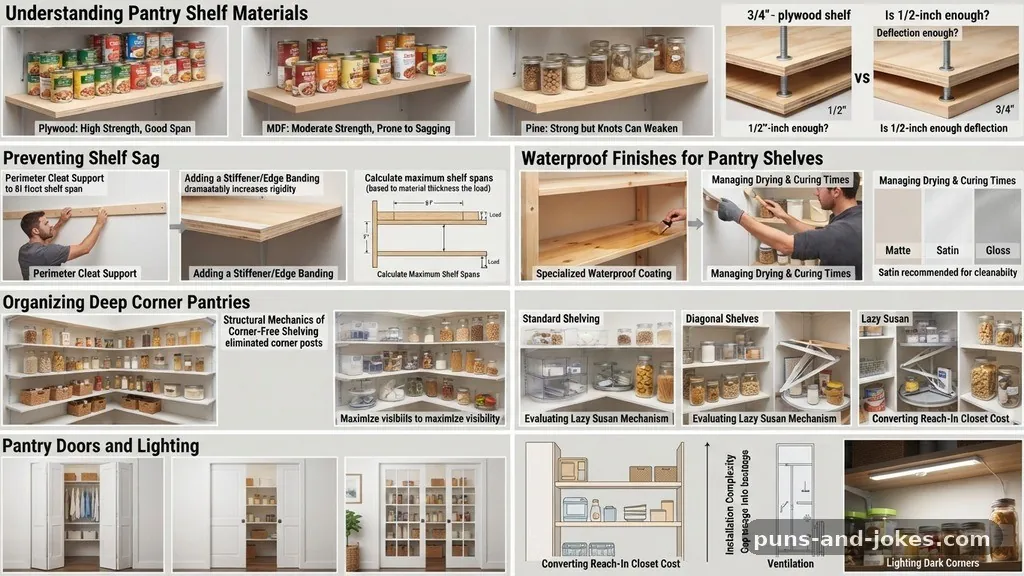
Pantries often store perishable goods, which makes proper air circulation important to prevent moisture buildup. Louvered bi-fold doors are excellent for this, as the slats allow air to pass through freely. Solid-panel French doors or pocket doors may trap air, potentially leading to a stuffy environment if the pantry is not climate-controlled.
If you choose a solid door style, consider adding decorative vents or leaving a small gap at the top and bottom of the frame. This simple step can extend the shelf life of your stored goods by preventing stagnant air. Always consider the humidity levels in your kitchen before committing to a completely airtight door design.
Maintenance and Long-Term Durability
Hardware quality dictates how long your pantry doors will last. Bi-fold doors rely on small plastic or metal guides that slide along a track; if these guides break or the track gets bent, the doors can become difficult to open. Regular cleaning of the track and occasional lubrication will keep them operating smoothly for years.
Pocket doors have tracks hidden inside the wall, which makes them difficult to repair if the rollers fail. If a pocket door gets stuck, you may need to remove the casing or even the drywall to access the track mechanism. French doors are generally more durable if they are hung correctly, but they require occasional tightening of the hinges to prevent them from drooping or scraping the floor.
Selecting Materials for Your Kitchen Style
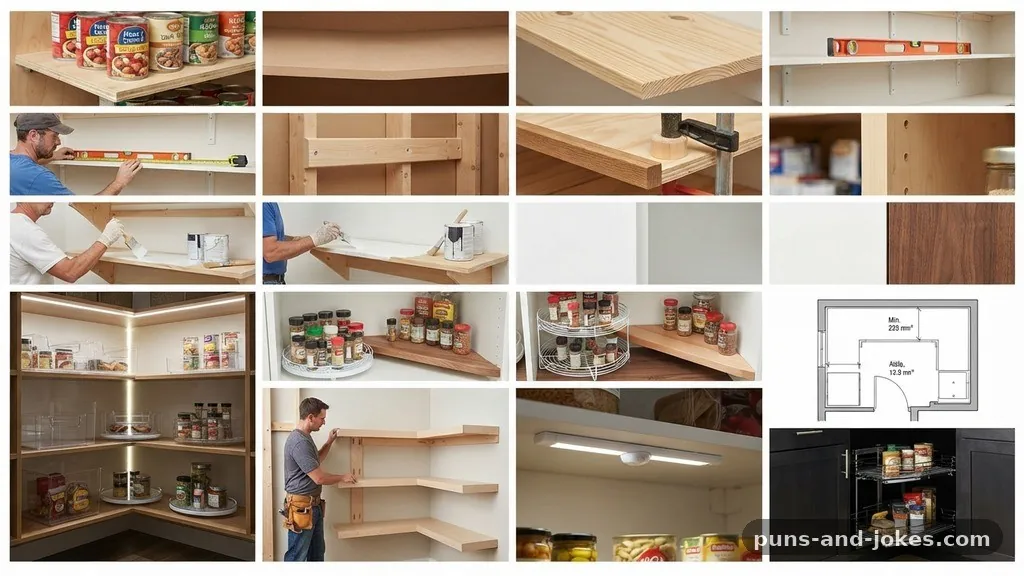
The material you choose should match the existing cabinetry or trim in your kitchen. Wood veneers can be stained to match your current cupboards, while white-painted finishes are a safe bet for a clean, modern look. If you want a more contemporary vibe, consider glass-paneled French doors to showcase your organized pantry shelves.
Keep in mind that heavier materials like solid wood require stronger hardware to prevent long-term sagging. Hollow-core doors are lighter and easier to operate, but they can feel flimsy and may dent easily. Consult the official home renovation resources for guidance on choosing materials that offer the best balance of insulation and structural integrity for your specific climate.
Common Mistakes to Avoid During Installation
Many homeowners underestimate the importance of a perfectly level frame. If the frame is even slightly out of plumb, bi-fold doors will not hang straight, and pocket doors may slide open or closed on their own. Always use a high-quality level during the installation process to ensure your doors function correctly.
Another frequent error is failing to account for the thickness of the door panels. When a bi-fold door is folded, it takes up space inside the pantry, which might block the edge of your shelves. Measure the interior depth of your pantry carefully before finalizing your door choice to ensure you don’t lose valuable storage capacity.
FAQ: Addressing Your Door Concerns
Are bi-fold doors considered outdated for modern kitchens?
Bi-fold doors have evolved significantly in style and hardware quality. While they were once associated with cheap, flimsy designs, modern versions feature high-quality materials and smooth-gliding tracks that look excellent in contemporary homes.
Can I install a pocket door in an existing wall?
It is possible, but it requires significant work. You must be able to open the wall and ensure there are no electrical wires, plumbing pipes, or load-bearing studs in the area where the door will slide.
What is the main downside of French doors for a pantry?
The biggest disadvantage is the floor space they consume. Because they swing outward, you need a clear, unobstructed area in front of the pantry to open them fully, which can be difficult in tight kitchen layouts.
Are there alternatives to these three door types?
Yes, you can consider sliding barn doors or standard single-hinged doors. Barn doors are great for style but require wall space to the side of the opening, while single-hinged doors are simple but consume a large arc of floor space.
How do I choose the right size for a pantry door?
Always measure the width and height of the finished opening in at least three places. Standard doors are often 24, 30, or 36 inches wide, but custom openings require custom-fit panels to ensure a proper seal and smooth operation.
Choosing the Right Fit for Your Home
Selecting the right door for your pantry is about balancing your available space with your aesthetic preferences. While bi-fold vs French doors vs pocket doors for small pantry closets all have unique pros and cons, the best decision depends on your specific kitchen layout and budget. If you prioritize floor space, the pocket door is the clear winner, despite the higher installation effort.
If you prefer a balance of cost and functionality, a high-quality bi-fold set is likely your best path forward. For those seeking a design-forward look and who have the space to spare, French doors offer unmatched elegance.
Evaluate your kitchen’s flow, measure your clearances twice, and choose the option that makes your daily routine simpler and more organized. Reach out to a local contractor if you are unsure about the structural requirements of your chosen door style.
