

Carry-on ski packing is simple when every item has a job and packs down small. The trick is layering (instead of bulky pieces), wearing your heaviest items on the plane, and keeping liquids minimal. Use this 20-item checklist as your “map” from travel day to first chair—built for a carry-on suitcase plus a personal item.
1) Packable Base Layer Set (Top + Bottom)
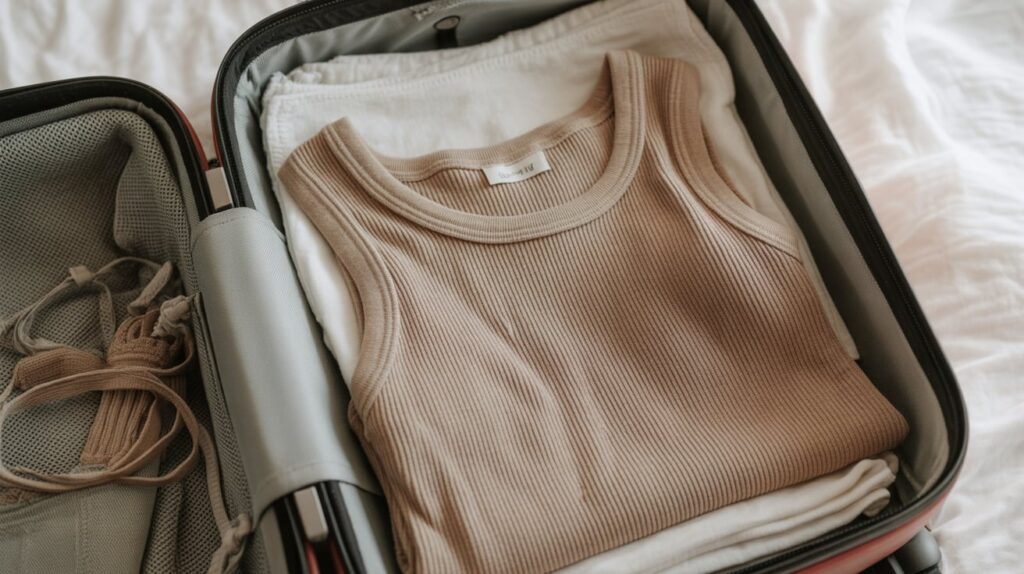
A base layer set keeps skin dry and warm while staying thin enough for carry-on packing. Choose a lightweight thermal top and bottom that fits close without bunching. One set covers a single ski day, and two sets cover a weekend with a backup in case of sweat or snow. Neutral colors mix easily with mid-layers, and thin fabric compresses well beside other gear.
Pack base layers in a small zip pouch so they stay together and easy to grab on arrival. Roll each piece instead of folding to reduce creases and save space. Keep one set in your personal item for fast access if luggage gets cold or delayed. After skiing, hang layers to air out overnight so the second set stays fresh.
2) Mid-Layer Fleece or Lightweight Puffy
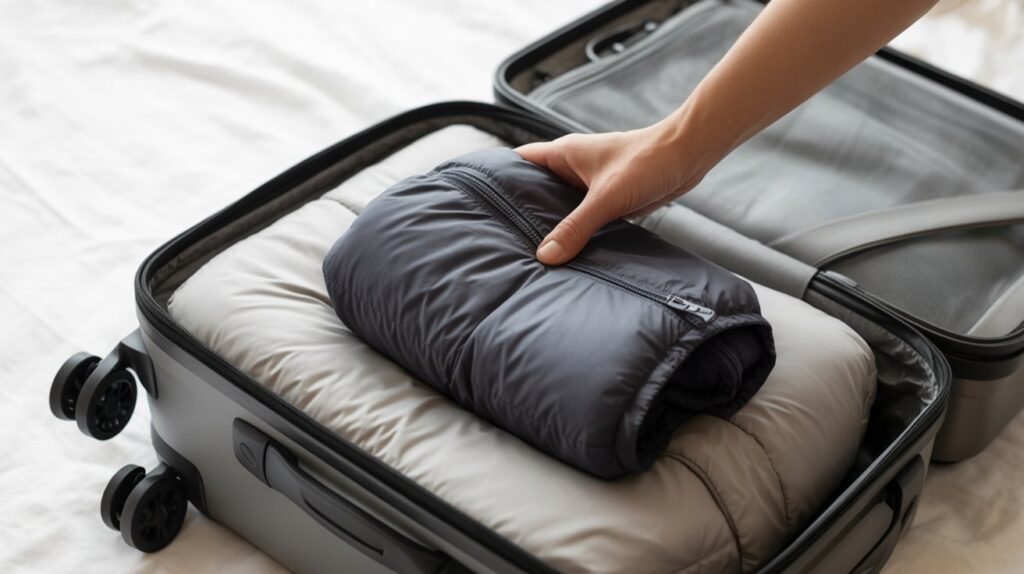
A mid-layer adds warmth without the bulk of a heavy coat. A fleece or lightweight insulated jacket works across lodge time, chairlift rides, and cold mornings. This piece matters in carry-on packing because it replaces thicker sweaters and doubles as travel-day warmth. One mid-layer is enough for most weekend trips when paired with base layers and a shell.
Choose a mid-layer that compresses into a packing cube and springs back without losing shape. Put it near the top of the carry-on for quick changes when you land. If space feels tight, wear it on the flight and stash it under the seat after takeoff. Keep pockets empty during packing so the jacket stays flat and streamlined.
3) Waterproof Ski Shell Jacket
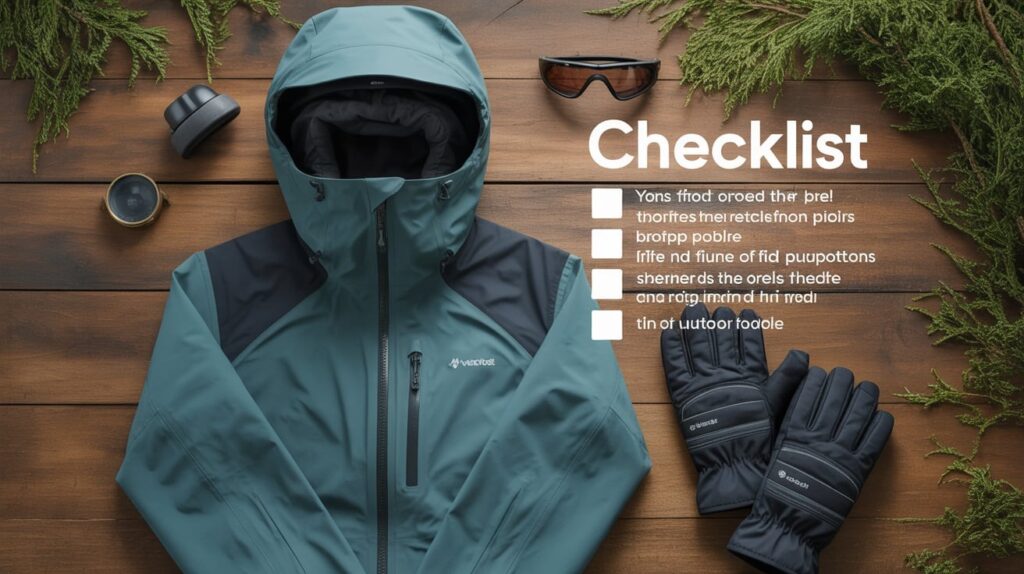
A waterproof shell blocks wind and snow while staying lighter than thick insulated coats. This is a carry-on-friendly outer layer because insulation comes from base and mid-layers, not from a bulky jacket. One shell works for skiing, snow walks, and cold errands. Look for a hood that fits over a helmet, plus vents for temperature control on warmer afternoons.
Fold the shell with sleeves tucked in to form a clean rectangle, then place it flat against the back of the suitcase. Keep the lift pass pocket empty so the jacket lies smooth. If the shell has a powder skirt, fold it inward so it doesn’t snag other items. On travel day, carry the shell in hand if your bag is full, since it stays light.
4) Waterproof Ski Pants or Bibs
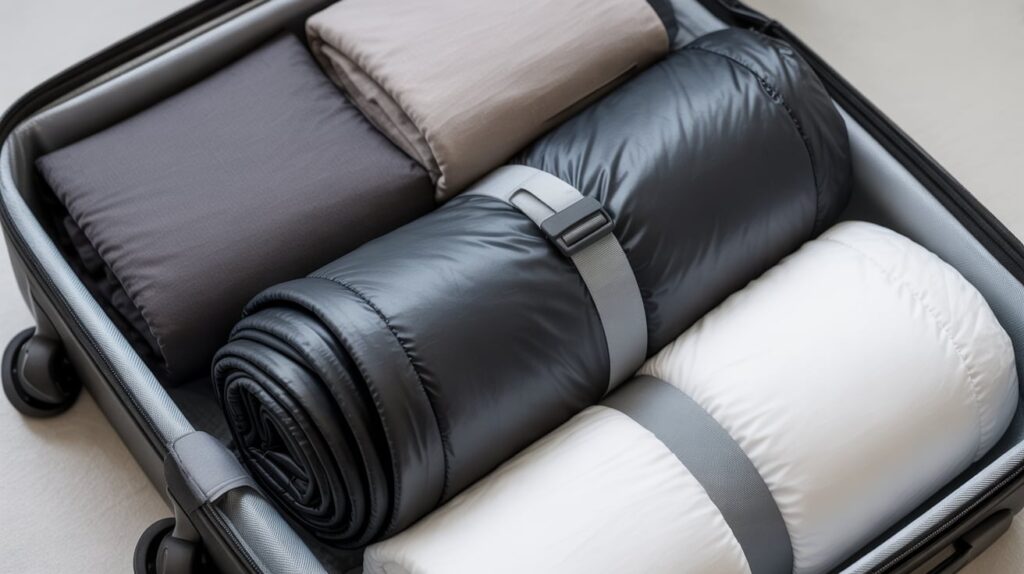
Ski pants protect against wet chairs, icy wind, and deep snow, and they’re often the bulkiest item after boots. For a carry-on trip, one pair is enough when it’s truly waterproof and fits comfortably over base layers. Bibs add coverage but can take more space, so pack whichever compresses best and feels easiest to move in all day.
Roll pants from the cuffs upward to push air out, then secure with a strap or tuck into a packing cube. Keep suspenders flat so they don’t create odd suitcase bumps. If your pants feel too bulky, wear them on the plane over leggings and change once you arrive. Store them near the top on travel day for quick unpacking.
5) Ski Socks (2–3 Pairs)
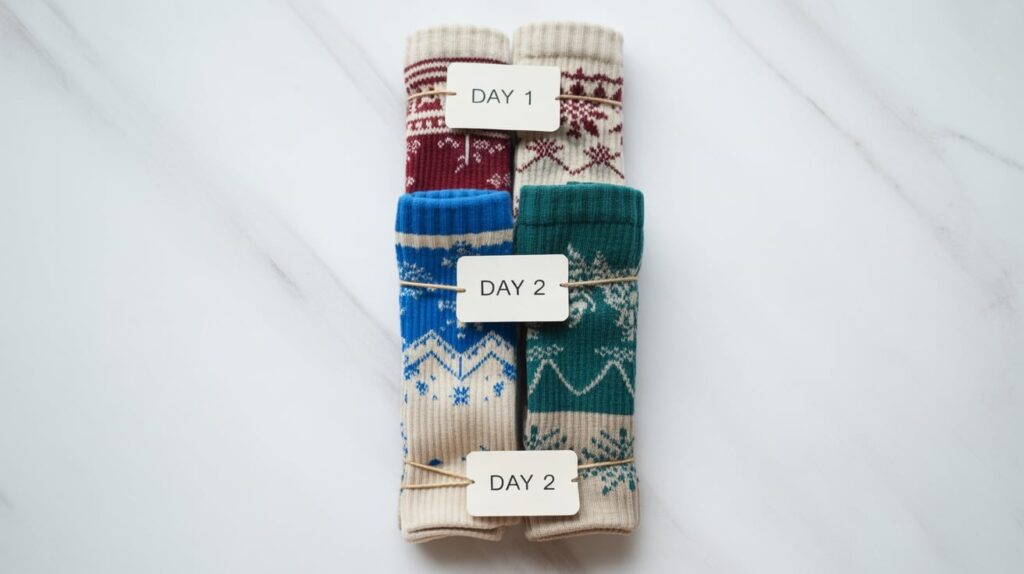
Ski socks matter more than most people expect because they affect warmth, comfort, and boot fit. Two pairs cover a weekend, and a third pair adds safety in case one gets wet. Choose socks designed for ski boots so the fabric is smooth and not overly thick. A good fit reduces wrinkles that cause pressure points during long runs.
Pair socks together and roll each set into a tight bundle to save space. Pack socks in your boot bag area if you travel with boots as a personal item, or keep them in a small pouch inside the carry-on. After skiing, dry socks fully so the next pair stays fresh. Avoid packing many extras, since socks multiply quickly in small luggage.
6) Thin Glove Liners
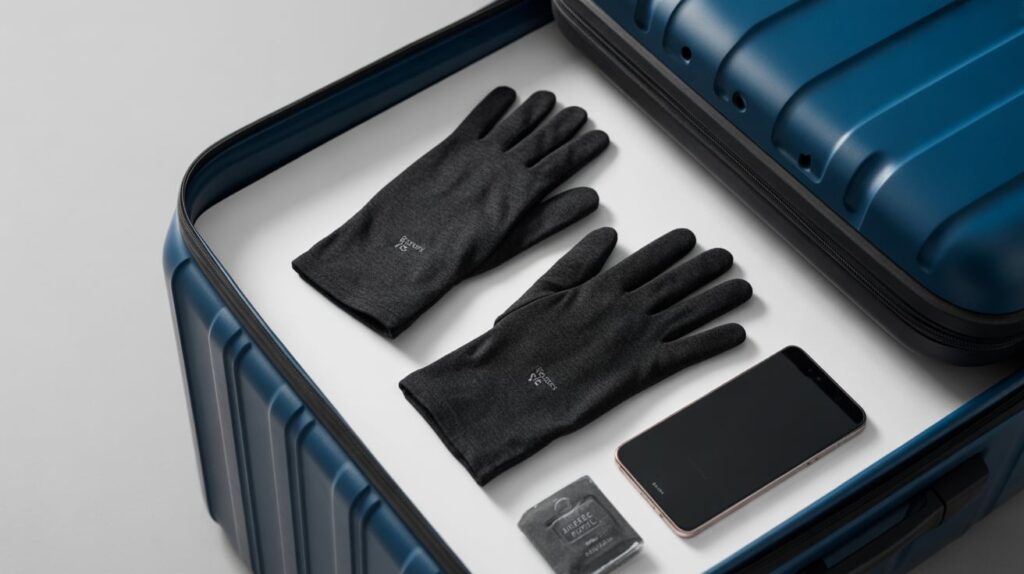
Glove liners add warmth and flexibility without taking space, which makes them perfect for carry-on packing. They help during colder chairlift rides and allow phone use without removing full gloves. Liners also work as a backup if outer gloves get damp. One pair is enough for most weekend trips, especially when combined with waterproof gloves or mittens.
Keep liners in your jacket pocket during travel so they’re easy to find right away on the mountain. Pack them flat between larger clothing items to avoid losing them. Choose a pair that dries quickly in a hotel room, so they’re ready the next morning. If you plan night activities, liners also work for short walks to dinner.
7) Waterproof Gloves or Mittens
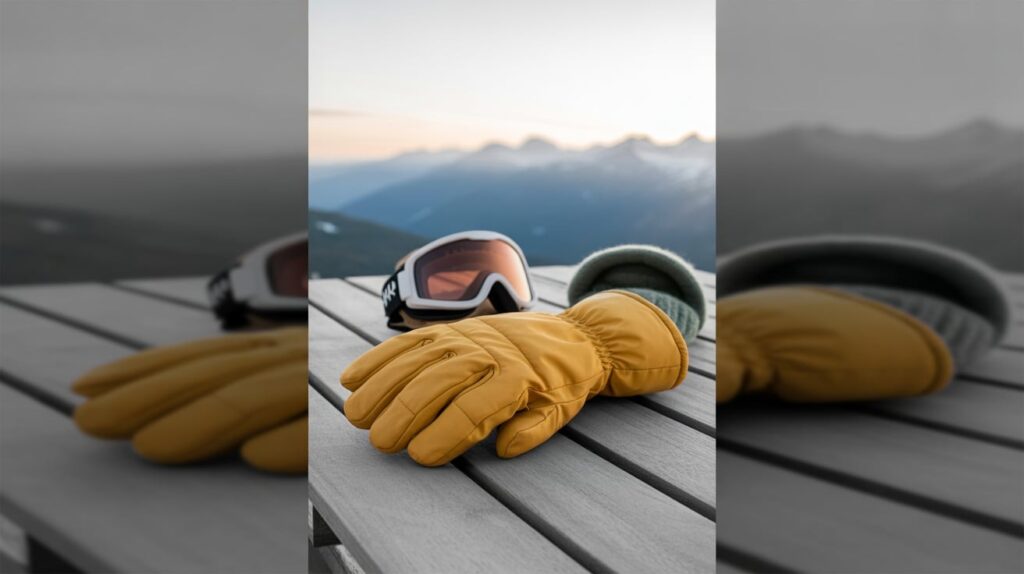
Waterproof gloves or mittens protect hands from snow contact, cold wind, and wet gear handling. For a carry-on trip, one solid pair plus thin liners covers most conditions without extra bulk. Mittens often feel warmer, while gloves offer more dexterity; either works if waterproofing is reliable and the cuff seals well over jacket sleeves.
Pack gloves by tucking one inside the other to reduce volume. Use the glove space to hold small items like lip balm or a cable, keeping everything together in one “mountain kit.” Dry gloves overnight by opening them wide and placing them near airflow, not on direct heat. Keep them in your personal item if you tend to get cold during travel.
8) Helmet (Carry as Personal Item if Possible)
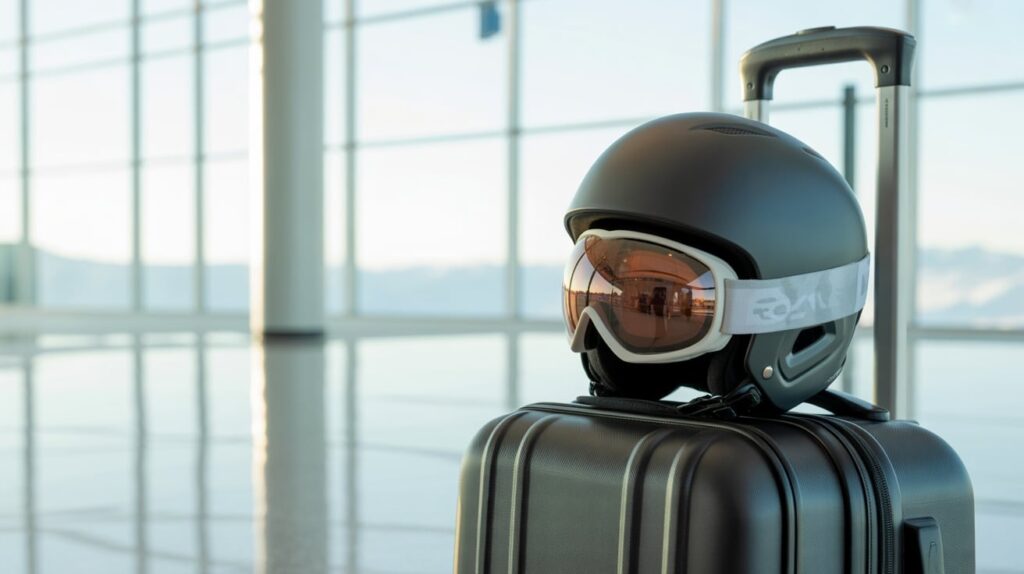
A helmet is protective gear that often takes too much suitcase space, so carrying it as a personal item can make packing easier. Many travelers place goggles inside the helmet to save room and protect lenses. One helmet works for skiing, snowboarding, and tubing activities, making it a high-value item even for short trips.
Use a soft helmet bag or wrap it in a hoodie to prevent scuffs. Keep small items inside the helmet—goggles, liners, and a neck gaiter fit well together. If you must pack it, place it crown-down in the suitcase and fill the inside with socks to avoid wasted space. Avoid placing heavy items on top, since helmets can deform under pressure.
9) Goggles (Plus a Soft Lens Cloth)
Goggles protect eyes from wind, sun glare, and blowing snow while keeping vision clear. For carry-on travel, one pair in a protective pouch is the safest plan. The lenses scratch easily, and damage ruins the ski day fast. A small microfiber cloth helps clean moisture and fog without harsh wiping, especially after snowfall or sweaty climbs.
Pack goggles in your personal item or inside your helmet to protect the lens curve. Keep the strap flat to avoid bending, and avoid placing them loose among zippers and keys. On arrival, store goggles where they can dry, since moisture buildup increases fog. If you wear glasses, consider goggles that fit comfortably over frames to avoid packing extra solutions.
10) Neck Gaiter or Balaclava
.
A neck gaiter or balaclava keeps face and neck warm on windy lifts and cold mornings. It takes almost no room, yet it changes comfort levels dramatically when temperatures drop. One piece covers most weekend conditions and can rotate between skiing and après activities. It also helps reduce skin exposure, which matters during long outdoor hours.
Pack it flat in a small pouch with liners and lip balm so it’s easy to grab. Choose a fabric that feels soft against skin and dries quickly after breath moisture. After skiing, hang it to air out rather than stuffing it back into a bag. If you run warm, a thinner gaiter still blocks wind without overheating.
11) Beanie or Packable Hat for Off-Mountain Time
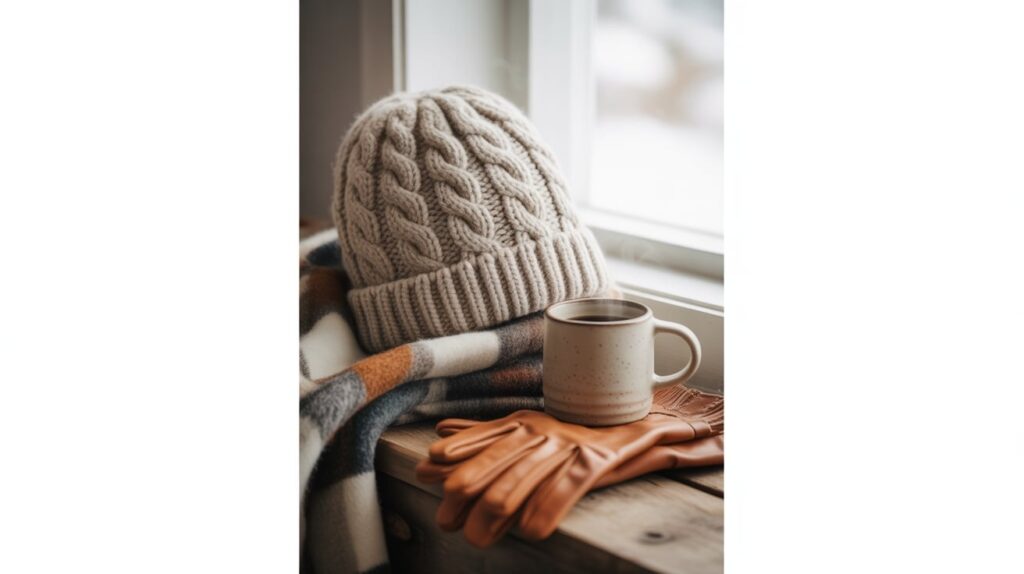
A beanie covers travel day, lodge breaks, and evening walks without taking space. Even if you ski in a helmet, you’ll want a warm hat for parking lots, shuttle stops, and dinner plans. One beanie is enough for a weekend, especially in a neutral color that matches everything. It also acts as a backup if a hood gets wet.
Fold the beanie flat and tuck it along the side of a packing cube. If you carry a helmet, place the beanie inside it to prevent wasted space. Choose a hat that dries quickly, since snow or light drizzle can dampen fabric. Keep it in your personal item for instant warmth when you step off the plane.
12) Sunglasses (For Sunny Days and Resort Walking)
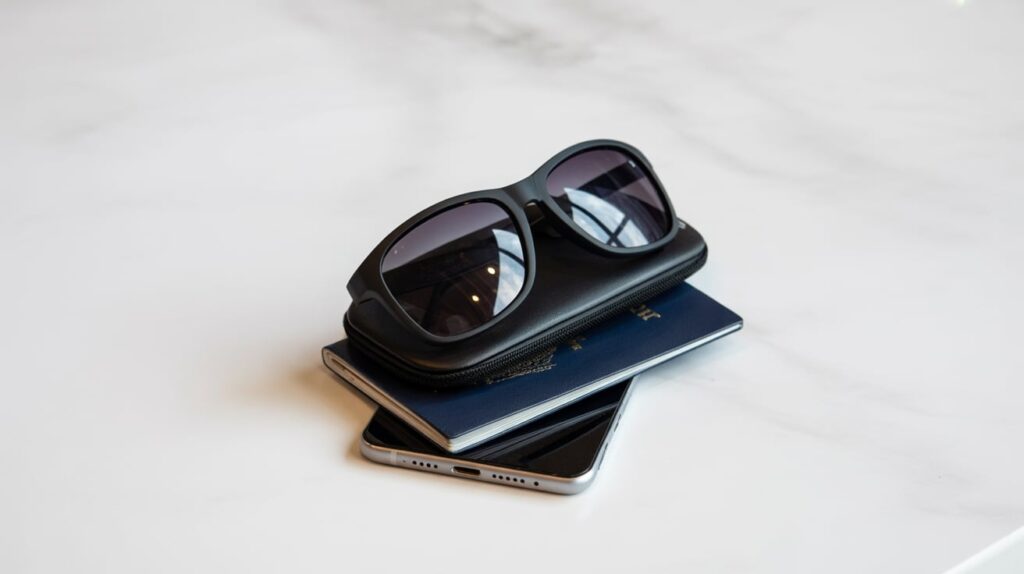
Sunglasses help during bright snow days, resort strolls, and travel time between lodging and lifts. Goggles cover skiing, but sunglasses add comfort when you’re not on the run. They’re lightweight, easy to carry, and protect eyes from glare reflected off snow. One pair is enough, and a hard case prevents crushed frames inside carry-on luggage.
Pack sunglasses in a hard case and place the case near the top of your bag for quick access. If you use a personal item backpack, keep sunglasses in an upper pocket so they don’t sink under heavier gear. Wipe lenses with a microfiber cloth rather than tissues to avoid scratches. Sunglasses also help on the drive if your trip includes daytime mountain roads.
13) Mini Toiletry Kit (TSA-Friendly Liquids)
.
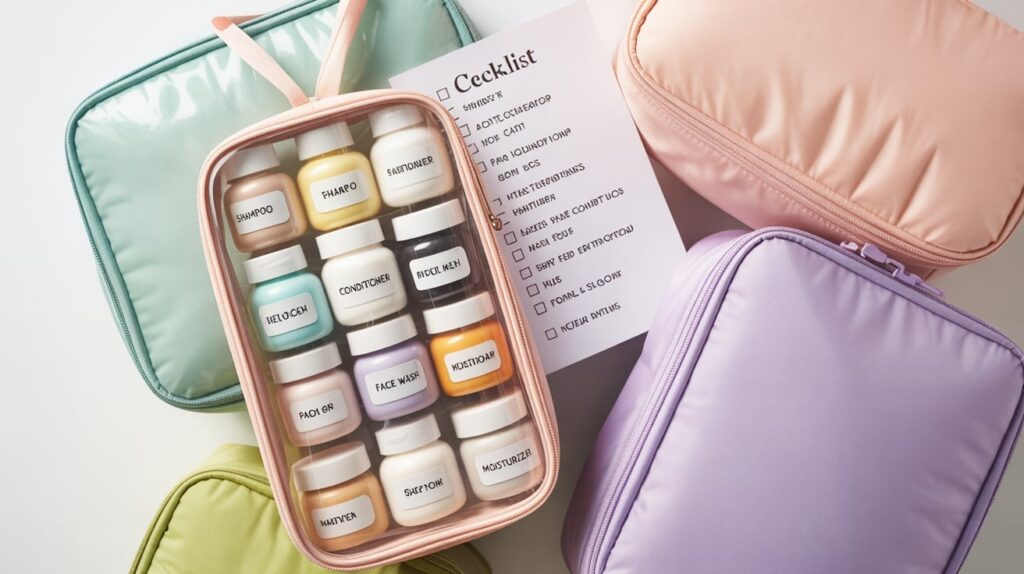
A mini toiletry kit keeps travel smooth and avoids digging through your bag for small items. For carry-on packing, keep liquids minimal and use travel sizes to stay airport-friendly. Include face wash, moisturizer, deodorant, and a small sunscreen since snow reflects sunlight strongly. This kit also keeps you comfortable after skiing when skin feels dry from cold air.
Use a clear zip pouch so security checks stay simple. Keep toiletries in one consistent spot in the suitcase, ideally near the top. Choose solid options where possible, since they pack smaller and reduce spills. Put anything that can leak into a secondary zip bag. After arrival, store the kit by the door so it stays ready for early ski mornings.
14) Lip Balm + Small Hand Cream
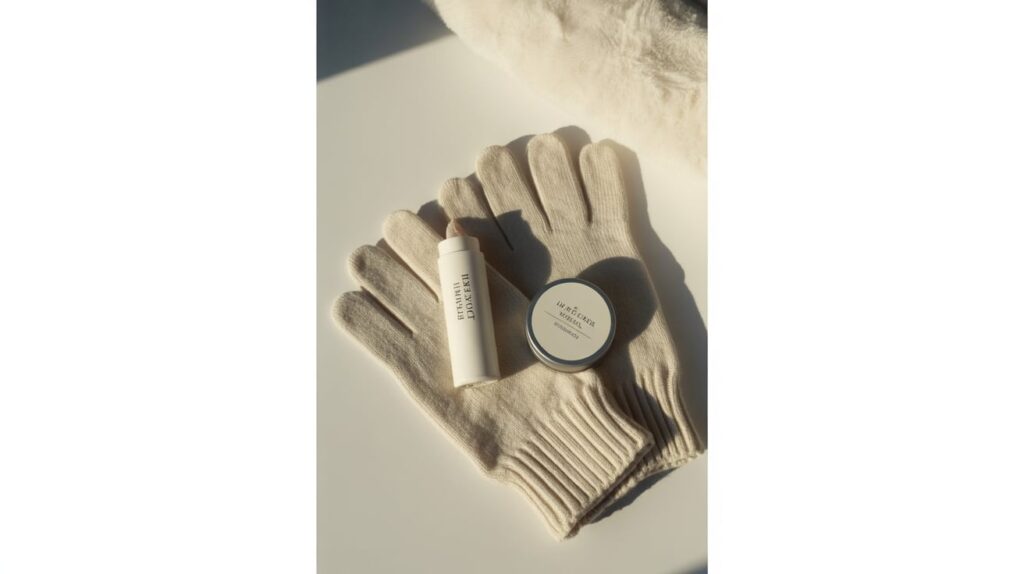
Cold air, wind, and sun can dry out lips and hands quickly during ski days. A small lip balm and mini hand cream take almost no space, yet they improve comfort throughout the trip. These items are easy to forget because they feel small, but they get used often—on the lift, at lunch, and after washing hands in lodge bathrooms.
Keep lip balm in a secure pocket so it doesn’t disappear during travel. Pack hand cream in a mini tube to avoid heavy containers. Store both in a “mountain pocket kit” with a lens cloth and tissues for quick access. Apply before heading out and again after skiing to reduce cracking. These small items also help during flights where cabin air feels dry.
15) Small First Aid + Blister Care
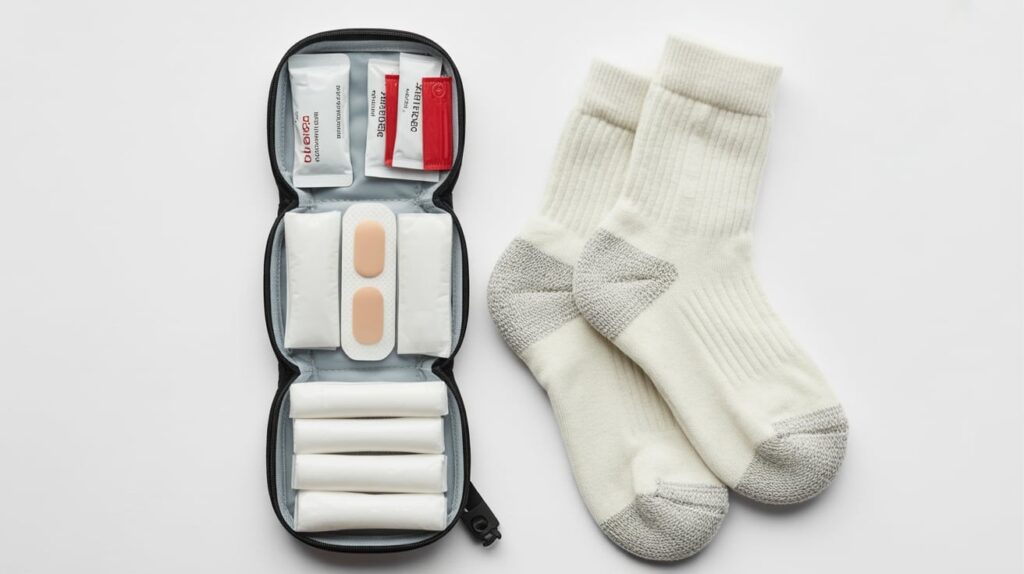
A tiny first aid pouch saves a ski day when boots rub or hands get chapped. Include blister pads, a few bandages, and any personal essentials that fit in a small space. Blister care matters most because ski boots can create hot spots fast, especially on day one. Keeping a compact kit supports comfort without turning your carry-on into a medical bag.
Use a slim zip pouch and keep it in your jacket or day pack rather than buried in luggage. Add a small roll of athletic tape if you often get heel friction. After skiing, restock the pouch so it’s ready for day two. Keep the kit lightweight and focused on common mountain issues: blisters, small cuts, and minor irritation from cold air.
16) Phone Charger + Compact Power Bank
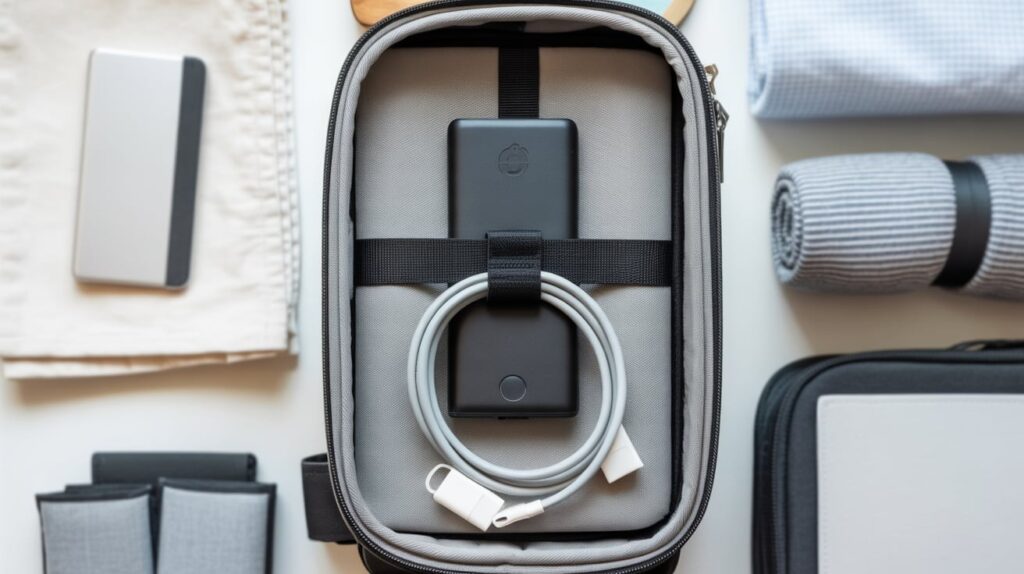
A charger and compact power bank support maps, lift apps, photos, and emergency contact during a ski trip. Cold temperatures can drain phone batteries faster than normal, especially when taking photos outdoors. Keeping power available helps with transportation, lodge check-in, and coordinating with friends. One short cable, one wall plug, and one small power bank cover most weekend travel scenarios.
Wrap cords with a small organizer so they don’t tangle in your bag. Pack the power bank in your personal item for easy access during flights and transfers. Keep the wall charger in an outer pocket so hotel outlets are easy to reach on arrival. Charge the power bank overnight and store it near your gloves in the morning, so you remember it before heading out.
17) Travel Outfit That Doubles as Après (One Simple Set)
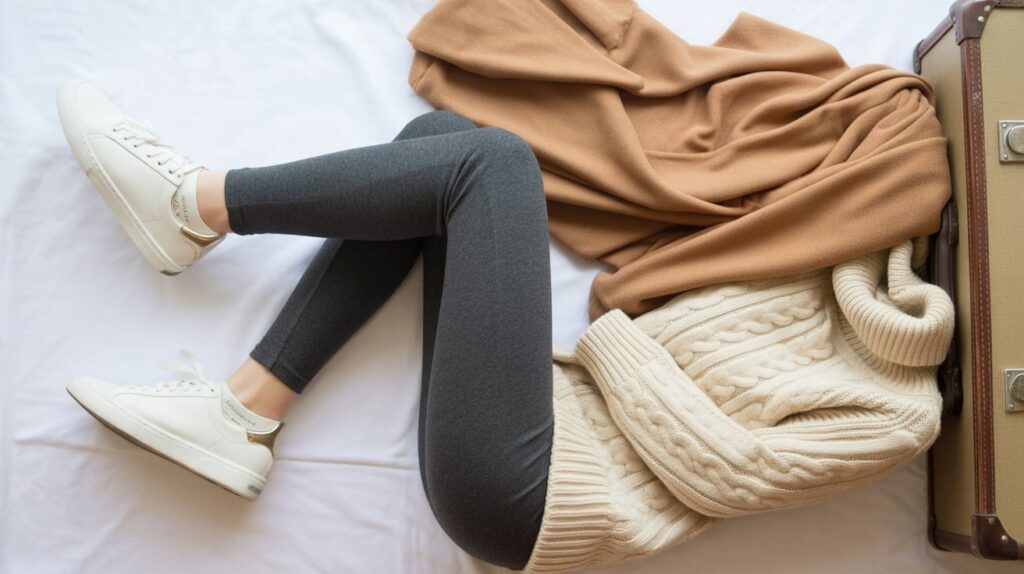
A single travel outfit that doubles as après clothing saves major space in a carry-on. Choose comfortable pants, a warm top, and shoes that handle snowy sidewalks. This set covers airport time, casual dinners, and resort walking without extra clothing changes. Keeping it simple reduces overpacking and leaves room for ski essentials that matter more on the mountain.
Wear the bulkiest pieces during travel so they don’t take suitcase space. Pack only one extra casual top if you want variety for photos. Stick to neutral colors so the outfit looks consistent across different settings. Add a compact scarf or neck layer to adjust warmth without packing a second jacket. This approach keeps the carry-on focused on ski performance items, not duplicates.
18) Packable Water Bottle (Empty Through Security)
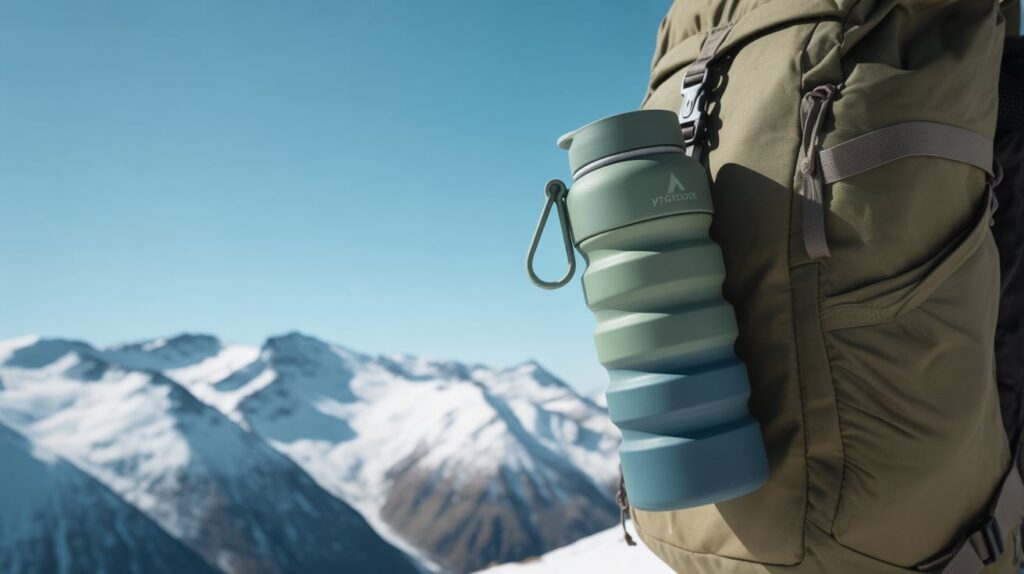
Hydration supports energy and comfort at altitude, and a packable bottle makes it easier to drink water without buying multiple disposable bottles. For carry-on travel, a collapsible or slim bottle packs easily and stays light. It also fits in most resort lockers and backpack pockets. Keeping a bottle on hand helps during flights, shuttles, and long lift lines.
Travel with the bottle empty, then fill it after security. Pack it in your personal item so it stays accessible. If you carry a day pack, clip the bottle or place it in a side pocket for quick sips. Clean and dry it each night so it doesn’t develop odors. A compact bottle also supports hot lodge breaks when you want water between coffee stops.
19) Snacks That Don’t Crush (Protein + Quick Energy)
.
Resort food lines can be long and expensive, so a small snack pack keeps energy steady. For carry-on trips, choose snacks that travel well and don’t crush easily, like nuts, dried fruit, or sturdy bars. This keeps your day flexible and reduces the urge to overbuy at the lodge. A few snacks also help during airport delays or late check-ins.
Pack snacks in a zip pouch and place it in your personal item for travel day access. Separate anything crumbly so it doesn’t create a mess in your bag. Keep one snack in a jacket pocket for quick lift-line energy. Restock the pouch before heading out each morning. This simple step supports better pacing on the mountain and makes your packing list feel complete.
20) Packing System: Cubes + One “Mountain Kit” Pouch
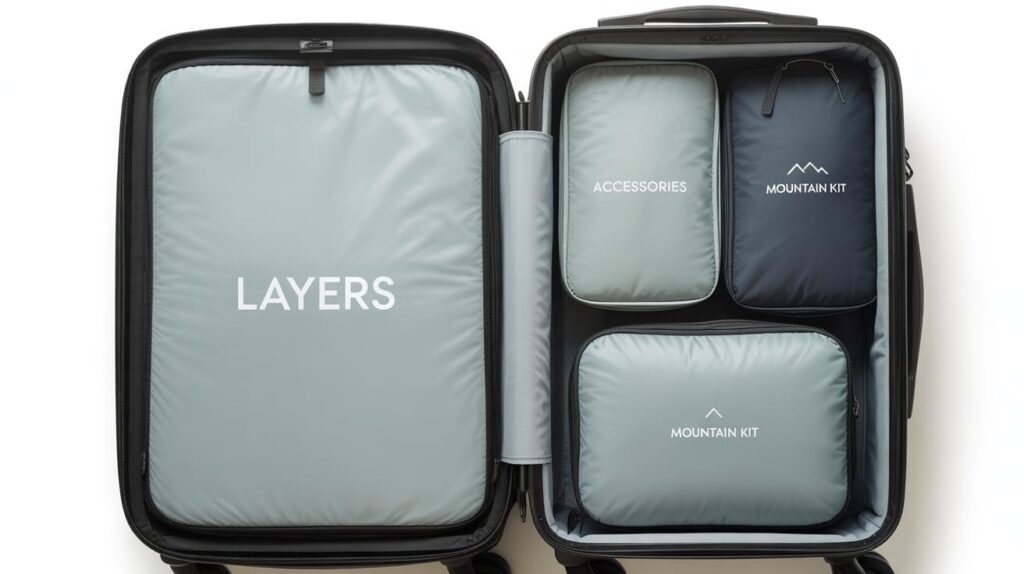
A packing system is the difference between a tidy carry-on and a messy bag that explodes in a hotel room. Use packing cubes to group layers, casual clothes, and accessories. Add one small “mountain kit” pouch for items you grab often—lip balm, liner gloves, lens cloth, and a small first aid kit. This structure makes it easy to find items fast when mornings start early.
Place your heaviest cube near the suitcase wheels for better balance while rolling through airports. Keep the mountain kit in your personal item so you can access it during travel and on arrival. Pack by category, not by day, since ski conditions can change quickly. This method keeps your checklist practical, repeatable, and truly carry-on friendly..
Got it! Here’s a breakdown of the article elements based on your title:
Conclusion
Packing for a ski trip doesn’t have to be stressful when you follow a well-organized checklist. With these 20 carry-on essentials, you can travel light yet prepared. Keep your gear functional and compact, ensuring you have everything for an unforgettable adventure on the slopes. No matter the weather, your ski trip packing list will have you covered, so you can focus more on the fun and less on the packing!
