


Establishing the best Ventilation Options for an Enclosed Kitchen Pantry Closet is essential for maintaining food quality and preventing structural damage within your home. An enclosed pantry acts as a micro-environment where temperature and moisture can fluctuate independently of the rest of your kitchen. Without proper airflow, you risk spoilage, pest attraction, and the growth of mold or mildew on dry goods.
By implementing the right balance of passive and active systems, you ensure a dry, cool, and fresh storage space that protects your ingredients. This article breaks down the technical and practical solutions for managing air quality in even the most restrictive pantry layouts.
The Primary Solution: Passive Airflow and Door Design

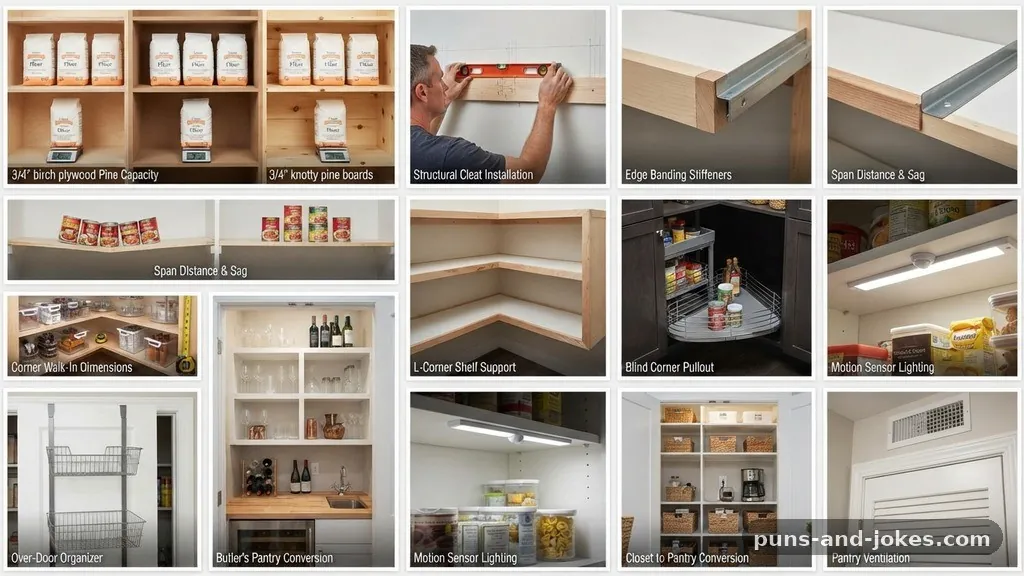
The most straightforward way to improve conditions is to modify the existing pantry door design. Standard solid-core doors trap air, creating a stagnant environment where humidity levels can rise significantly. Installing a louvered door is the most effective passive solution, as the angled slats allow air to pass through while maintaining visual privacy.
If replacing the door is not an option, you can achieve similar results by adding ventilation grilles to the bottom and top of the existing panel. This creates a natural chimney effect where warm, stale air escapes through the top and fresh air is drawn in through the bottom.
Another critical passive measure involves door undercuts. A standard interior door often sits flush against the floor, creating a near-airtight seal when closed. By trimming the bottom of the door to leave a gap of at least one inch, you establish a consistent path for cross-ventilation.
This simple adjustment often provides enough air exchange to prevent the most common moisture buildup issues. Combining this with interior shelving gaps—where you leave a small space between the shelf edges and the rear wall—facilitates vertical air circulation throughout the entire closet.
Active Ventilation: When You Need a Fan
When passive methods fail to lower humidity or clear stale air, installing a dedicated pantry ventilation fan becomes necessary. These small, low-profile units are designed specifically for enclosed spaces and can be mounted through a wall or integrated into the door.
Unlike standard exhaust fans, these units are often quieter and designed to operate on a continuous, low-power cycle. They provide the active air exchange needed to keep the closet environment consistent with the ambient temperature of your kitchen.
Many homeowners opt for electric ventilation kits that include integrated humidity sensors. These devices monitor the air and turn on automatically when moisture levels exceed a set threshold, ensuring you aren’t wasting electricity while keeping the environment stable.
This is particularly useful in pantries that share a wall with bathrooms or exterior walls susceptible to temperature swings. By maintaining a steady air exchange rate, these fans act as a primary line of defense against long-term structural decay.
Humidity Control and Monitoring
Managing moisture is the most significant challenge for any pantry, as even a small amount of condensation can ruin bulk staples like flour, sugar, and grains. You should begin by placing a small, digital hygrometer inside the closet to establish a baseline for your current humidity levels.
Ideally, you want to maintain a relative humidity level between 30% and 50% for dry food storage. If your readings consistently climb above 60%, you are in the danger zone for mold prevention and must take immediate steps to increase ventilation.
If you find that the pantry consistently stays damp despite better airflow, consider using passive moisture absorbers or small, renewable desiccant packs. These materials pull excess water from the air and provide a temporary fix while you work on a more permanent mechanical solution.
However, do not rely on these as a permanent replacement for proper air circulation. You can learn more about the science of indoor air quality and moisture management through the Environmental Protection Agency’s guidance on ventilation to better understand why consistent exchange is vital.
Comparing Different Ventilation Approaches
Choosing between passive and active systems depends on your budget, the pantry’s location, and the severity of your air stagnation. The following table provides a breakdown of how these different options compare regarding cost, installation complexity, and efficiency.
| Ventilation Type | Installation Difficulty | Cost Estimate | Efficiency Level |
|---|---|---|---|
| Louvered Door Replacement | Moderate | Medium | High (Passive) |
| Door Undercut/Grilles | Low | Low | Moderate (Passive) |
| Wall-Mounted Exhaust Fan | High | High | High (Active) |
| Electric Ventilation Kit | Moderate | Medium | High (Active) |
Integrating with Existing HVAC Systems

In some modern kitchen designs, it is possible to integrate the pantry directly into your home’s central HVAC system. This is an advanced step that usually requires a professional contractor to cut a supply vent into the pantry space.
By adding a small register, you ensure that the pantry benefits from the same thermal regulation as the rest of the house. This prevents the pantry from becoming an isolated pocket of heat or cold during extreme weather.
However, if you add a supply vent, you must also provide an exhaust path. Without an exit for the air, you will create positive pressure inside the closet, which can force air into the surrounding wall cavities.
This can lead to hidden moisture issues behind the drywall. Always pair a new supply vent with an undercut door or a dedicated return grille to maintain a balanced air exchange rate.
Strategic Shelf Placement for Airflow
The way you arrange your shelving significantly impacts internal air movement. If you pack your shelves tightly from floor to ceiling, you create localized dead zones where air cannot circulate effectively.
To mitigate this, keep your items organized with at least a one-inch gap between the back of the shelf and the wall. This allows a vertical current of air to move from the floor to the ceiling, preventing the trapping of stagnant pockets.
Consider using wire shelving instead of solid wood or laminate boards. Wire shelves allow air to flow through the structure of the shelving unit itself, preventing moisture from pooling on flat surfaces.
This is especially beneficial if you store heavy items that might compress the air around them. By prioritizing open-grid storage, you support the natural convective currents that the best ventilation options for an enclosed kitchen pantry closet rely on to function properly.
Managing Soffits and Ceiling Vents

Many pantries feature a soffit or a dropped ceiling area that hides ductwork or structural beams. These spaces are notorious for trapping heat, especially if the pantry is located under an attic or near a roofline.
If your pantry has a soffit, you might consider installing small, decorative vents in the soffit face to allow hot air to escape into the main kitchen area. This reduces the thermal load on the pantry and keeps the overall ambient temperature lower.
When installing these vents, ensure they are not blocked by items on the top shelf. It is a common mistake to use the highest shelf for long-term storage, effectively sealing off the ceiling area.
Keep the area near your ventilation points clear of obstruction to ensure the system can perform its function. Regular maintenance, such as dusting these vents, is also necessary to ensure that grease from the kitchen does not clog the airflow.
The Role of Interior Closet Airflow
Interior closet airflow is often overlooked because we tend to focus on the door as the sole point of entry for air. However, the internal geometry of the closet matters just as much as the exterior openings.
If your pantry is deep, you may experience “dead corners” where air never reaches, regardless of how large your door undercut is. Placing a small, battery-operated, or low-voltage fan in the back of the pantry can help force circulation into these stagnant areas.
This type of localized movement is particularly important in pantries that house appliances, such as a secondary refrigerator or a wine cooler. Appliances generate heat, and if that heat is trapped in a small, unventilated closet, it forces the appliance to work harder.
This creates a cycle of rising temperatures that can lead to premature mechanical failure. Proper internal circulation is not just about food safety; it is also about extending the lifespan of your kitchen equipment.
Common Mistakes in Pantry Ventilation

One of the most frequent errors is assuming that a “sealed” pantry is a “clean” pantry. While you want to keep pests out, you must not sacrifice the ability of the room to breathe.
Using heavy, draft-proof weather stripping around a pantry door is a common mistake that leads to rapid humidity buildup and stale air. If you are worried about pests, use fine-mesh screens behind your vents or louvers instead of sealing the door frame completely.
Another mistake is placing a moisture-sensitive product, like a bag of flour, directly against a shared exterior wall. Exterior walls are often colder than the interior, which can lead to localized condensation (the “cold glass of water” effect) on the inside surface of the wall.
Always leave a buffer between your goods and any wall that faces the outside. This small change, combined with adequate ventilation, prevents the development of mold on your food containers.
Practical Maintenance Checklist
To keep your pantry environment optimal, follow a simple maintenance schedule. Start by cleaning your ventilation grilles every three months to prevent dust accumulation.
If you use an electric fan, test it annually to ensure the motor is still running quietly and efficiently. Check your hygrometer readings monthly, especially during seasonal transitions when humidity levels are likely to shift.
- Inspect all vents for blockages from stored items.
- Dust louvered slats and intake grilles regularly.
- Test humidity levels with a digital hygrometer every season.
- Replace batteries in active fan units or sensors annually.
- Clear items away from the wall to ensure a 1-inch air gap.
- Check the door undercut for obstructions like rugs or floor debris.
Frequently Asked Questions
Do I really need a fan for my pantry?
Not every pantry requires an active fan. If your pantry is small, stays dry, and has a louvered door or a sufficient undercut, passive ventilation is often enough. However, if you notice a musty smell or see signs of dampness, an active fan is the best solution.
How do I know if my pantry has high humidity?
The most accurate way to tell is to use a digital hygrometer. If the reading stays above 50-60% consistently, you have a humidity problem. Physical signs include condensation on walls or the smell of mildew.
Can I just leave the pantry door open?
Leaving the door open is an effective, albeit inconvenient, way to ventilate a space. It provides excellent airflow but ruins the aesthetic of your kitchen and leaves your food exposed. Installing a louvered door offers the same airflow benefit without the need to keep the door ajar.
Will a fan make my pantry noisy?
High-quality pantry ventilation fans are designed to be extremely quiet. Most models designed for residential use operate at a decibel level that is barely audible in a normal kitchen environment. Look for “whisper-quiet” ratings when shopping for a unit.
What is the best way to stop pests from getting in through vents?
Use fine-mesh stainless steel screening on the back of any vents or louvers you install. This allows air to pass through while preventing insects or rodents from entering. Ensure the screen is securely attached so it doesn’t leave gaps.
Conclusion
Managing the internal climate of your food storage space is a fundamental aspect of kitchen maintenance. By prioritizing consistent airflow, you can easily avoid the common issues of mold, stale air, and food spoilage that plague enclosed spaces. Whether you choose simple passive modifications like louvered doors and undercuts or invest in active, sensor-driven ventilation fans, the goal remains the same: creating a stable, dry environment.
Start by assessing your current humidity levels and identifying any stagnant corners in your layout. Implementing even one or two of the best Ventilation Options for an Enclosed Kitchen Pantry Closet will make a measurable difference in the longevity of your supplies. Take the time to evaluate your specific storage needs, and feel free to reach out to a local contractor if you need help with complex electrical or structural modifications.
