

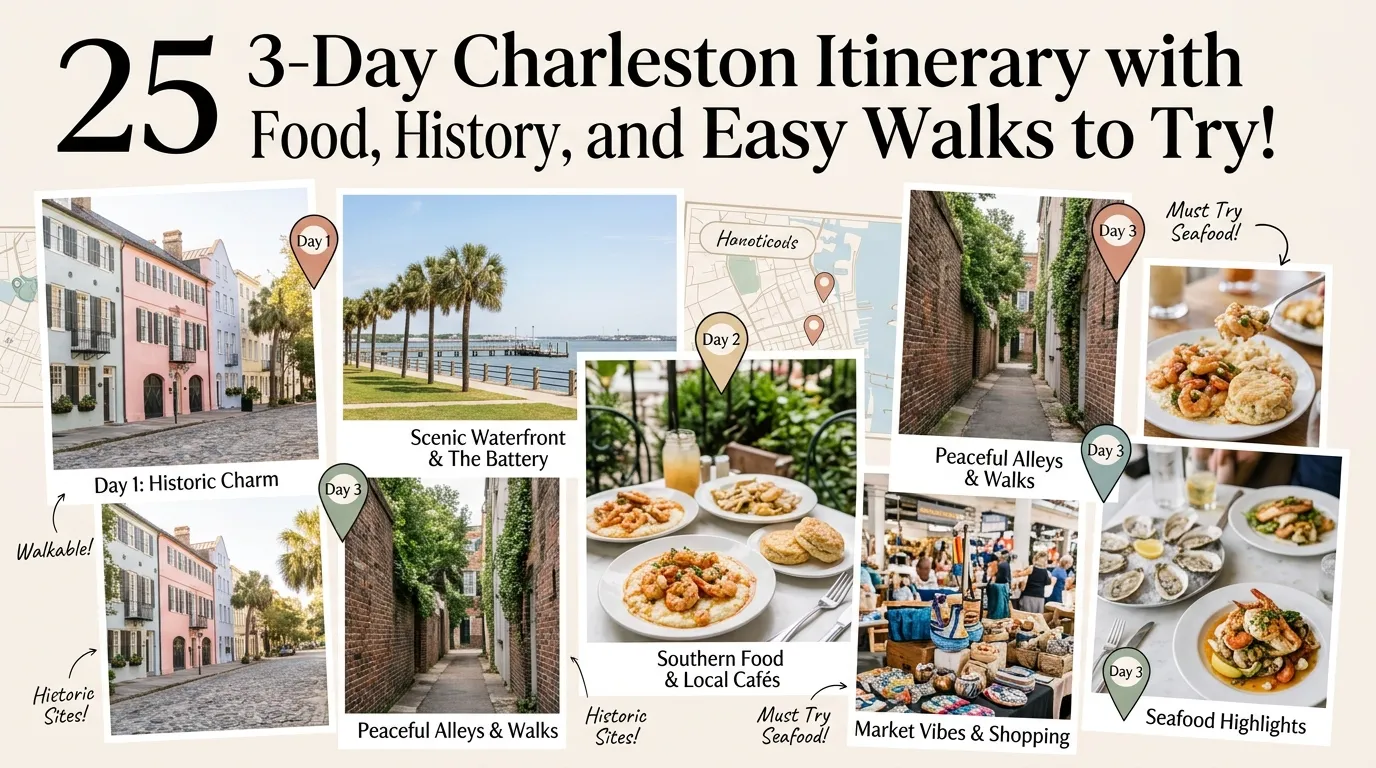
1) Day 1 Morning: Coffee + King Street Stroll (Easy Start)
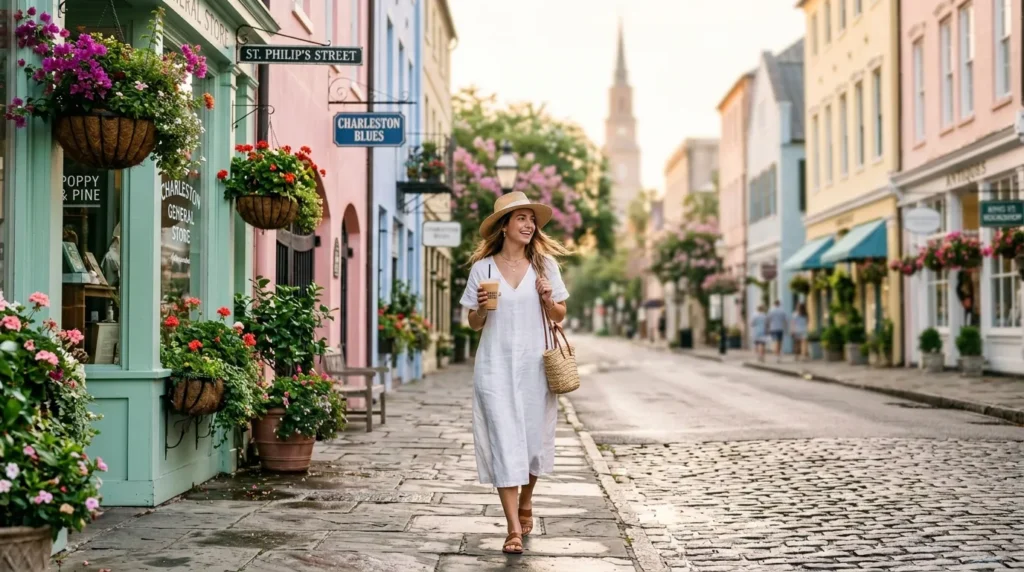
Start your first morning slow and walk-friendly: grab coffee downtown, then do an easy stroll along King Street. This area is great for warming up your “Charleston pace” without rushing, and it’s packed with cute windows, side streets, and spots to pop in for a quick browse. Keep your route flexible—stop whenever something looks interesting and let the city set the vibe.
After coffee, wander toward the Historic District and enjoy the architecture as you go. Charleston is best on foot, and mornings are cooler and quieter for photos. If you’re hungry early, add a bakery stop or a light breakfast sandwich. The goal is simple: stroll, snack, and get oriented before the history-heavy stops later.
2) Day 1 Mid-Morning: Waterfront Park + Pineapple Fountain Photos
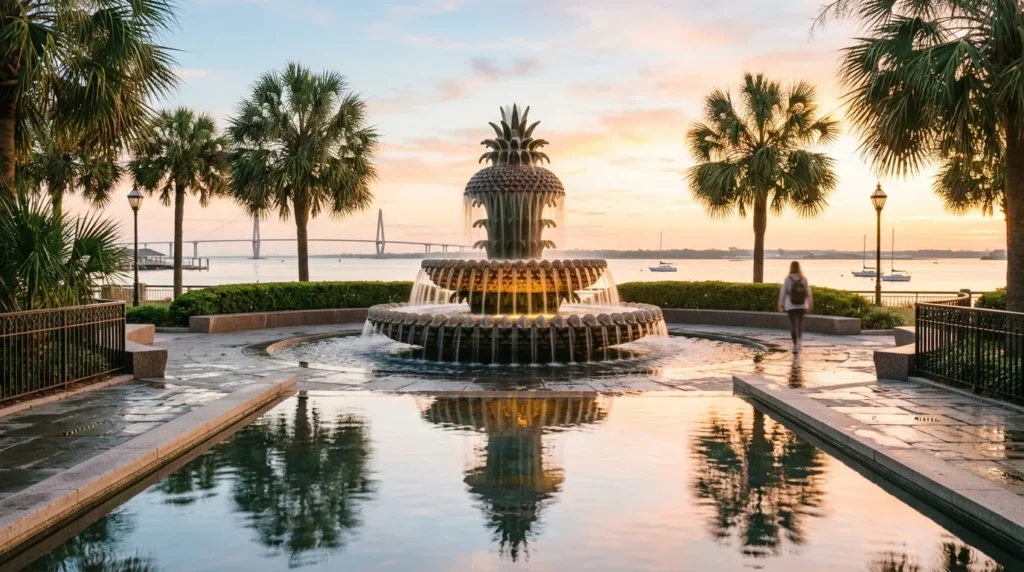
Head to Waterfront Park for classic Charleston scenery and an easy, relaxing walk by the water. The Pineapple Fountain is the iconic photo spot here, and it’s perfect for a quick break between sightseeing stops. This area is made for slow strolling—sit on a bench, watch boats pass, and enjoy the breeze before you dive into the busier streets. (Old South Carriage Company)
From the park, you can continue on foot toward East Bay Street and the historic homes. Keep water with you, especially if it’s warm, and plan a short “photo loop” rather than trying to see everything at once. This is also a great place to reset your day: sunscreen, sunglasses, and a quick snack before you keep walking.
3) Day 1 Late Morning: Charleston City Market Browse + Local Finds
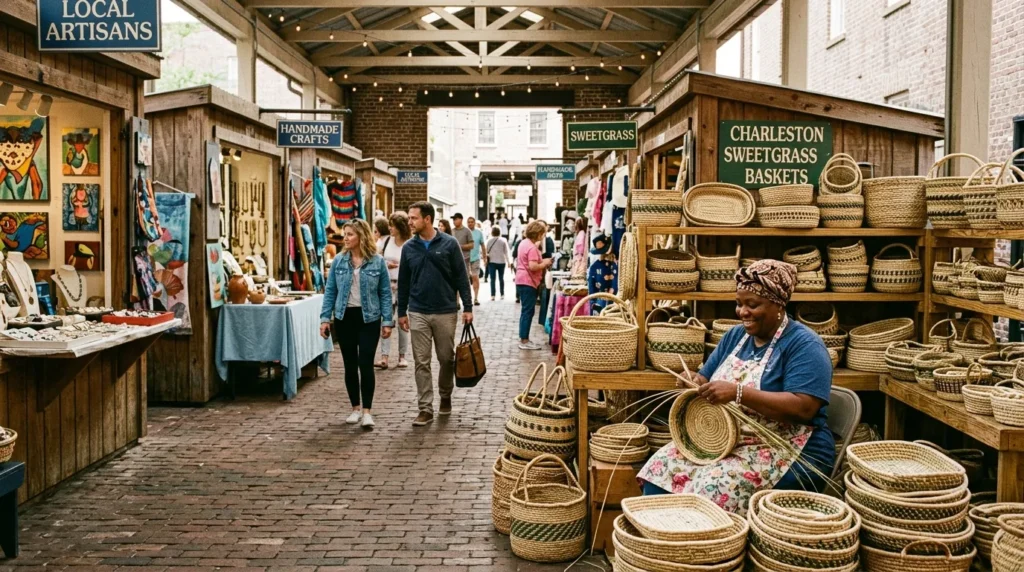
Next, walk to the Charleston City Market area for browsing and easy shopping. It’s a fun, low-effort stop where you can wander a few blocks, look at handmade goods, and pick up small souvenirs without committing to a long museum visit. Think of it as your “wander break” after the waterfront—easy walking, plenty of shade, and lots to look at. (Old South Carriage Company)
If you’re traveling with friends, this is also a good regroup point because it’s central and easy to find. Keep your purchases light since you’re walking. Grab something small to snack on, then continue toward the French Quarter nearby. The rhythm here is simple: browse a bit, don’t overplan, and save the big meal for lunch.
4) Day 1 Lunch: Lowcountry Classics (Shrimp & Grits Goal)
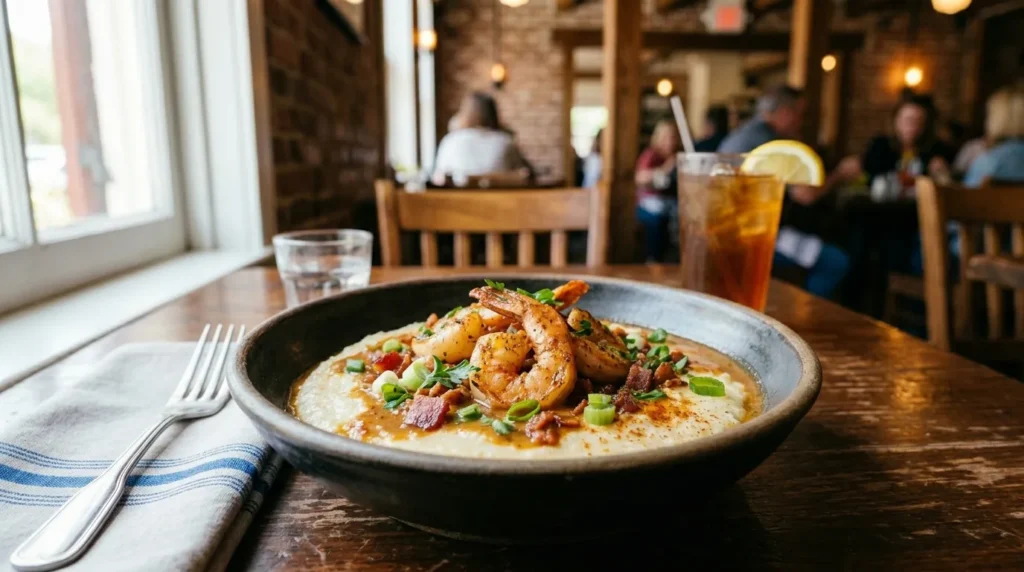
Make lunch your first “Charleston food moment.” Go for a Lowcountry staple like shrimp and grits, she-crab soup, or a fresh seafood plate. Midday is a sweet spot: you’ve walked enough to be hungry, but you’re not so tired that you’ll want to skip the fun. Choose a place near the Historic District so you can keep everything walkable and avoid wasting time in traffic.
After lunch, build in a short rest—Charleston heat can sneak up fast. Sit inside for a little longer, hydrate, and plan your next photo walk. If you want a dessert bonus, add a quick bakery stop on the way out. Your afternoon will feel smoother if you treat lunch like a reset, not a rushed stop.
5) Day 1 Afternoon: Rainbow Row + East Bay Street Photo Walk
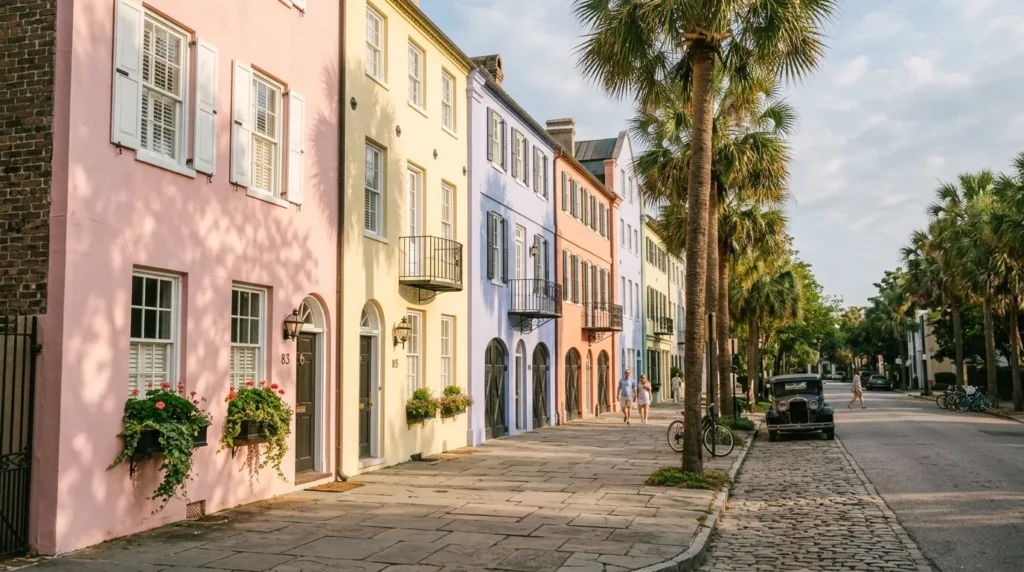
Now do one of Charleston’s most famous photo walks: Rainbow Row and the surrounding historic streets. The pastel homes are a quick stop, but the real magic is the wandering—take your time, look for hidden gates and cobblestone corners, and enjoy how every block feels cinematic. This is an easy walk from the waterfront area, so it fits perfectly into a relaxed Day 1 route. (Old South Carriage Company)
Keep your camera ready, but don’t stress about “perfect” shots. The best photos happen when you stroll slowly and let the light guide you. If it’s sunny, look for softer shade along side streets. This is also a great moment to switch from “tour mode” to “vibe mode”—fewer stops, more wandering, more atmosphere.
6) Day 1 Late Afternoon: The Battery + White Point Garden Sunset Walk
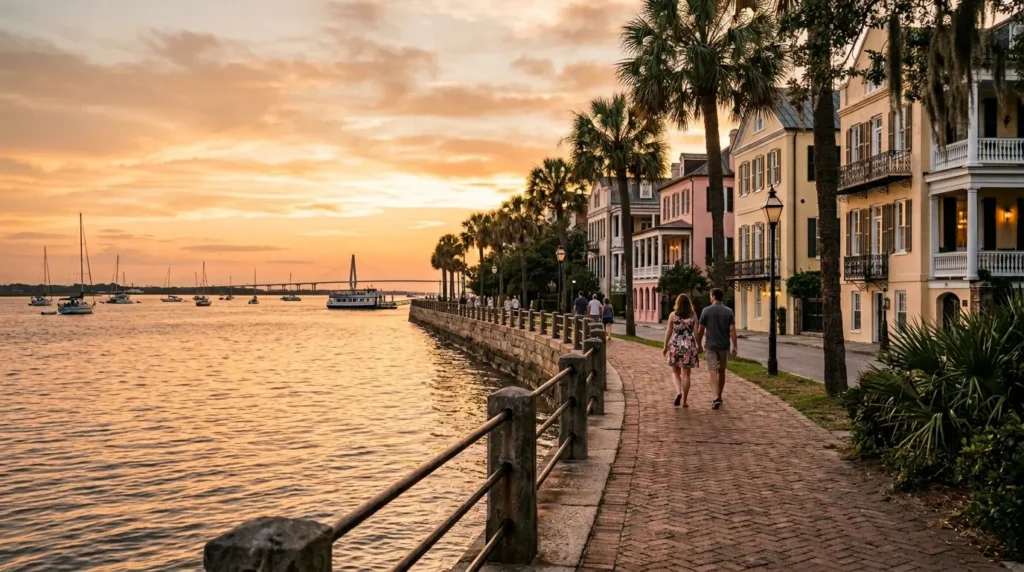
End the afternoon with a classic coastal walk along The Battery and through White Point Garden. It’s a calm, scenic loop with big views and a strong sense of history, but it doesn’t feel heavy or complicated—just stroll, pause, and enjoy the water. The light here gets especially pretty late in the day, which makes it ideal for sunset photos and a gentle pre-dinner reset.
Bring a light layer if the breeze picks up near the harbor. This walk also pairs nicely with a quick stop for a cold drink before dinner. If you’re tired, shorten the loop and simply sit for a bit—Charleston is still charming when you’re doing “less.” The goal is a peaceful finish, not a marathon.
7) Day 1 Evening: Aperitivo Hour + Easy Dinner Downtown
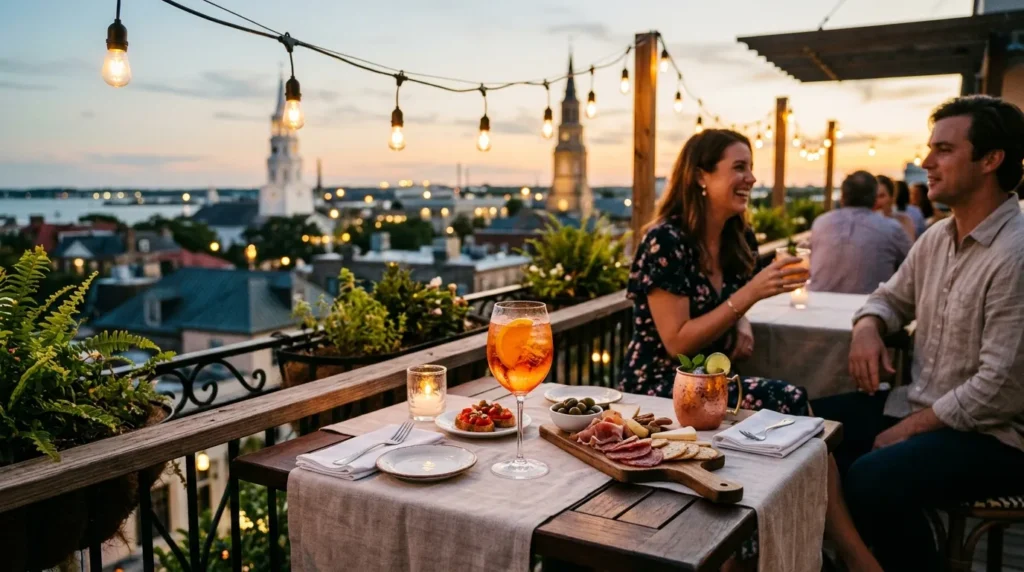
Make your first evening feel special with a casual aperitivo-style stop: a small cocktail (or mocktail) and a few bites before dinner. It’s a fun way to slow down and transition from sightseeing into nighttime. Choose a spot close to where you walked last (Battery or Historic District) so you don’t add extra driving. The best Charleston evenings feel unhurried.
For dinner, keep it simple and classic—something Southern, seafood-forward, or comfort-food friendly. If you’re doing multiple days of big meals, this is a great night to split plates or order lighter. After dinner, take a short walk to digest and enjoy the city at night. Charleston’s streets feel extra pretty under warm lights.
8) Day 1 Night Option: Ghost Tour or Historic Night Walk
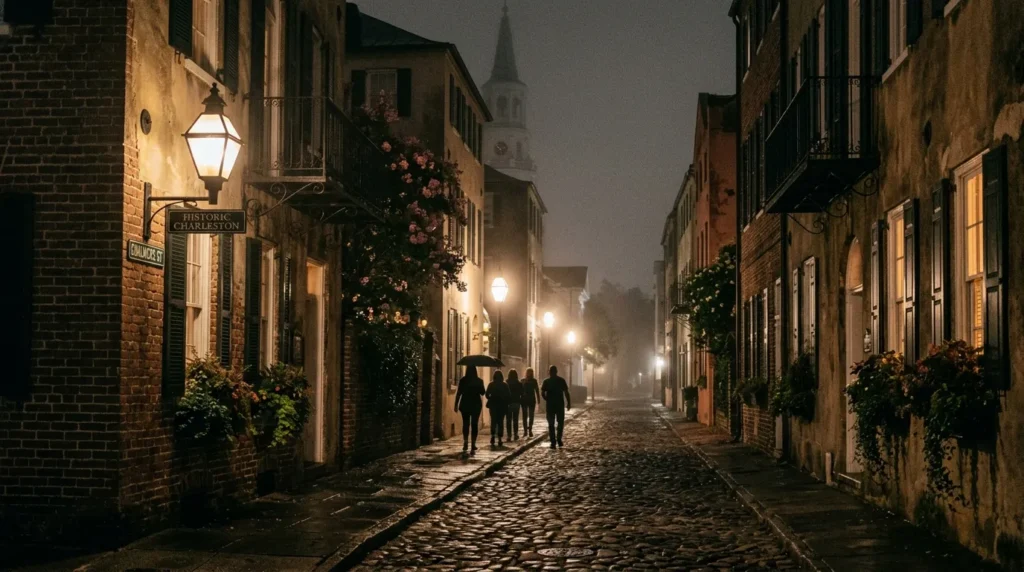
If you still have energy, add a night activity that’s mostly walking and storytelling. A ghost tour is popular, but even a self-guided stroll through the Historic District works—quiet streets, warm lamps, and a totally different mood than daytime. Keep it light and fun, and don’t feel like you have to do the longest tour. Your main goal is to end Day 1 with a memorable vibe.
If you’re tired, swap this for a dessert stop instead. Charleston is great for small “treat moments,” and it’s an easy way to celebrate finishing your first day. Either way, try to be in bed at a reasonable time—Day 2 has bigger history stops, and you’ll enjoy them more with real energy.
9) Day 2 Morning: Big Breakfast + Slow Start (Fuel for History)
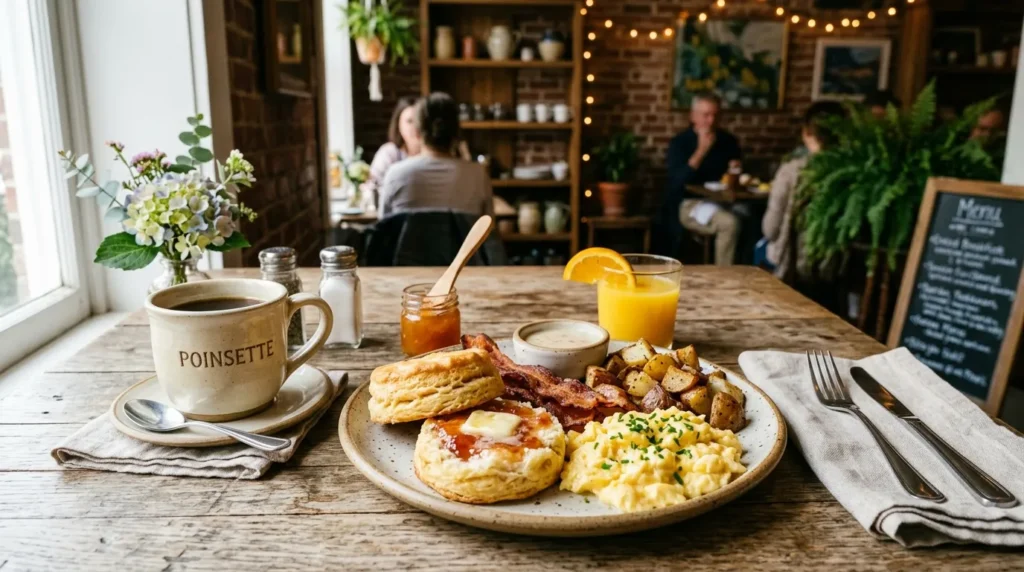
Start Day 2 with a solid breakfast because this is your most history-focused day. Pick a cozy café, order something filling, and plan your route while you eat. Charleston sightseeing feels easier when you’re not hungry every hour, and a strong breakfast gives you more freedom to explore without constantly hunting for snacks. Keep it near downtown so you can start walking immediately afterward.
After breakfast, take a short “architecture wander” toward your next stop. Charleston’s charm is in the small details—balconies, gates, shaded corners—so give yourself at least a little time to walk without a strict schedule. You’ll still get plenty done, but it won’t feel like you’re racing.
10) Day 2 Mid-Morning: Guided Walking Tour (History Without Guessing)
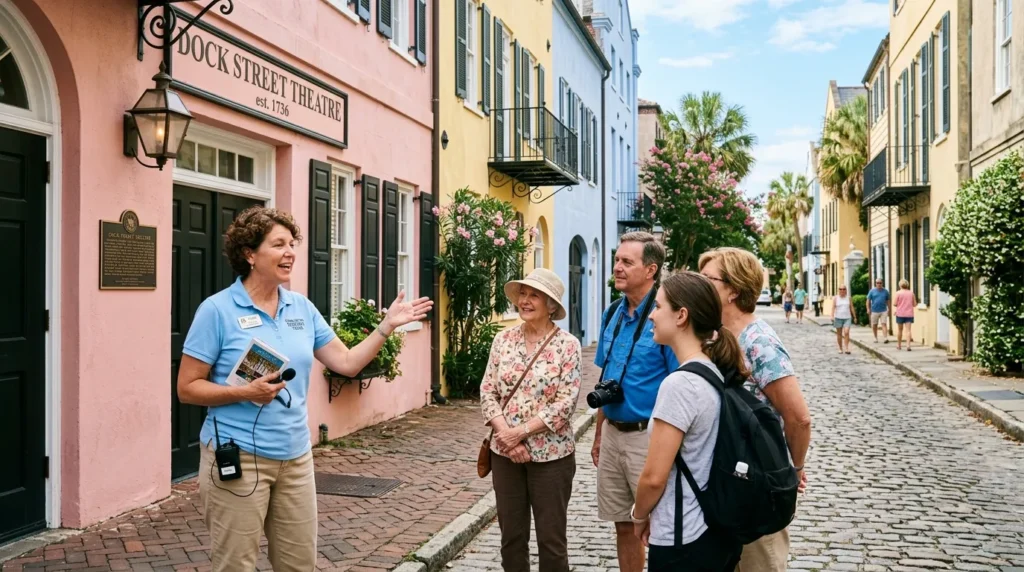
A guided walking tour is one of the easiest ways to understand Charleston fast. You’ll cover key streets and landmarks without constantly checking maps, and the stories make everything you saw on Day 1 feel deeper. Choose a daytime tour that focuses on history and architecture, and keep it at a pace that feels comfortable—Charleston is best when you’re not sprinting.
After the tour, you’ll know which areas you want to revisit for photos or shopping later. Take a quick break—water, shade, and maybe a small snack. Then move into your “big history” stop for the day. The tour acts like a bridge: it turns pretty views into meaningful context, and that makes the rest of your itinerary feel richer.
11) Day 2 Late Morning: Old Exchange Area + Short Historic Stops
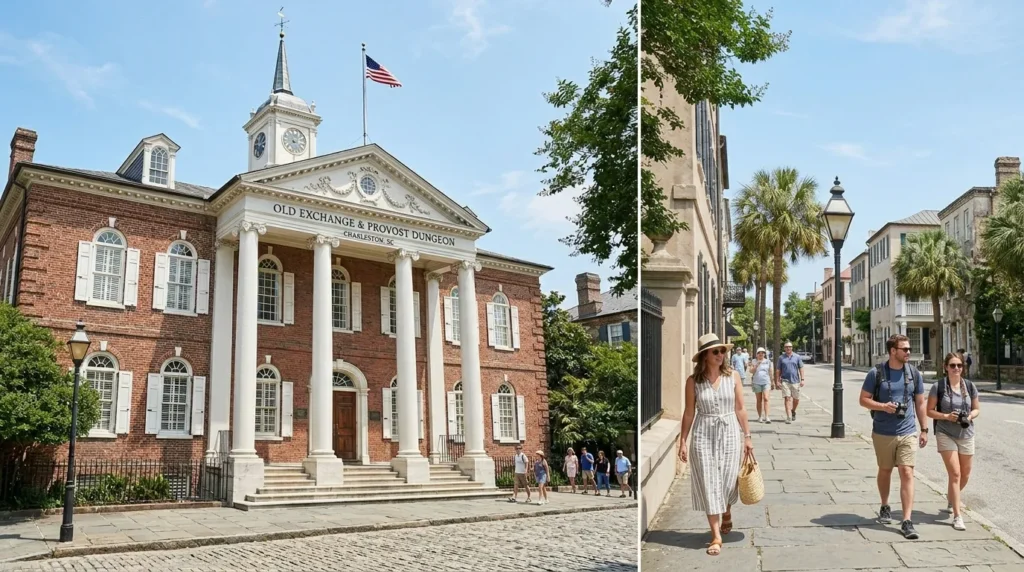
Next, do a cluster of shorter history stops downtown rather than one long museum marathon. This keeps your day walkable and helps you avoid decision fatigue. Focus on a few nearby landmarks and let your curiosity guide you—Charleston rewards slow wandering. If you’re into photography, this is also a great time to capture quieter street scenes before lunch crowds pick up.
Keep this section flexible. If a line is long or you’re not feeling it, skip it and move on—your trip will still be great. The win here is the “historic atmosphere” more than one specific building. You’re building a Day 2 storyline: learning the city, then seeing the harbor history next.
12) Day 2 Midday: Harbor Views + Relax Break (Shade + Breeze)
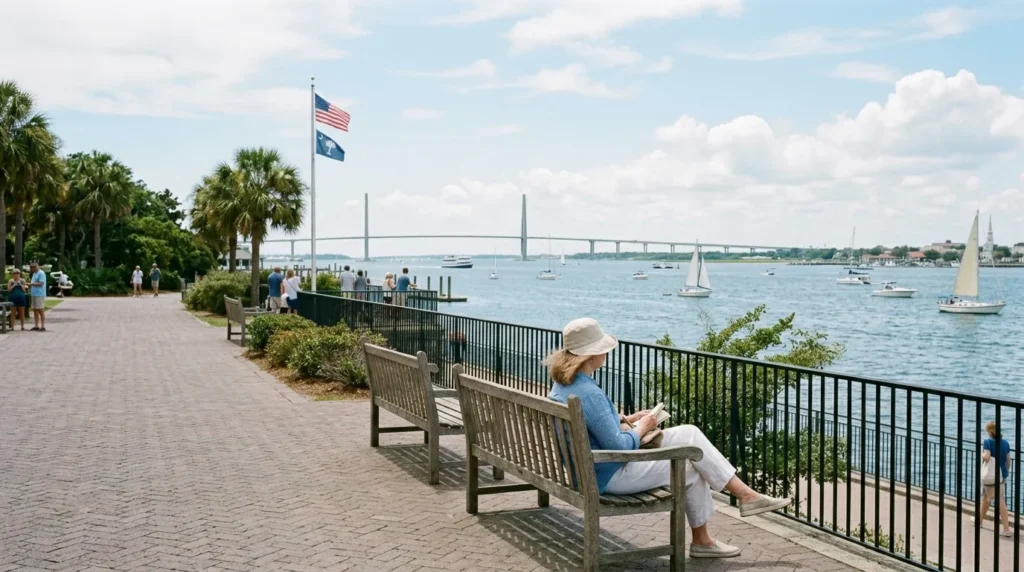
Before you commit to your afternoon activities, take a short harbor break. Charleston’s heat and humidity can make a packed schedule feel harder than it looks on paper. Find a shaded spot near the water, sit for 15–20 minutes, and treat it like part of the itinerary—not wasted time. Your energy will thank you later, especially if you’re doing a ferry or a longer history excursion.
Use this moment to plan lunch and confirm any timed tickets or tours. If you’re traveling with family, it’s also a good reset point for everyone. Keep the vibe relaxed: water, sunscreen touch-up, quick snack, and then you’re ready for the biggest “history hit” of Day 2.
13) Day 2 Early Afternoon: Fort Sumter Ferry (Signature History Stop)
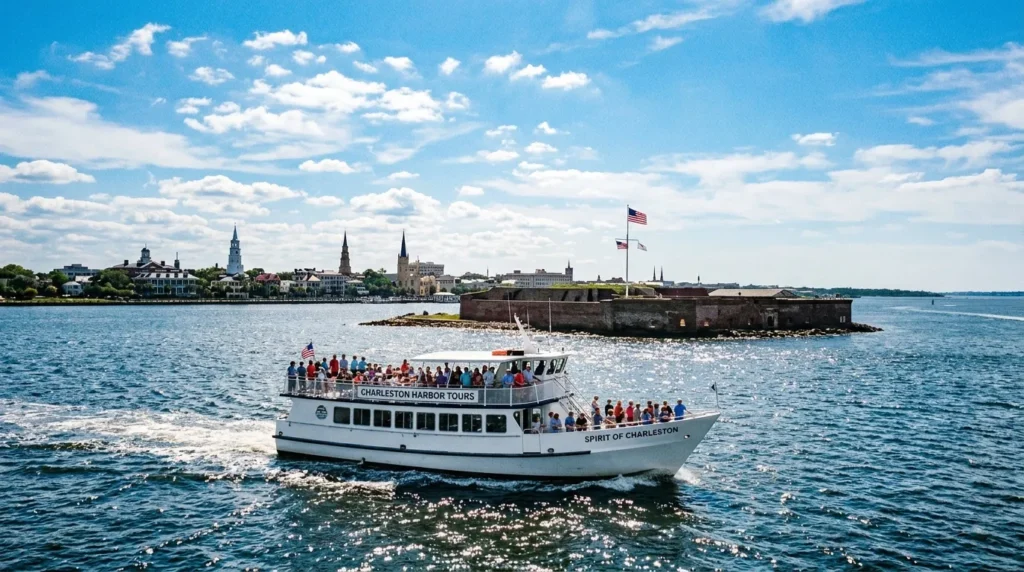
If you want a true “Charleston history” moment, Fort Sumter is a strong choice. The ferry ride makes it feel like an experience, not just another site, and it gives you a fresh view of the city from the water. Plan for a few hours total and keep the rest of your day lighter afterward so you don’t feel rushed or exhausted.
Bring water, sun protection, and a light layer for wind on the boat. If you’re not a deep history person, you can still enjoy this for the harbor views and the sense of place. Afterward, don’t overschedule. You’ve done a big activity—give yourself permission to keep the next stop simple and low-effort.
14) Day 2 Alternative: Patriots Point + USS Yorktown (If You Skip Fort Sumter)
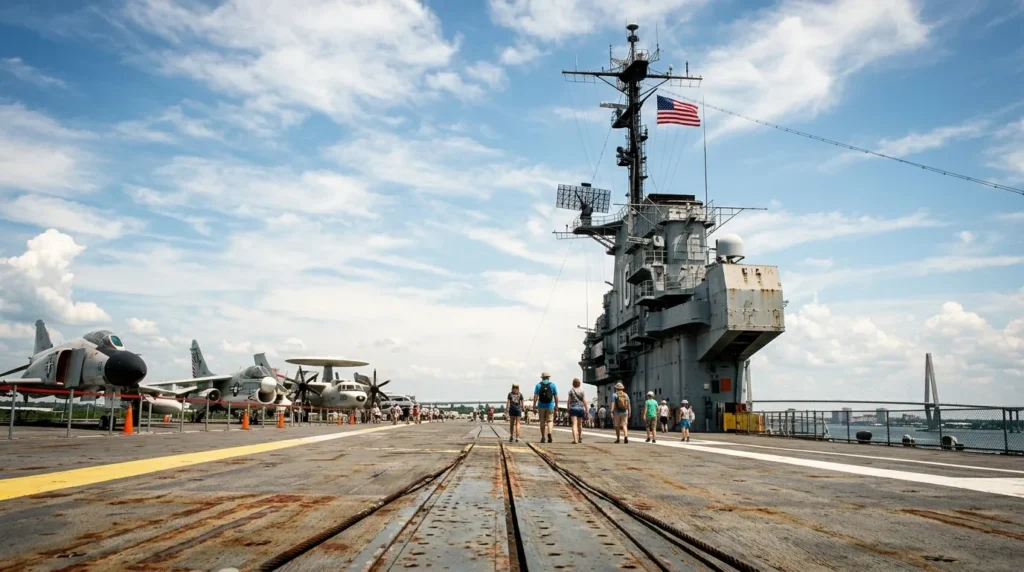
If Fort Sumter doesn’t fit your timing, swap in Patriots Point and the USS Yorktown for a different style of history. This is great for travelers who like big visuals and hands-on exhibits. It’s also a nice “change of pace” from walking neighborhoods because it feels more like an immersive visit rather than a stroll.
Plan for a few hours, then return to downtown for food and a calmer evening. This option pairs well with a waterfront dinner afterward because you’ll be ready to sit. Keep your shoes comfortable—there’s more walking than you think on a ship museum. If you’re with kids or a group, this can be a crowd-pleaser.
15) Day 2 Lunch: Seafood Moment (Oysters or She-Crab Soup)
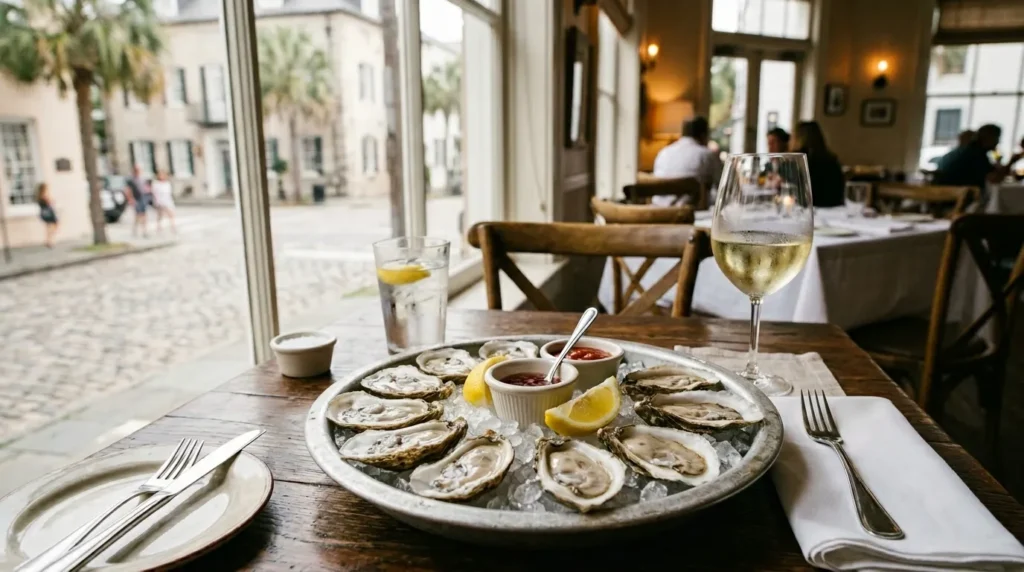
Make lunch a Charleston seafood moment—oysters, shrimp, crab, or a warm bowl of she-crab soup. This is a great day to lean into Lowcountry flavors because you’ve already done a lot of history, and food keeps the day fun. Choose a spot that feels relaxed and doesn’t require dressing up. You want comfort, shade, and a little time to sit.
After lunch, do a short walk (even just 10 minutes) to help reset your body after a bigger meal. Then decide how your afternoon feels: gardens and nature, shopping, or a slower café crawl. Day 2 can be intense if you cram it, so use lunch as a pivot point toward something calmer.
16) Day 2 Afternoon: Magnolia Plantation & Gardens (Nature + Beauty)
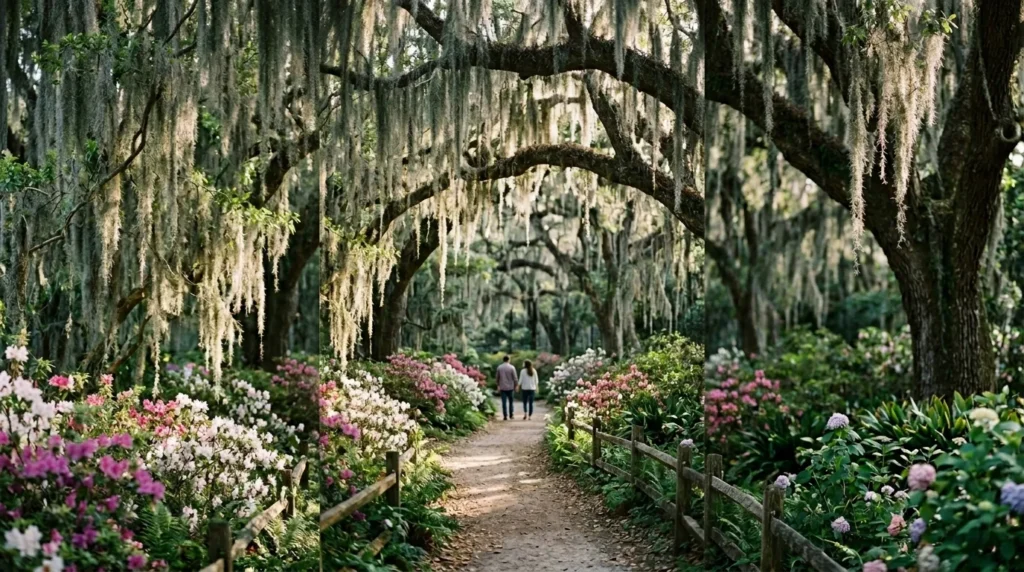
For an afternoon that feels peaceful, add a plantation garden visit like Magnolia Plantation & Gardens. It gives you a different side of the region—lush landscapes, shaded paths, and a slower rhythm that balances downtown’s busy streets. You’ll get lots of photo opportunities without needing an intense schedule, and the walking here feels gentle compared to city sightseeing. (Magnolia Plantation & Gardens)
Keep the rest of your afternoon light. Aim to wander gardens, take photos, and enjoy being outside rather than trying to “cover everything.” Bring bug spray and water, and wear shoes you don’t mind getting a little dusty. After this, head back for a relaxed dinner—your day will feel full, but not overwhelming.
17) Day 2 Alternative Gardens: Middleton Place (History + Landscaped Views)
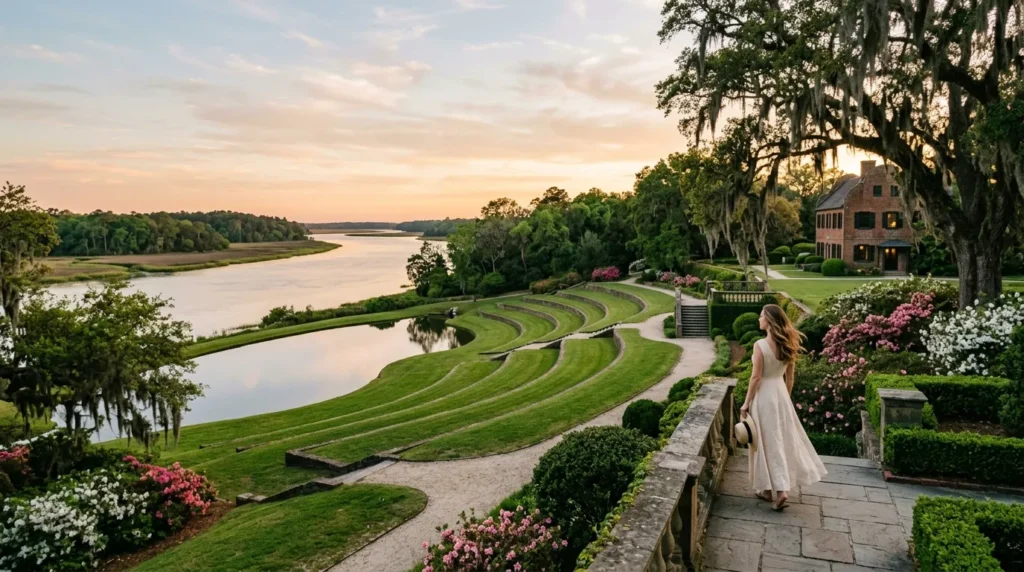
If you prefer a garden stop with a strong historic feel, consider Middleton Place. It’s known for its landscaped grounds and makes for a beautiful, slower afternoon that still fits the “history” theme of your trip. The setting feels classic and peaceful, and it’s a great way to step away from downtown while still staying connected to the region’s story. (middletonplace.org)
Plan to spend a few hours and keep your expectations realistic—this is about atmosphere, not rushing. The walkways and views are the highlight, so prioritize the outdoor time if the weather is nice. Afterward, head back to town for aperitivo and dinner. You’ll feel like you’ve experienced Charleston beyond the peninsula, without turning it into a stressful day trip.
18) Day 2 Evening: Shem Creek Sunset + Casual Dinner (Easy, Breezy)
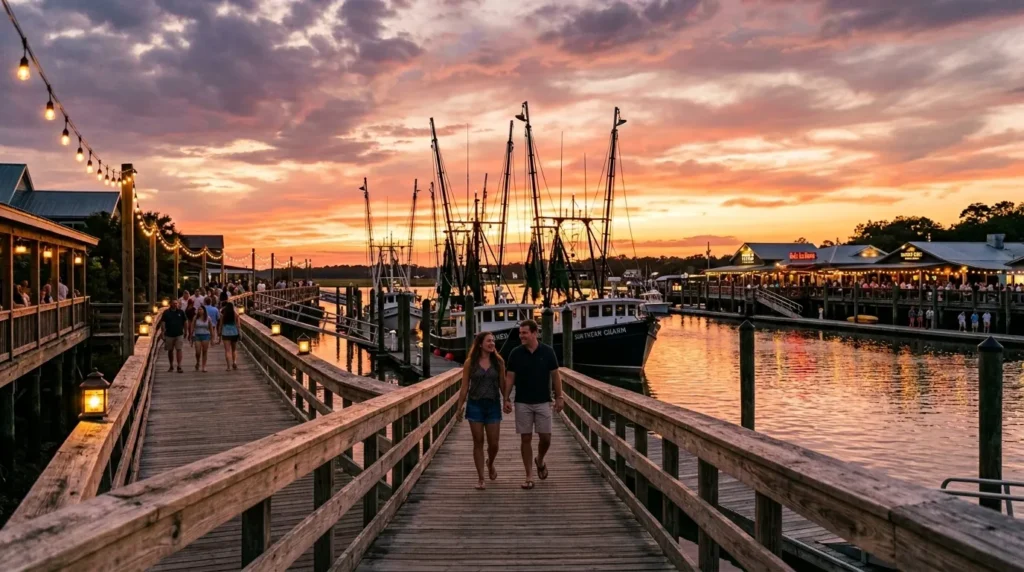
For Day 2 dinner, go for a waterfront vibe like Shem Creek in Mount Pleasant. It’s relaxed, scenic, and perfect after a history-heavy day. The walk along the boardwalk is easy and feels like a mini activity on its own. Arrive around sunset for the best light and the prettiest “end of day” mood—Charleston sunsets really deliver.
Order something simple and local—seafood is a natural choice here—and keep the night unhurried. If you want a final stop, grab ice cream or a small dessert and take a short stroll. This evening option is ideal when you want atmosphere without planning another full itinerary block.
19) Day 3 Morning: Brunch + “Pick Your Pace” Planning
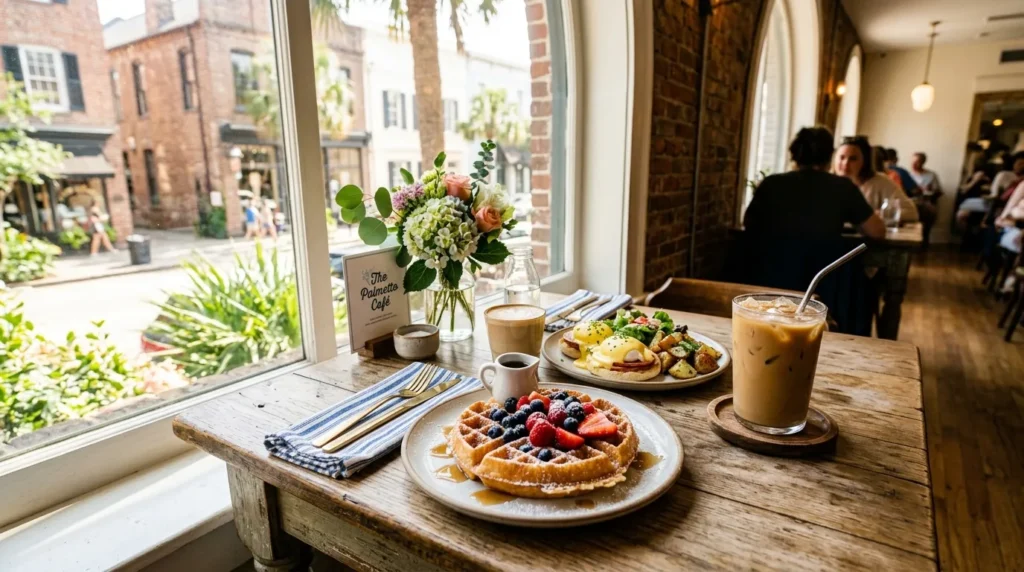
Start Day 3 with brunch and decide what kind of finale you want: more history, more food, or more nature. Charleston is flexible, and your best Day 3 will match your energy. Brunch is also a nice “reward” after two active days—sleep a bit, eat well, and then choose one big activity plus a few small ones.
Use brunch to map out your walking zones. If you’re staying downtown, keep the rest of your morning centered in one area so you’re not bouncing around. Day 3 works best as a “greatest hits + favorites” day: revisit what you loved, fill gaps gently, and save time for a calm farewell meal.
20) Day 3 Late Morning: French Quarter Wandering + Hidden Alleys
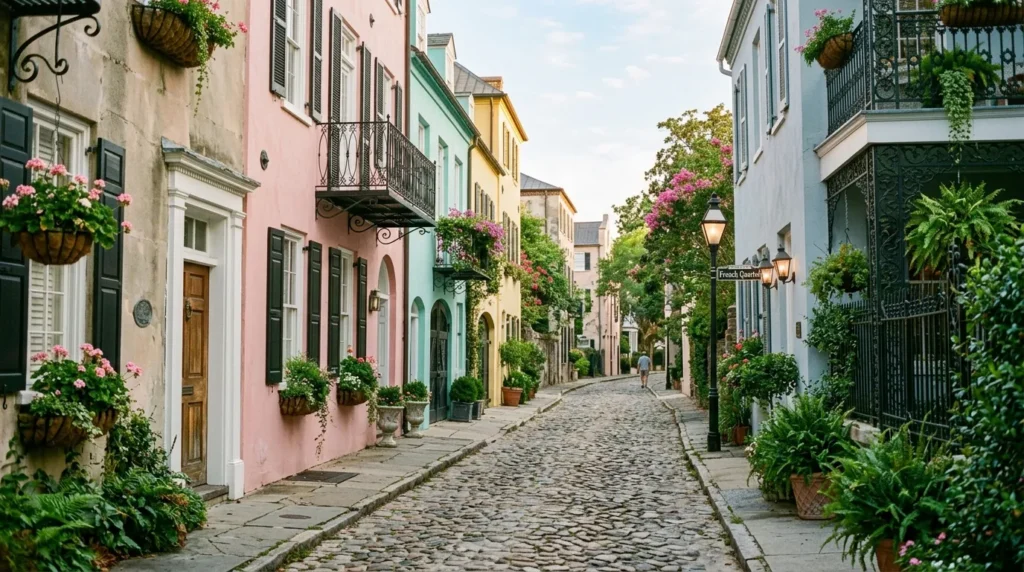
Spend late morning doing a French Quarter wander—this is where Charleston feels especially charming on foot. Focus on small streets and side alleys rather than big “must-do” stops. The joy is in the details: shutters, iron gates, textured walls, and quiet corners that look like movie sets. Keep your pace slow, and stop whenever a photo moment appears.
This is also a good time for small galleries or quick boutique browsing. If you get tired, add a café stop and sit for a while—Charleston rewards people who pause. By keeping this part of Day 3 flexible, you’ll still see a lot, but you won’t feel like you’re racing a checklist.
21) Day 3 Midday: Choose-One Museum (Keep It Light)
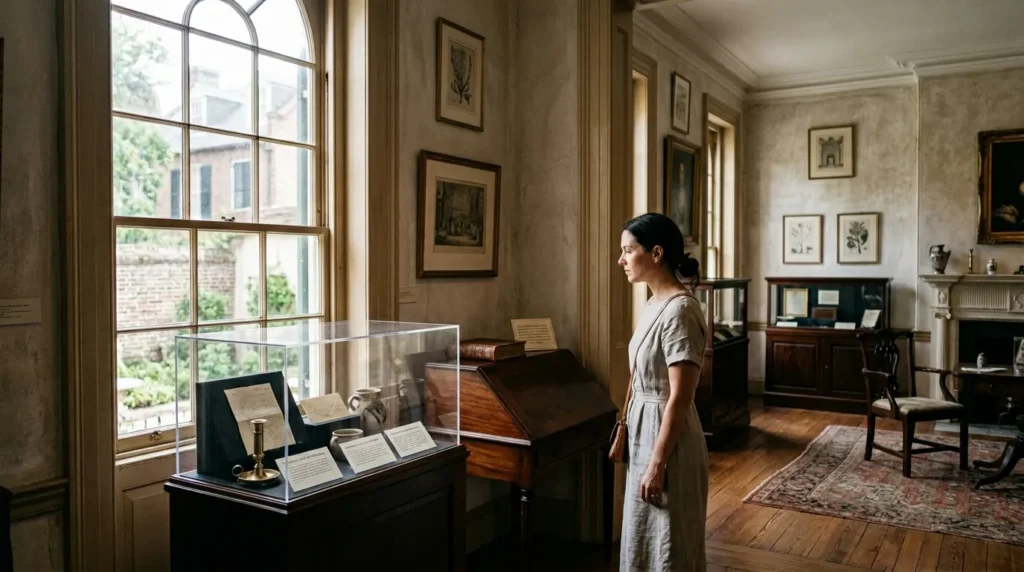
Pick one museum or historic home to anchor your midday, but keep it to just one. This strategy prevents burnout and makes the visit feel meaningful instead of rushed. Choose based on your interests—art, local history, or architecture—and plan around your attention span. If you love museums, you can always add a second small stop, but start with one solid choice.
After the museum, do a short walk outside to reset. Grab water, snack, and let your feet breathe. Day 3 should feel balanced: a bit of learning, a bit of strolling, and a lot of enjoying. Don’t stack too many indoor activities back-to-back—Charleston’s outdoor atmosphere is half the point.
22) Day 3 Afternoon Option A: Folly Beach Easy Walk + Ocean Air
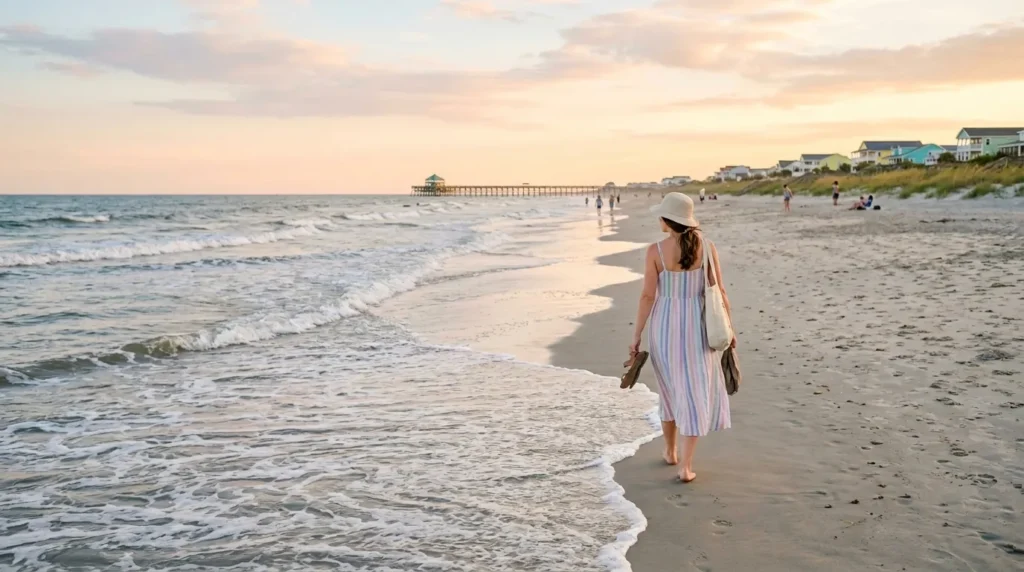
If you want a “fresh air” finale, head to Folly Beach for a simple shoreline walk. It’s an easy way to shift from historic streets to ocean views, and it gives your trip a relaxed ending. Keep it uncomplicated: beach walk, a cold drink, and a little time to sit and do nothing. Sometimes that’s the best part of a three-day getaway.
Bring a light cover-up, sunscreen, and water. If you’re hungry, pick a casual spot nearby rather than scheduling a big meal. This option is perfect if Day 1 and Day 2 felt full—you’ll still feel like you experienced Charleston, but you’ll end with calm energy instead of exhaustion.
23) Day 3 Afternoon Option B: Angel Oak Tree + Quick Nature Stop
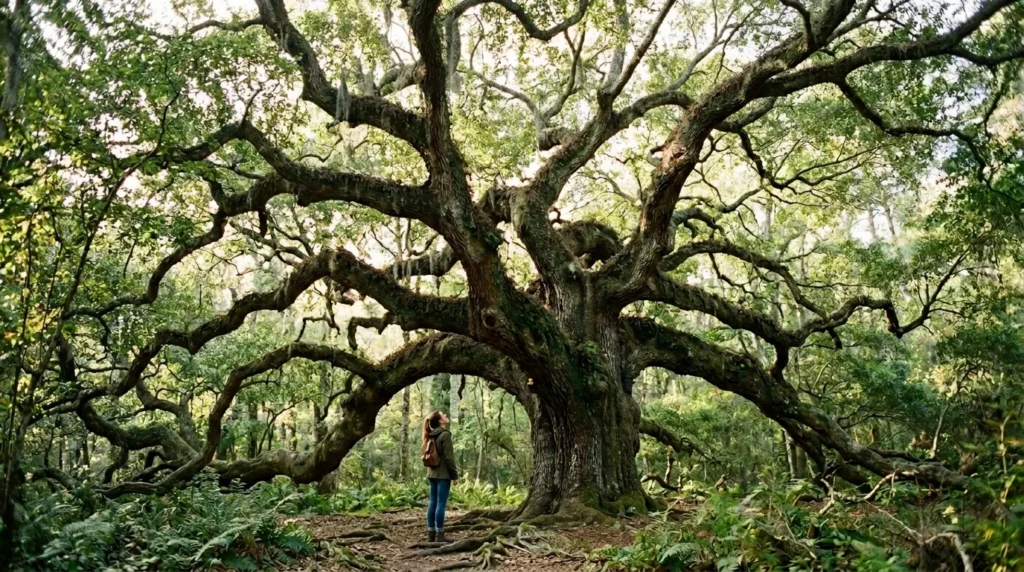
If you want a memorable “only-in-Charleston” nature moment, consider visiting the Angel Oak Tree. It’s a short stop that feels big and special, and it’s perfect for Day 3 because it doesn’t require a long schedule. You can take photos, walk around slowly, and enjoy a quiet break away from downtown crowds.
Pair this with a simple snack or a casual café stop afterward. Keep expectations simple: it’s not a full-day activity—it’s a powerful moment. Day 3 works well when you choose experiences that feel high-impact but low-stress, and this is exactly that kind of stop.
24) Day 3 Late Afternoon: Final Shopping Loop (Sweetgrass + Gifts)
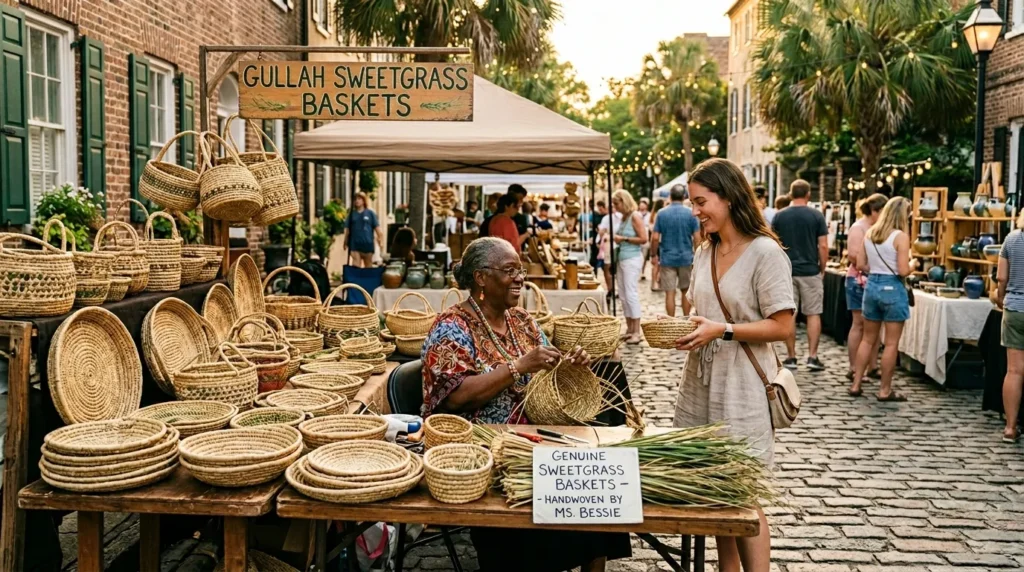
Use late afternoon for your final shopping loop: small gifts, local crafts, and anything you bookmarked earlier. This is when having walked the city for two days pays off—you already know what you like, and you’re not impulse-buying under Day 1 excitement. Keep it simple: one area, a short list, and a “ship it or carry it” mindset so you don’t overload your luggage.
If you already visited the market, revisit your favorite shops on King Street or nearby streets instead. Build in time for a coffee break so shopping doesn’t feel like a chore. The goal is a relaxed finish: pick up meaningful items, not random clutter.
25) Farewell Night: Best-Of Dinner + Dessert Walk
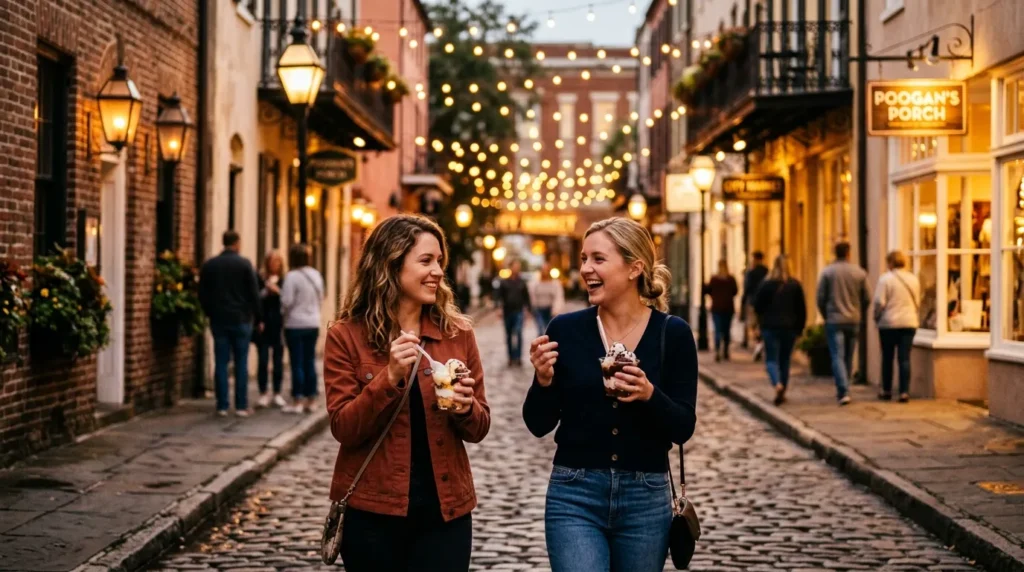
Finish your 3-day trip with one “best-of” dinner—either your favorite cuisine from the trip or a special restaurant you saved. Charleston nights are made for lingering meals, so don’t rush. Order something you didn’t try yet, share plates if you can, and treat it like a celebration of your three days. This is your final memory-maker, so pick atmosphere as much as food.
After dinner, do a short dessert walk—ice cream, a bakery treat, or a simple sweet coffee. Keep the route easy and scenic. Even 15 minutes of strolling under warm lights makes the city feel magical. It’s the perfect ending: full belly, slow steps, happy photos.
