

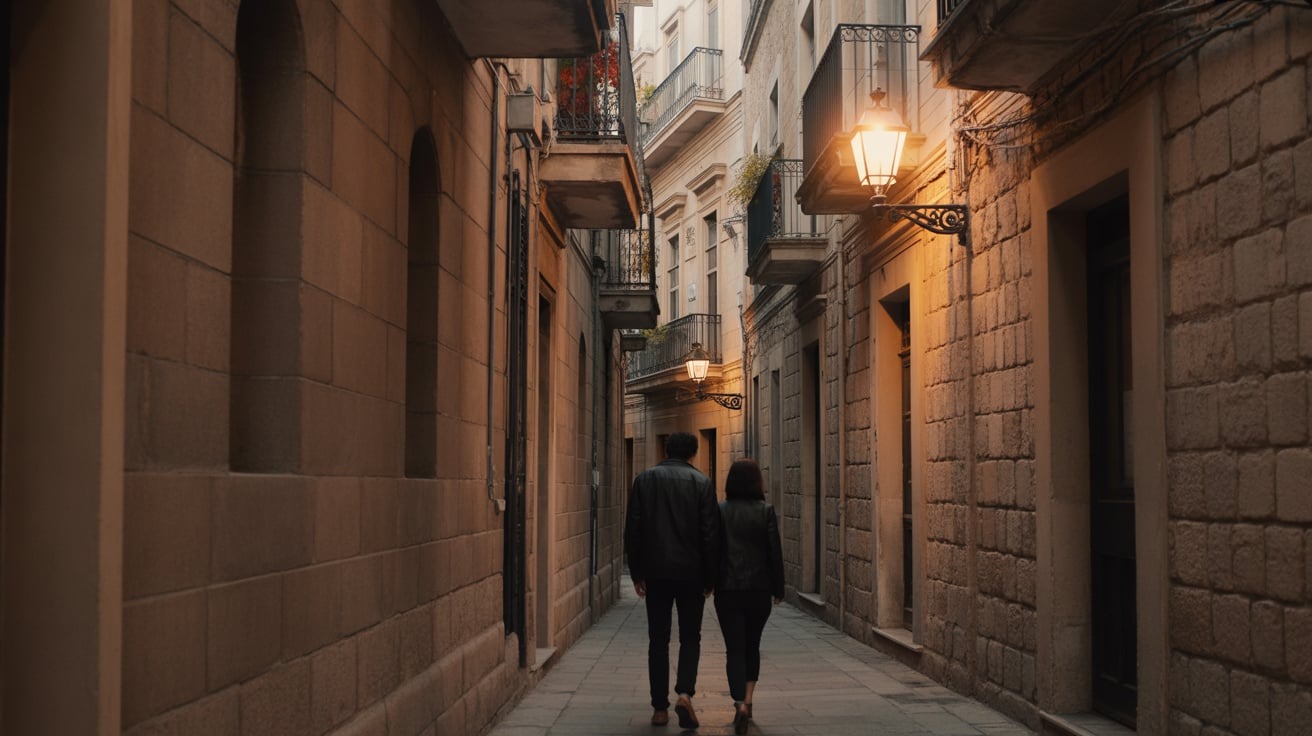
1) Mercat de la Boqueria (Food Market)
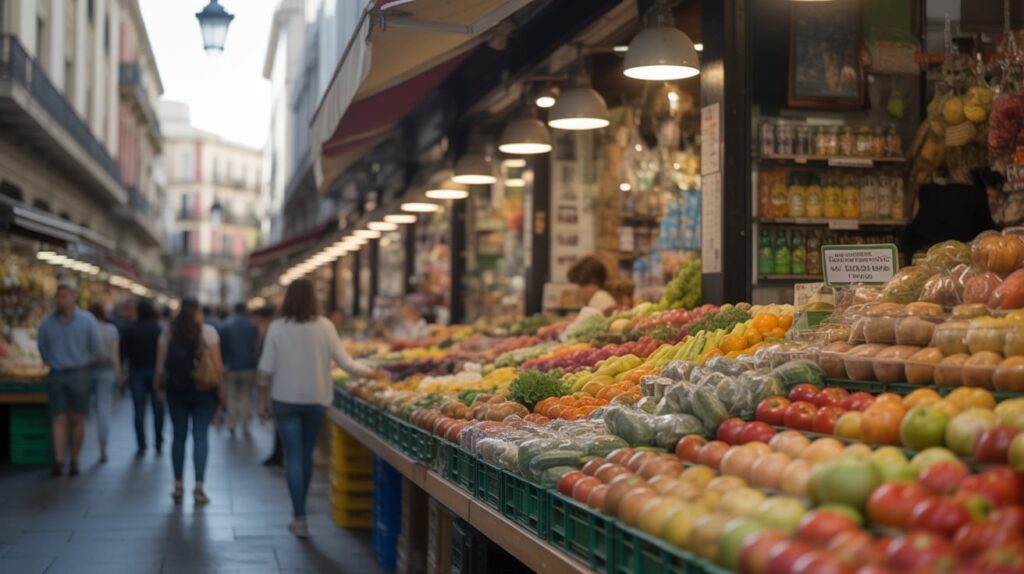
Start early for the clearest photos and the calmest walk through the aisles. The market sits right off La Rambla, so it fits easily into a Day 1 route. Go in with one goal: a few fresh bites, a quick drink, and a slow loop for details like tile signs, stacked fruit, and the iron structure overhead. The official market hours list Monday–Saturday opening, which helps with planning. (boqueria.barcelona)
Keep this stop short and focused so the market stays fun instead of overwhelming. Take wide shots near the main entry, then switch to close-ups of fruit pyramids and seafood counters. If you want a sit-down moment, pick one bar counter and order one simple item rather than grazing from stall to stall. The best market photos come from patience, not speed, so pause and wait for clear frames.
2) La Rambla Morning Walk (Classic Boulevard)
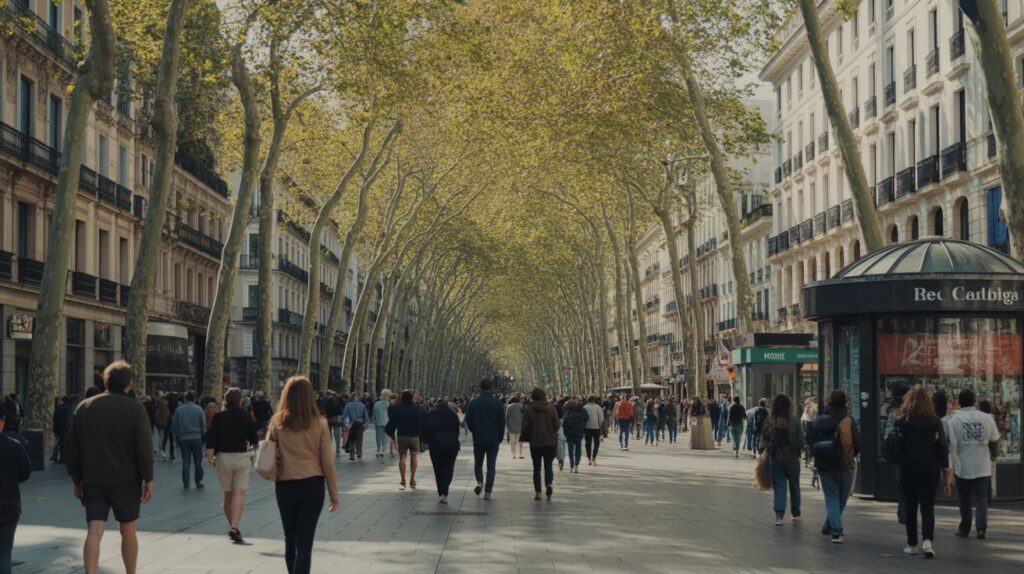
Use La Rambla as a connector, not as a long “activity.” Walk it early while the light feels soft and the sidewalks feel open. This stretch works as a moving photo set: tall trees, patterned pavement, and quick side views into historic streets. It’s also the easiest way to reach Boqueria and the Gothic Quarter in one clean line without extra planning.
Keep your route simple: start near Plaça de Catalunya and walk down to the market entrance, then turn off into side streets before the boulevard gets crowded. Photos look best when the frame includes the tree tunnel overhead and the walkway lines leading forward. This is also a good place for quick “outfit + suitcase” travel shots if you arrive the same morning.
3) Plaça Reial (Palm Trees + Arches)
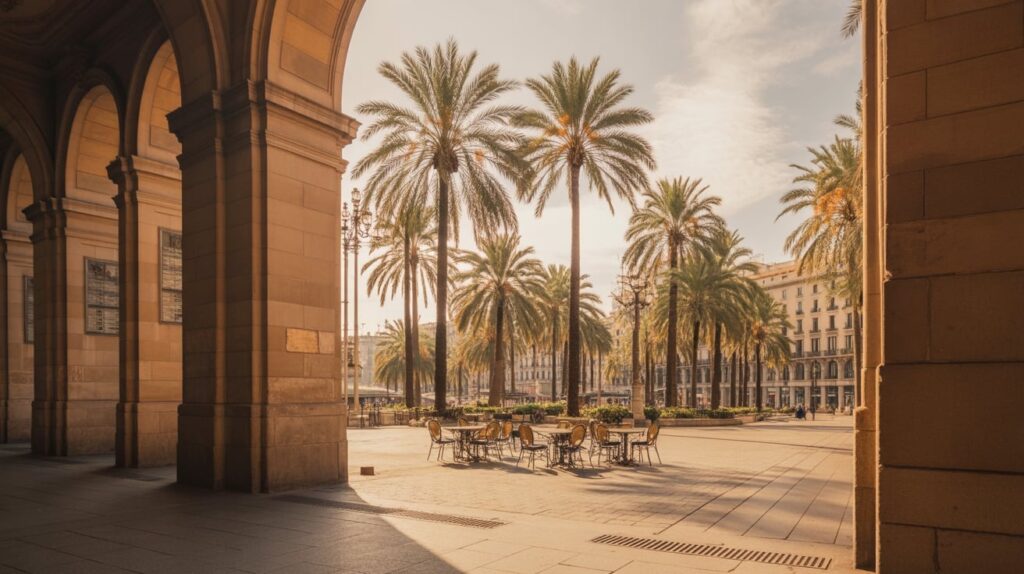
Plaça Reial is a quick win because it feels like a hidden room off La Rambla. The arches, palm trees, and symmetrical lamp posts create strong lines for photos that look “Barcelona” without requiring a long detour. It’s also easy to pair with a Gothic Quarter walk since the streets around it lead straight into older lanes and small plazas.
Go mid-morning for balanced light under the arches, then return after sunset if you want a moodier look. Frame shots through archways to add depth, and use the palm trees as a clean vertical element. This stop works best as a 15–25 minute pause: enough time for photos and a drink, without turning into a long sit that steals time from the main sights.
4) Gothic Quarter Alley Loop (Stone Streets + Tiny Plazas)
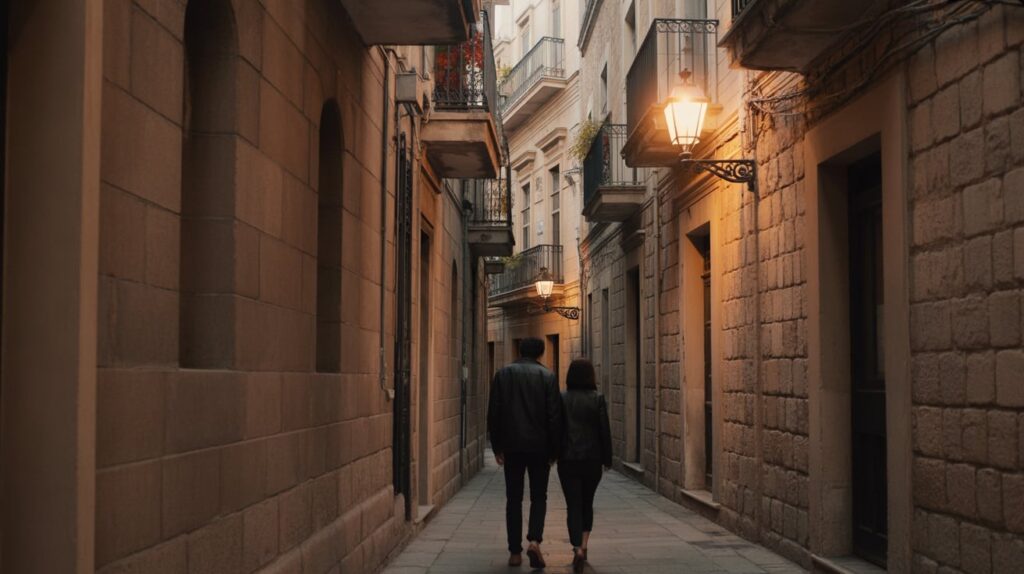
The Gothic Quarter is a “choose-your-own-path” zone, so treat it like a loop with photo goals. Look for stone corridors, quiet doorways, and tiny squares that open suddenly after a narrow turn. The area rewards slower walking because the best frames appear in side angles and details, not in main intersections. This stop also supports a market-to-waterfront day because it sits between La Rambla and El Born.
Keep your camera ready for quick shifts between shade and sun. Photos feel strongest when you capture contrast: bright slashes of light on old stone, or silhouettes at the end of an alley. A simple route is better than a long one here, because every street looks tempting. Mark a few favorite corners, then move on before the maze effect eats your schedule.
5) Barcelona Cathedral Area (Historic Focus Point)
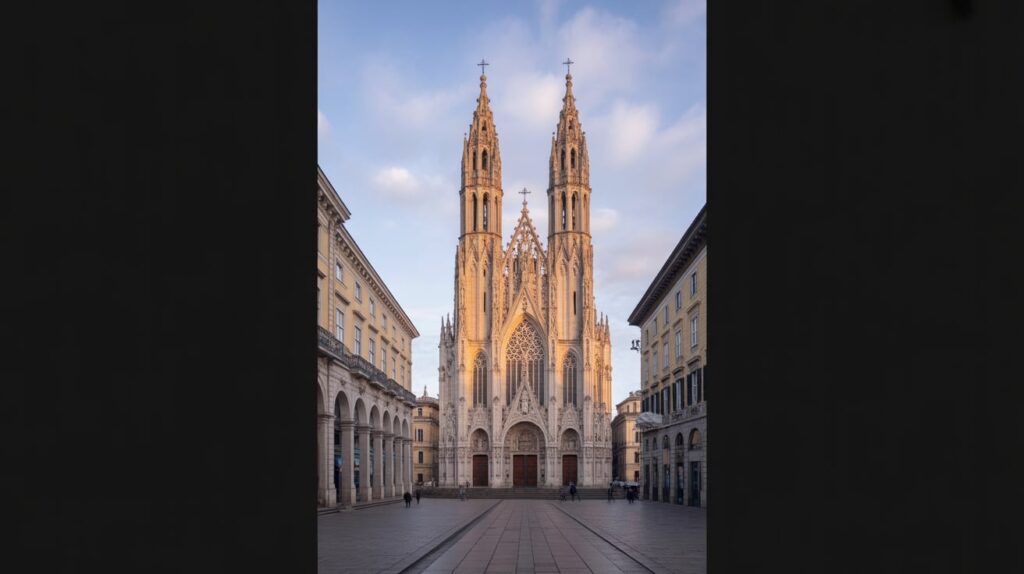
Use the cathedral zone as your “anchor” for the Gothic Quarter. The open square gives breathing space after tight alleys, and the façade provides a clean background for portrait-style photos. The surrounding streets offer quick variations: stone stairways, old shop signs, and quieter pockets that feel local when the main lanes get busy.
Plan a short pause here to reset the day pace. Grab a simple drink nearby and watch how the light changes across the stone. For photos, step back for a full façade frame, then move in for detail shots like carvings and gates. This stop pairs well with Palau de la Música later, because both deliver high-impact architecture in a manageable time window.
6) Palau de la Música Catalana (Modernisme Interior)
This is one of the most photogenic interiors in the city, especially if you like stained glass and layered ornament. A guided visit fits neatly into Day 1 because it sits close to the old-town areas and breaks up walking with a seated, indoor moment. The official guided tour schedule provides a clear planning window for morning-to-afternoon visits. (Palau de la Música Catalana)
For photos, focus on upward angles: ceiling details, arches, and balcony curves. Interiors look best when you shoot “clean,” keeping the frame centered and symmetrical. Outside, the surrounding streets also give good modernist façade shots that feel different from Gaudí stops. Treat this as a highlight stop rather than a long museum day, then continue into El Born for food and neighborhood walking.
7) El Born Neighborhood Walk (Boutiques + Streets)
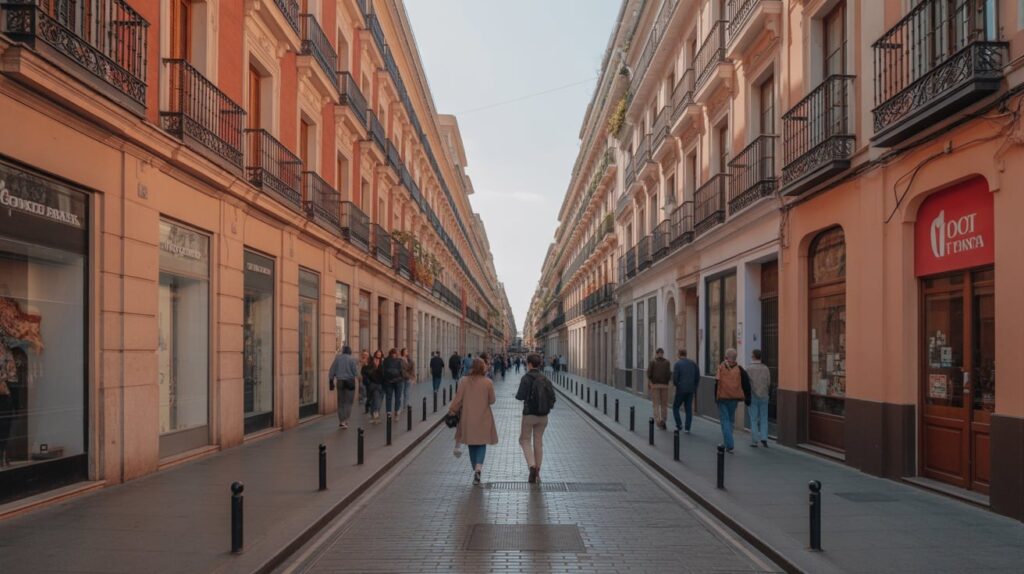
El Born works as a calm middle chapter: not a single monument, but a vibe. The streets feel walkable, the corners feel photo-ready, and the area connects easily to markets and the park. It’s a smart place to schedule a relaxed lunch because the neighborhood supports slow wandering without needing timed tickets.
Keep your walk simple: aim for a few signature streets, then let the neighborhood fill in the rest. Photos look best when you capture daily movement—people walking, small café tables, and shadows across old façades. This is also a good place for “tapas stops” because you can snack lightly without turning the day into one long meal. Save time for Santa Caterina Market next.
8) Mercat de Santa Caterina (Colorful Roof + Local Feel)
Santa Caterina is a market stop that doubles as an architecture photo stop. The roof creates a recognizable Barcelona image, especially when you frame it with surrounding streets. It’s also useful for a slower, less tourist-heavy market mood compared to Boqueria. The market’s published opening hours help you slot it into a Day 1 afternoon loop. (Mercat de Santa Caterina)
Inside, focus on stalls that show everyday ingredients: olives, cheeses, seasonal fruit, and bakery counters. Take a few detail shots, then move on before you turn it into a second long market visit. This stop pairs perfectly with El Born because the walk between them feels short and scenic. Afterward, head toward Ciutadella Park for greenery and open-space photos.
9) Picasso Museum Area (El Born Culture Pocket)
Even without a full museum visit, the area adds a cultural tone to your Born walk. The surrounding streets have classic stone buildings and small squares that photograph well, especially in midday shade. This stop works best as a “pause point” between market snacking and park walking, giving your day a calmer rhythm.
If you go inside, keep it tight: choose a few rooms and leave time for the rest of the route. If you stay outside, focus on architectural textures—stone walls, iron balconies, and courtyard angles. This is also a good place for a quick coffee that feels more local than the main tourist corridors. Next, continue to Ciutadella Park for open space and fountain shots.
10) Parc de la Ciutadella (Green Break + Lake)
Ciutadella gives your feet a break from stone streets and delivers easy, bright photos. The paths are wide, the greenery feels refreshing, and the park layout supports a casual loop. It’s a smart place for a quick snack break because benches and open areas make it comfortable. The park also sets you up for nearby highlights like the Cascada fountain and Arc de Triomf.
Walk slowly and look for long leading lines: paths, rows of palms, and reflections on the lake. Park photos look best when you include a little movement—cyclists, people rowing, or couples walking. Keep the stop balanced: enough time to enjoy the calm, but not so long that it steals time from the waterfront portion of Day 1.
11) Cascada Monumental (Ciutadella Fountain Photos)
The Cascada Monumental is a classic “big fountain” photo moment inside Ciutadella Park. It adds a dramatic architectural scene to a day that otherwise leans toward alleys and markets. The scale helps your Barcelona photo set feel varied: tight street frames earlier, wide monumental frames here.
For the best angles, step back to include the full structure, then move closer for statues and water details. If the area is crowded, aim for side angles that hide the densest foot traffic. This stop also transitions nicely toward Arc de Triomf, keeping your route moving in one direction. Treat it as a short, high-impact photo stop rather than a long hangout.
12) Arc de Triomf (Bold Landmark + Symmetry)
Arc de Triomf is simple, iconic, and easy to photograph because the scene gives built-in symmetry. The walkway leading toward it creates a natural “map pin” feel for your itinerary. It’s also a good place to capture a clean portrait shot with a recognizable background, without needing ticket lines or timed entry.
Go for centered shots first, then try an offset angle that includes palm trees and street life. If you want motion, photograph cyclists or walkers passing through the frame. This stop is also a helpful navigation point: from here, you can head toward the waterfront or back toward El Born depending on timing. For Day 1, it pairs well with a late-afternoon move toward Barceloneta.
13) Barceloneta Beach Promenade (Sea View Reset)
Barceloneta adds the beach layer to your map and balances the city’s dense architecture with open horizon. It’s also connected to a classic local food scene, so it fits naturally into a “beach + tapas” evening. Barcelona tourism sources describe Barceloneta as the city’s best-known beach, making it an easy pick for first-timers. (barcelonaturisme.com)
Walk the promenade for a simple photo set: palm lines, beach textures, and wide sea frames. If you want a calmer stretch, keep walking north or south to thin the crowd. The best beach photos often come from angles that include both sand and city skyline. End the day here with a sunset stroll, then head inland for dinner nearby.
14) Port Vell Harbor Walk (Boats + Golden Hour)
Port Vell gives you a waterfront scene without committing to a full beach afternoon. It’s a good place to slow down, watch the light shift, and capture reflective water shots that feel different from street photography. This stop works well right before or after Barceloneta, depending on where you start the evening.
For photos, look for lines: pier edges, railings, and boat masts creating repeating patterns. Golden hour makes the water glow and turns the skyline into a clean silhouette. Keep the walk casual and let the harbor be a “transition” stop—something that resets the mood before dinner. If the day feels long, this is also a good spot for a short sit and a drink.
15) Sagrada Família (Gaudí Icon + Time Slot)
This is the centerpiece Gaudí stop, so place it early in Day 2 when energy is high. The official website lists seasonal schedules, which helps with choosing a morning or late-afternoon slot. (sagradafamilia.org) The exterior photos work well from multiple sides, so even a short visit creates a full set of angles: towers, façades, and close-up detail work.
Inside, light becomes the main subject—stained glass color, tall columns, and clean lines. Keep your visit structured: a slow loop, a few still moments, then move on. Avoid rushing, because photos improve when you wait for clear frames and steady hands. Pair this stop with Sant Pau next, since it’s close and keeps your Day 2 route efficient.
16) Recinte Modernista de Sant Pau (Near Sagrada)
Sant Pau adds another Modernisme highlight without feeling like a repeat of Gaudí. The grounds give you open courtyards, tile detail, and calmer photography spaces compared to the busier icons. It works as a strong follow-up after Sagrada because your eyes stay in “architecture mode,” but the scenery changes from vertical basilica drama to patterned pavilion details.
Walk the paths slowly and frame shots with arches and doorways to create depth. This stop also balances Day 2 pacing by giving you outdoor movement between ticketed interiors. If you want variety, focus on tile textures and dome shapes here, then save curvier Gaudí lines for Passeig de Gràcia later. Afterward, head toward Eixample for the classic Modernisme block.
17) Passeig de Gràcia Walk (Modernist Street Corridor)
Passeig de Gràcia is the easiest “connective tissue” for Gaudí day because it links major house museums and adds street-level beauty for free. The sidewalks and façades give you a steady stream of photo opportunities without needing an entry ticket. This is also a great spot for “walking map” content: it’s a straight corridor that helps readers visualize a route.
Take photos that show layers: sidewalk pattern in the foreground, buildings mid-frame, and sky above. If you prefer calmer scenes, go earlier in the day; if you like city energy, go later when the street feels alive. Keep your walk flexible: pause at corners, look up often, and let the architecture lead you toward Casa Batlló and Casa Milà.
18) Casa Batlló (Gaudí Façade + Timed Entry)
Casa Batlló is a top visual payoff because the exterior already looks like art. For planning, the official site provides ticket and access-time details, which helps you choose a slot that fits your Day 2 pacing. (Casa Batlló) Even if you only photograph the outside, you still get iconic Barcelona images: shimmering mosaics, organic balcony shapes, and the roofline.
Inside, focus on movement and curves—stairways, window shapes, and light passing through colored glass. Keep your visit intentional so it doesn’t consume the whole day. This stop pairs well with a short café break afterward, then a walk up to Casa Milà. If you want a stronger “map” feel, treat this as a pinned midpoint between Sagrada/Sant Pau and Gràcia.
19) Casa Milà (La Pedrera) (Rooftop Shapes + Stone Waves)
Casa Milà adds a different Gaudí look: heavier stone, wave-like façades, and rooftop forms that feel sculptural. The official site confirms it as a major Gaudí work and supports ticket planning from a single source. (lapedrera.com) This stop is ideal for late afternoon because rooftop light often creates strong shadows that make photos look crisp.
Photograph the façade first from across the street, then switch to tighter rooftop detail shots if you go inside. Keep your framing clean, because the shapes are already bold. This stop also fits well before Gràcia, since the neighborhoods connect naturally. If you want variety in your Barcelona set, this location provides strong “texture photos” that break up the stained-glass color palette from earlier stops.
20) Gràcia Squares (Neighborhood Pause + Local Energy)
Gràcia feels like a small town inside the city, built around plazas where people sit, talk, and linger. It’s a smart stop after heavy architecture because it resets the day with something simple: a drink, a snack, and easy people-watching. The photos here look best when you capture atmosphere rather than monuments—chairs, lights, and relaxed street scenes.
Choose one or two squares and stay long enough to feel the rhythm. Keep your camera low-key and focus on wide frames that show the scene. If you want a tapas stop, this neighborhood supports small plates without the “tourist rush” feel. This also sets you up for Casa Vicens next, keeping your Gaudí trail moving while staying in a walkable area.
21) Casa Vicens (Early Gaudí Style Shift)
Casa Vicens shows a different Gaudí chapter, with sharper geometry and patterned tile work that feels distinct from Passeig de Gràcia. This variety helps your itinerary photos look intentional: not “more of the same,” but a storyline across styles. It also sits well within a Gràcia-focused segment of Day 2, so the route stays neighborhood-based instead of scattered.
Take photos that highlight tile repetition and color blocks. Even a quick exterior-focused stop adds strong visual contrast to the curvy, sea-inspired look of Casa Batlló. If you visit inside, keep it short so you still have time for Park Güell. This stop works best earlier in the day when light shows tile color clearly and shadows stay manageable.
22) Park Güell (Gaudí Park + Reserved Entry Bands)
Park Güell is the Gaudí park stop that delivers both design and city views. The official site notes timed ticket bands and the “Bon dia/Bon vespre” neighbor-only windows, which helps you plan entry without confusion. (parkguell.barcelona) Aim for a time that supports photos: earlier for softer light, later for warmer tones over the city.
Inside the monumental zone, balance wide shots with detail shots. Capture the terrace curves, then zoom in on tile textures and playful color. Move slowly, because the best frames appear when crowds shift and a viewpoint clears. This stop pairs well with Bunkers del Carmel afterward, creating a “views day” finish that feels like a reward after interior visits.
23) Bunkers del Carmel (Sunset Viewpoint)
Bunkers is a pure viewpoint stop: simple, photogenic, and easy to understand. It works best as a late-day cap after Park Güell because both sit in higher areas, and the theme becomes “city from above.” The photos here feel strong when you include a little human scale—small silhouettes against a huge skyline.
Bring a simple snack and treat it like a pause rather than a long event. For images, shoot a few wide panoramas, then capture tighter skyline sections that show recognizable shapes. If the viewpoint feels crowded, shift your angle and use foreground elements to frame the city. This stop turns Day 2 into a story: Gaudí details in the afternoon, then a calm skyline finale.
24) Mercat de Sant Antoni (Local Market + Everyday Barcelona)
Sant Antoni Market fits Day 3 because it feels local and practical, and it resets your trip into a neighborhood rhythm before Montjuïc and the beach. It’s also a good place to pick up small edible souvenirs that travel well, like packaged goods and snacks. The market’s published opening-hour info varies by source, so using it as a morning stop keeps the plan flexible. (barcelona.com)
Walk one full loop, then choose a small bite and move on. Photos look best at entry points where the iron structure reads clearly, plus interior aisle shots that show real daily shopping. This stop also helps your itinerary feel balanced: not only big sights, but also places that locals use. Afterward, stay in the area for tapas streets and a relaxed midday.
25) Sant Antoni Tapas Streets + Beach Path Finish (Bogatell to Mar Bella)
Sant Antoni streets give you a relaxed food stop before the final coastal chapter. Keep it simple: one or two small plates, then move on so the day stays light. After Montjuïc or a short metro hop, finish with a beach-path walk that feels cleaner and less packed than central Barceloneta. Bogatell is often mentioned as a popular beach option, and Mar Bella is listed as a semi-urban beach with services, which supports a practical “beach afternoon” plan. (Tripadvisor)
For photos, the beach path delivers easy frames: promenade lines, palm shadows, and wide sea horizon. Walk from Bogatell toward Mar Bella for variety in backgrounds, then pause for a final sunset shot if timing fits. This ending balances your itinerary: markets and stone streets early in the trip, Gaudí center stage, then a calm coastal finish that feels open and unhurried.
Start early for the clearest photos and the calmest walk through the aisles. The market sits right off La Rambla, so it fits easily into a Day 1 route. Go in with one goal: a few fresh bites, a quick drink, and a slow loop for details like tile signs, stacked fruit, and the iron structure overhead. The official market hours list Monday–Saturday opening, which helps with planning. (boqueria.barcelona)
Keep this stop short and focused so the market stays fun instead of overwhelming. Take wide shots near the main entry, then switch to close-ups of fruit pyramids and seafood counters. If you want a sit-down moment, pick one bar counter and order one simple item rather than grazing from stall to stall. The best market photos come from patience, not speed, so pause and wait for clear frames.
2) La Rambla Morning Walk (Classic Boulevard)
Use La Rambla as a connector, not as a long “activity.” Walk it early while the light feels soft and the sidewalks feel open. This stretch works as a moving photo set: tall trees, patterned pavement, and quick side views into historic streets. It’s also the easiest way to reach Boqueria and the Gothic Quarter in one clean line without extra planning.
Keep your route simple: start near Plaça de Catalunya and walk down to the market entrance, then turn off into side streets before the boulevard gets crowded. Photos look best when the frame includes the tree tunnel overhead and the walkway lines leading forward. This is also a good place for quick “outfit + suitcase” travel shots if you arrive the same morning.
3) Plaça Reial (Palm Trees + Arches)
Plaça Reial is a quick win because it feels like a hidden room off La Rambla. The arches, palm trees, and symmetrical lamp posts create strong lines for photos that look “Barcelona” without requiring a long detour. It’s also easy to pair with a Gothic Quarter walk since the streets around it lead straight into older lanes and small plazas.
Go mid-morning for balanced light under the arches, then return after sunset if you want a moodier look. Frame shots through archways to add depth, and use the palm trees as a clean vertical element. This stop works best as a 15–25 minute pause: enough time for photos and a drink, without turning into a long sit that steals time from the main sights.
4) Gothic Quarter Alley Loop (Stone Streets + Tiny Plazas)
The Gothic Quarter is a “choose-your-own-path” zone, so treat it like a loop with photo goals. Look for stone corridors, quiet doorways, and tiny squares that open suddenly after a narrow turn. The area rewards slower walking because the best frames appear in side angles and details, not in main intersections. This stop also supports a market-to-waterfront day because it sits between La Rambla and El Born.
Keep your camera ready for quick shifts between shade and sun. Photos feel strongest when you capture contrast: bright slashes of light on old stone, or silhouettes at the end of an alley. A simple route is better than a long one here, because every street looks tempting. Mark a few favorite corners, then move on before the maze effect eats your schedule.
5) Barcelona Cathedral Area (Historic Focus Point)
Use the cathedral zone as your “anchor” for the Gothic Quarter. The open square gives breathing space after tight alleys, and the façade provides a clean background for portrait-style photos. The surrounding streets offer quick variations: stone stairways, old shop signs, and quieter pockets that feel local when the main lanes get busy.
Plan a short pause here to reset the day pace. Grab a simple drink nearby and watch how the light changes across the stone. For photos, step back for a full façade frame, then move in for detail shots like carvings and gates. This stop pairs well with Palau de la Música later, because both deliver high-impact architecture in a manageable time window.
6) Palau de la Música Catalana (Modernisme Interior)
This is one of the most photogenic interiors in the city, especially if you like stained glass and layered ornament. A guided visit fits neatly into Day 1 because it sits close to the old-town areas and breaks up walking with a seated, indoor moment. The official guided tour schedule provides a clear planning window for morning-to-afternoon visits. (Palau de la Música Catalana)
For photos, focus on upward angles: ceiling details, arches, and balcony curves. Interiors look best when you shoot “clean,” keeping the frame centered and symmetrical. Outside, the surrounding streets also give good modernist façade shots that feel different from Gaudí stops. Treat this as a highlight stop rather than a long museum day, then continue into El Born for food and neighborhood walking.
7) El Born Neighborhood Walk (Boutiques + Streets)
El Born works as a calm middle chapter: not a single monument, but a vibe. The streets feel walkable, the corners feel photo-ready, and the area connects easily to markets and the park. It’s a smart place to schedule a relaxed lunch because the neighborhood supports slow wandering without needing timed tickets.
Keep your walk simple: aim for a few signature streets, then let the neighborhood fill in the rest. Photos look best when you capture daily movement—people walking, small café tables, and shadows across old façades. This is also a good place for “tapas stops” because you can snack lightly without turning the day into one long meal. Save time for Santa Caterina Market next.
8) Mercat de Santa Caterina (Colorful Roof + Local Feel)
Santa Caterina is a market stop that doubles as an architecture photo stop. The roof creates a recognizable Barcelona image, especially when you frame it with surrounding streets. It’s also useful for a slower, less tourist-heavy market mood compared to Boqueria. The market’s published opening hours help you slot it into a Day 1 afternoon loop. (Mercat de Santa Caterina)
Inside, focus on stalls that show everyday ingredients: olives, cheeses, seasonal fruit, and bakery counters. Take a few detail shots, then move on before you turn it into a second long market visit. This stop pairs perfectly with El Born because the walk between them feels short and scenic. Afterward, head toward Ciutadella Park for greenery and open-space photos.
9) Picasso Museum Area (El Born Culture Pocket)
Even without a full museum visit, the area adds a cultural tone to your Born walk. The surrounding streets have classic stone buildings and small squares that photograph well, especially in midday shade. This stop works best as a “pause point” between market snacking and park walking, giving your day a calmer rhythm.
If you go inside, keep it tight: choose a few rooms and leave time for the rest of the route. If you stay outside, focus on architectural textures—stone walls, iron balconies, and courtyard angles. This is also a good place for a quick coffee that feels more local than the main tourist corridors. Next, continue to Ciutadella Park for open space and fountain shots.
10) Parc de la Ciutadella (Green Break + Lake)
Ciutadella gives your feet a break from stone streets and delivers easy, bright photos. The paths are wide, the greenery feels refreshing, and the park layout supports a casual loop. It’s a smart place for a quick snack break because benches and open areas make it comfortable. The park also sets you up for nearby highlights like the Cascada fountain and Arc de Triomf.
Walk slowly and look for long leading lines: paths, rows of palms, and reflections on the lake. Park photos look best when you include a little movement—cyclists, people rowing, or couples walking. Keep the stop balanced: enough time to enjoy the calm, but not so long that it steals time from the waterfront portion of Day 1.
11) Cascada Monumental (Ciutadella Fountain Photos)
The Cascada Monumental is a classic “big fountain” photo moment inside Ciutadella Park. It adds a dramatic architectural scene to a day that otherwise leans toward alleys and markets. The scale helps your Barcelona photo set feel varied: tight street frames earlier, wide monumental frames here.
For the best angles, step back to include the full structure, then move closer for statues and water details. If the area is crowded, aim for side angles that hide the densest foot traffic. This stop also transitions nicely toward Arc de Triomf, keeping your route moving in one direction. Treat it as a short, high-impact photo stop rather than a long hangout.
12) Arc de Triomf (Bold Landmark + Symmetry)
Arc de Triomf is simple, iconic, and easy to photograph because the scene gives built-in symmetry. The walkway leading toward it creates a natural “map pin” feel for your itinerary. It’s also a good place to capture a clean portrait shot with a recognizable background, without needing ticket lines or timed entry.
Go for centered shots first, then try an offset angle that includes palm trees and street life. If you want motion, photograph cyclists or walkers passing through the frame. This stop is also a helpful navigation point: from here, you can head toward the waterfront or back toward El Born depending on timing. For Day 1, it pairs well with a late-afternoon move toward Barceloneta.
13) Barceloneta Beach Promenade (Sea View Reset)
Barceloneta adds the beach layer to your map and balances the city’s dense architecture with open horizon. It’s also connected to a classic local food scene, so it fits naturally into a “beach + tapas” evening. Barcelona tourism sources describe Barceloneta as the city’s best-known beach, making it an easy pick for first-timers. (barcelonaturisme.com)
Walk the promenade for a simple photo set: palm lines, beach textures, and wide sea frames. If you want a calmer stretch, keep walking north or south to thin the crowd. The best beach photos often come from angles that include both sand and city skyline. End the day here with a sunset stroll, then head inland for dinner nearby.
14) Port Vell Harbor Walk (Boats + Golden Hour)
Port Vell gives you a waterfront scene without committing to a full beach afternoon. It’s a good place to slow down, watch the light shift, and capture reflective water shots that feel different from street photography. This stop works well right before or after Barceloneta, depending on where you start the evening.
For photos, look for lines: pier edges, railings, and boat masts creating repeating patterns. Golden hour makes the water glow and turns the skyline into a clean silhouette. Keep the walk casual and let the harbor be a “transition” stop—something that resets the mood before dinner. If the day feels long, this is also a good spot for a short sit and a drink.
15) Sagrada Família (Gaudí Icon + Time Slot)
This is the centerpiece Gaudí stop, so place it early in Day 2 when energy is high. The official website lists seasonal schedules, which helps with choosing a morning or late-afternoon slot. (sagradafamilia.org) The exterior photos work well from multiple sides, so even a short visit creates a full set of angles: towers, façades, and close-up detail work.
Inside, light becomes the main subject—stained glass color, tall columns, and clean lines. Keep your visit structured: a slow loop, a few still moments, then move on. Avoid rushing, because photos improve when you wait for clear frames and steady hands. Pair this stop with Sant Pau next, since it’s close and keeps your Day 2 route efficient.
16) Recinte Modernista de Sant Pau (Near Sagrada)
Sant Pau adds another Modernisme highlight without feeling like a repeat of Gaudí. The grounds give you open courtyards, tile detail, and calmer photography spaces compared to the busier icons. It works as a strong follow-up after Sagrada because your eyes stay in “architecture mode,” but the scenery changes from vertical basilica drama to patterned pavilion details.
Walk the paths slowly and frame shots with arches and doorways to create depth. This stop also balances Day 2 pacing by giving you outdoor movement between ticketed interiors. If you want variety, focus on tile textures and dome shapes here, then save curvier Gaudí lines for Passeig de Gràcia later. Afterward, head toward Eixample for the classic Modernisme block.
17) Passeig de Gràcia Walk (Modernist Street Corridor)
Passeig de Gràcia is the easiest “connective tissue” for Gaudí day because it links major house museums and adds street-level beauty for free. The sidewalks and façades give you a steady stream of photo opportunities without needing an entry ticket. This is also a great spot for “walking map” content: it’s a straight corridor that helps readers visualize a route.
Take photos that show layers: sidewalk pattern in the foreground, buildings mid-frame, and sky above. If you prefer calmer scenes, go earlier in the day; if you like city energy, go later when the street feels alive. Keep your walk flexible: pause at corners, look up often, and let the architecture lead you toward Casa Batlló and Casa Milà.
18) Casa Batlló (Gaudí Façade + Timed Entry)
Casa Batlló is a top visual payoff because the exterior already looks like art. For planning, the official site provides ticket and access-time details, which helps you choose a slot that fits your Day 2 pacing. (Casa Batlló) Even if you only photograph the outside, you still get iconic Barcelona images: shimmering mosaics, organic balcony shapes, and the roofline.
Inside, focus on movement and curves—stairways, window shapes, and light passing through colored glass. Keep your visit intentional so it doesn’t consume the whole day. This stop pairs well with a short café break afterward, then a walk up to Casa Milà. If you want a stronger “map” feel, treat this as a pinned midpoint between Sagrada/Sant Pau and Gràcia.
19) Casa Milà (La Pedrera) (Rooftop Shapes + Stone Waves)
Casa Milà adds a different Gaudí look: heavier stone, wave-like façades, and rooftop forms that feel sculptural. The official site confirms it as a major Gaudí work and supports ticket planning from a single source. (lapedrera.com) This stop is ideal for late afternoon because rooftop light often creates strong shadows that make photos look crisp.
Photograph the façade first from across the street, then switch to tighter rooftop detail shots if you go inside. Keep your framing clean, because the shapes are already bold. This stop also fits well before Gràcia, since the neighborhoods connect naturally. If you want variety in your Barcelona set, this location provides strong “texture photos” that break up the stained-glass color palette from earlier stops.
20) Gràcia Squares (Neighborhood Pause + Local Energy)
Gràcia feels like a small town inside the city, built around plazas where people sit, talk, and linger. It’s a smart stop after heavy architecture because it resets the day with something simple: a drink, a snack, and easy people-watching. The photos here look best when you capture atmosphere rather than monuments—chairs, lights, and relaxed street scenes.
Choose one or two squares and stay long enough to feel the rhythm. Keep your camera low-key and focus on wide frames that show the scene. If you want a tapas stop, this neighborhood supports small plates without the “tourist rush” feel. This also sets you up for Casa Vicens next, keeping your Gaudí trail moving while staying in a walkable area.
21) Casa Vicens (Early Gaudí Style Shift)
Casa Vicens shows a different Gaudí chapter, with sharper geometry and patterned tile work that feels distinct from Passeig de Gràcia. This variety helps your itinerary photos look intentional: not “more of the same,” but a storyline across styles. It also sits well within a Gràcia-focused segment of Day 2, so the route stays neighborhood-based instead of scattered.
Take photos that highlight tile repetition and color blocks. Even a quick exterior-focused stop adds strong visual contrast to the curvy, sea-inspired look of Casa Batlló. If you visit inside, keep it short so you still have time for Park Güell. This stop works best earlier in the day when light shows tile color clearly and shadows stay manageable.
22) Park Güell (Gaudí Park + Reserved Entry Bands)
Park Güell is the Gaudí park stop that delivers both design and city views. The official site notes timed ticket bands and the “Bon dia/Bon vespre” neighbor-only windows, which helps you plan entry without confusion. (parkguell.barcelona) Aim for a time that supports photos: earlier for softer light, later for warmer tones over the city.
Inside the monumental zone, balance wide shots with detail shots. Capture the terrace curves, then zoom in on tile textures and playful color. Move slowly, because the best frames appear when crowds shift and a viewpoint clears. This stop pairs well with Bunkers del Carmel afterward, creating a “views day” finish that feels like a reward after interior visits.
23) Bunkers del Carmel (Sunset Viewpoint)
Bunkers is a pure viewpoint stop: simple, photogenic, and easy to understand. It works best as a late-day cap after Park Güell because both sit in higher areas, and the theme becomes “city from above.” The photos here feel strong when you include a little human scale—small silhouettes against a huge skyline.
Bring a simple snack and treat it like a pause rather than a long event. For images, shoot a few wide panoramas, then capture tighter skyline sections that show recognizable shapes. If the viewpoint feels crowded, shift your angle and use foreground elements to frame the city. This stop turns Day 2 into a story: Gaudí details in the afternoon, then a calm skyline finale.
24) Mercat de Sant Antoni (Local Market + Everyday Barcelona)
Sant Antoni Market fits Day 3 because it feels local and practical, and it resets your trip into a neighborhood rhythm before Montjuïc and the beach. It’s also a good place to pick up small edible souvenirs that travel well, like packaged goods and snacks. The market’s published opening-hour info varies by source, so using it as a morning stop keeps the plan flexible. (barcelona.com)
Walk one full loop, then choose a small bite and move on. Photos look best at entry points where the iron structure reads clearly, plus interior aisle shots that show real daily shopping. This stop also helps your itinerary feel balanced: not only big sights, but also places that locals use. Afterward, stay in the area for tapas streets and a relaxed midday.
25) Sant Antoni Tapas Streets + Beach Path Finish (Bogatell to Mar Bella)
Sant Antoni streets give you a relaxed food stop before the final coastal chapter. Keep it simple: one or two small plates, then move on so the day stays light. After Montjuïc or a short metro hop, finish with a beach-path walk that feels cleaner and less packed than central Barceloneta. Bogatell is often mentioned as a popular beach option, and Mar Bella is listed as a semi-urban beach with services, which supports a practical “beach afternoon” plan. (Tripadvisor)
For photos, the beach path delivers easy frames: promenade lines, palm shadows, and wide sea horizon. Walk from Bogatell toward Mar Bella for variety in backgrounds, then pause for a final sunset shot if timing fits. This ending balances your itinerary: markets and stone streets early in the trip, Gaudí center stage, then a calm coastal finish that feels open and unhurried.
