

23 Camping Checklist for Beginners: Packing and Setup Steps to Try!
1) Pick the Right Campsite (Start Easy, Not Extreme)
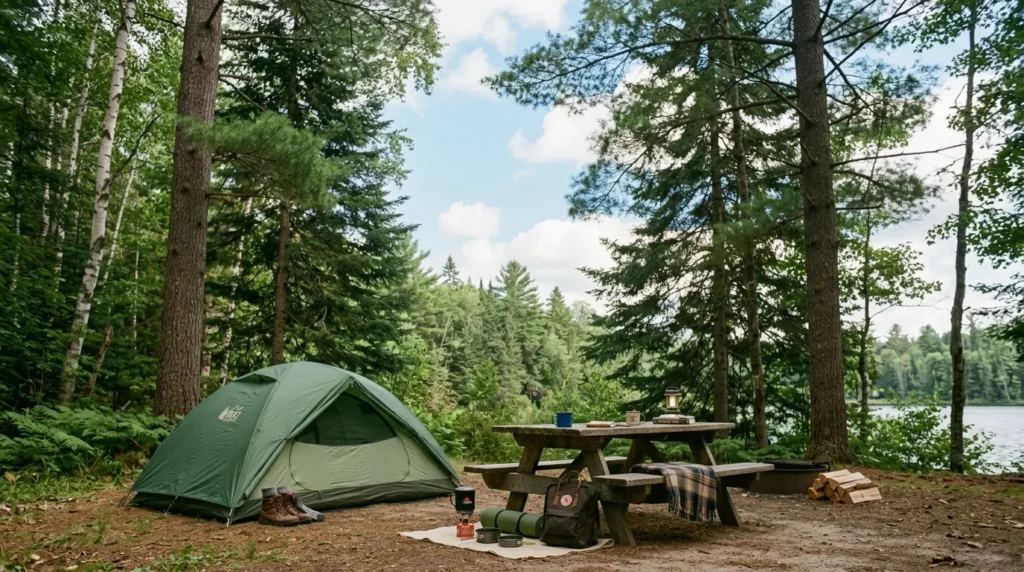
If this is your first camping trip, start with a campsite that makes everything easier. Choose a developed campground with bathrooms, water access, and a flat tent pad. You’ll learn faster when you’re not fighting steep slopes, no facilities, or confusing rules. A simple site also reduces stress, so you can focus on enjoying the outdoors instead of troubleshooting all day.
Before you book, check what’s provided: fire ring, picnic table, potable water, and parking distance from the site. Also confirm quiet hours and check-in time. The more you know ahead of time, the smoother your setup will feel. Beginners win when they remove surprise problems.
2) Check the Weather + Temperature (Pack for Night Cold)
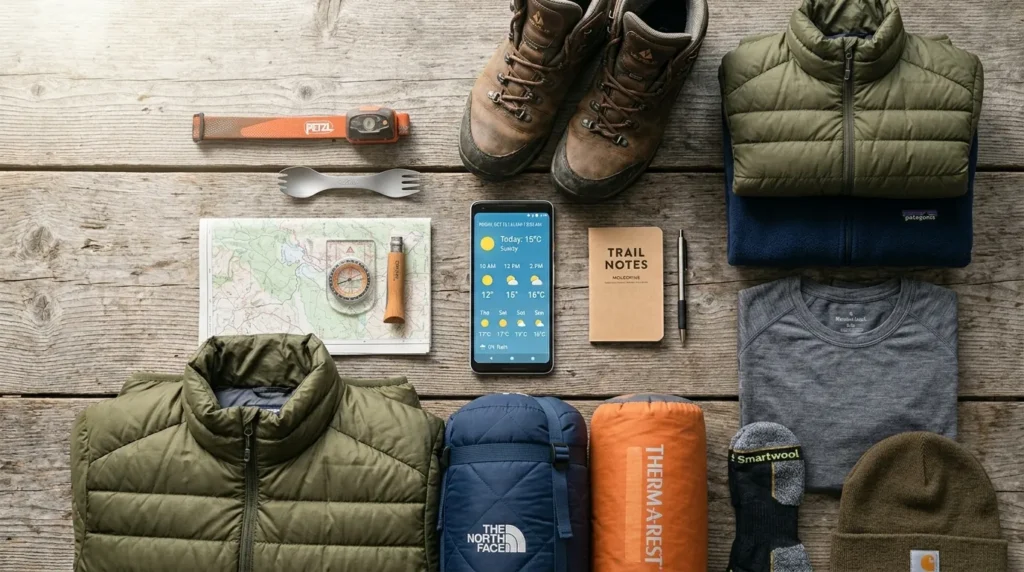
Camping comfort depends on weather more than anything else. Even if the daytime forecast looks warm, nights can get surprisingly cold, especially near water or at higher elevation. Check temperature lows, wind, and rain chance. This helps you pack the right sleeping bag, layers, and rain protection so you don’t end up miserable at 2 AM.
Pack for the coldest number you see, not the warmest. If it might rain, bring a tarp, poncho, and dry bags. If it might be windy, prioritize sturdy stakes and a warm layer. Beginners often under-pack warmth, so treat “night comfort” as your top priority.
3) Tent + Groundsheet (Your “Home Base” Essentials)
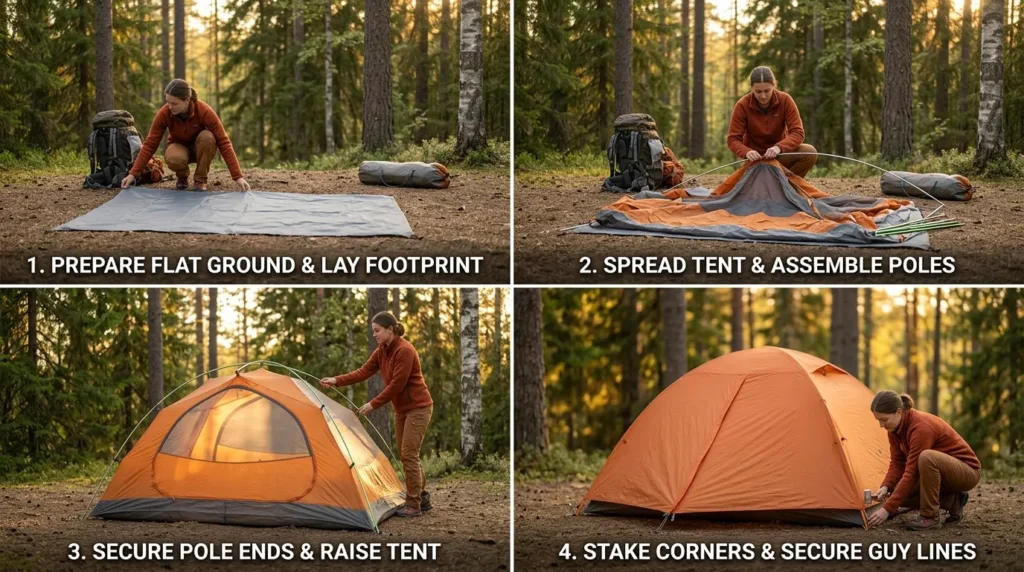
Your tent is your home base, so make it beginner-proof. Bring a tent that’s easy to set up (ideally with simple poles and clear clips), plus a groundsheet/footprint to protect the floor. The footprint prevents dampness and reduces wear, which matters when you’re learning. A dry, stable tent makes everything else feel easier.
Practice setting it up once at home so you understand the pole order and stake points. At camp, choose a flat spot free of rocks and roots. Face the door away from wind if possible. The better your tent setup, the better you’ll sleep, and sleep is everything for beginners.
4) Stakes + Mallet (Don’t Depend on “Just Push Them In”)
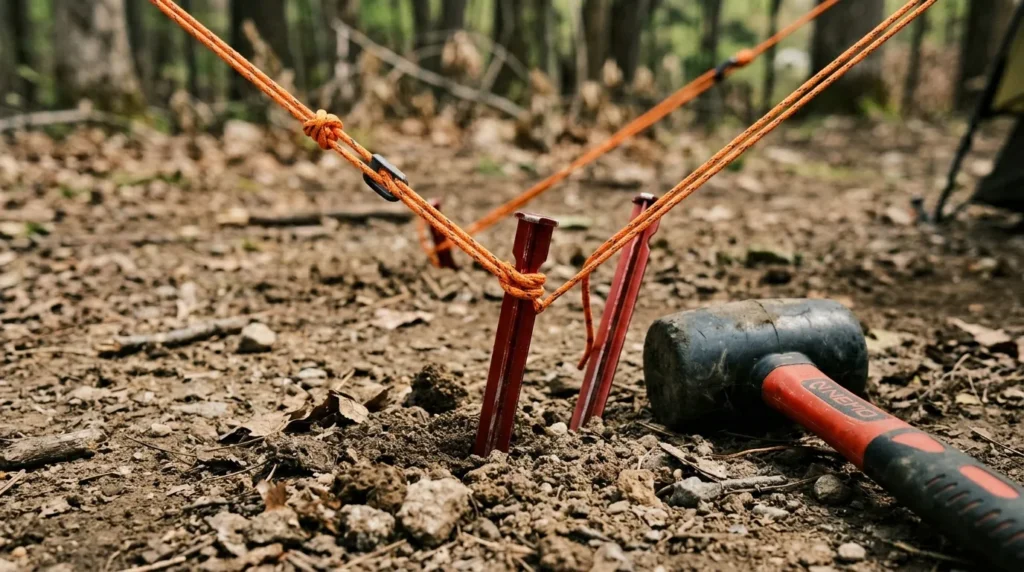
Stakes seem small, but they can make or break your night. Beginners often try to push stakes into hard ground with their hands, and that turns into frustration fast. Pack quality stakes and a small mallet or hammer so your tent stays secure in wind. This is especially important if weather shifts overnight.
Use guylines even if the night looks calm—wind can show up suddenly. Angle stakes away from the tent for better hold. If the ground is rocky, reposition instead of forcing it. A stable tent helps you relax, and relaxation is the goal. Stakes are not optional—think of them as your safety lock.
5) Sleeping Bag Rated for the Low Temp (Warmth First)
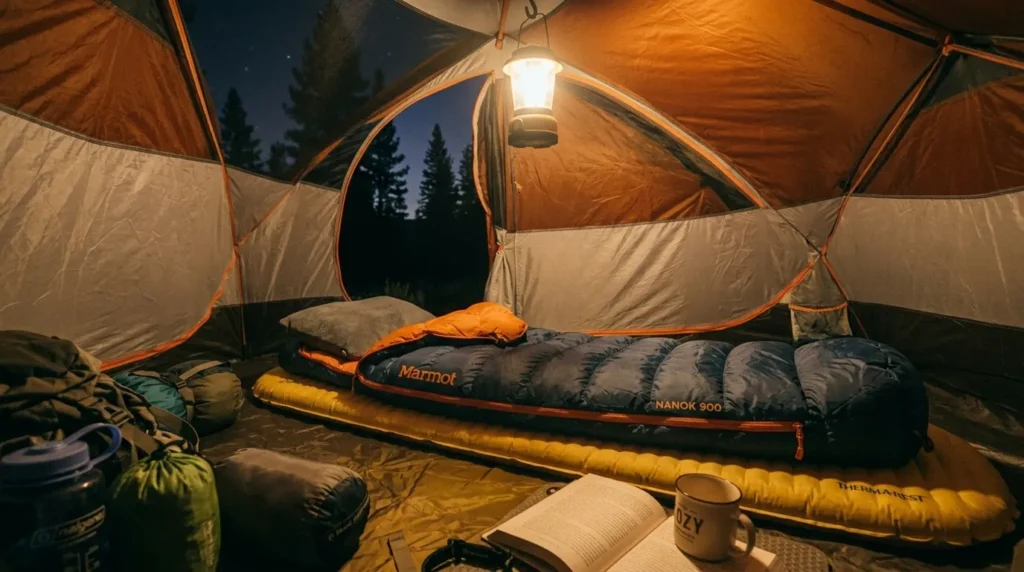
A sleeping bag should match the coldest nighttime temperature, not just “average weather.” If you’re new to camping, err on the warmer side because feeling cold is the fastest way to hate the trip. Choose a bag rated lower than the expected low temperature. Also check if the rating is “comfort” or “survival,” because comfort matters most for beginners.
Bring a liner or extra blanket if you sleep cold. Keep socks and a warm hat for nighttime—yes, even in summer some places get chilly. A warm sleep setup makes you excited for the next day instead of counting hours until sunrise.
6) Sleeping Pad or Air Mattress (Insulation + Comfort)
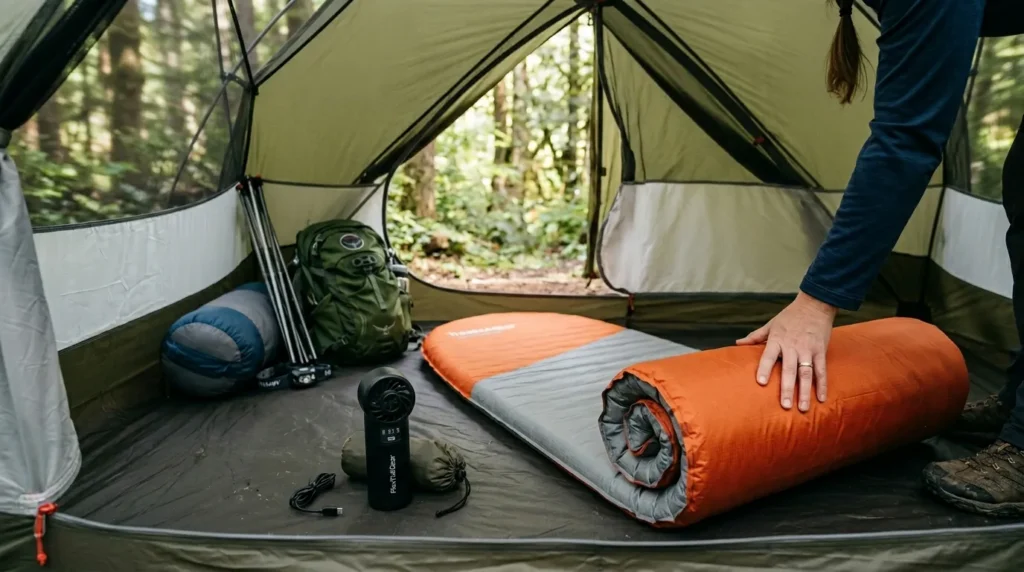
Many beginners think a sleeping bag is enough, but the ground pulls heat away. A sleeping pad provides insulation and comfort, and it makes a huge difference in sleep quality. Choose a pad with decent thickness and, if possible, an insulating rating. If you’re car camping, a thicker air mattress can work, but still add insulation beneath.
Test your pad at home so you know how to inflate it and how firm you like it. Pack a repair patch kit if it’s inflatable. Comfort means you’ll enjoy your trip instead of waking up sore and cold. A good pad is one of the best beginner upgrades.
7) Pillow (Yes, Pack One—Your Neck Will Thank You)
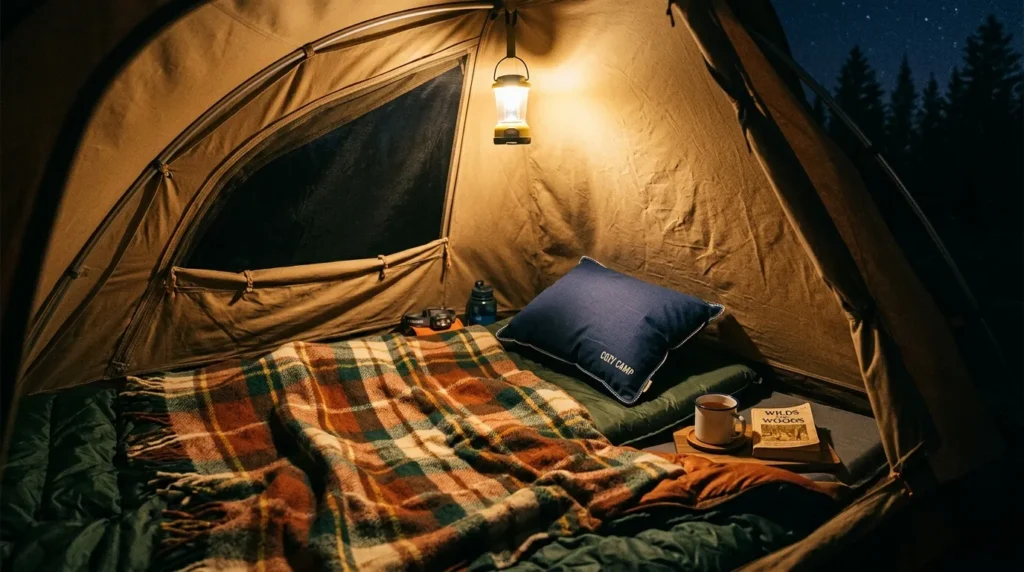
A pillow sounds optional until you wake up with a stiff neck. Beginners sleep better when they bring one comfort item that makes the tent feel less “rough.” A small camping pillow is packable, but even a regular pillow from home works for car camping. Better sleep = better mood = better camping trip.
If you don’t want a full pillow, use a stuff sack filled with soft clothes. Avoid using shoes or hard items—your neck will regret it. A small comfort upgrade like this can change your whole experience. Camping isn’t about suffering; it’s about enjoying nature with smart prep.
8) Headlamp + Extra Batteries (Hands-Free is Everything)
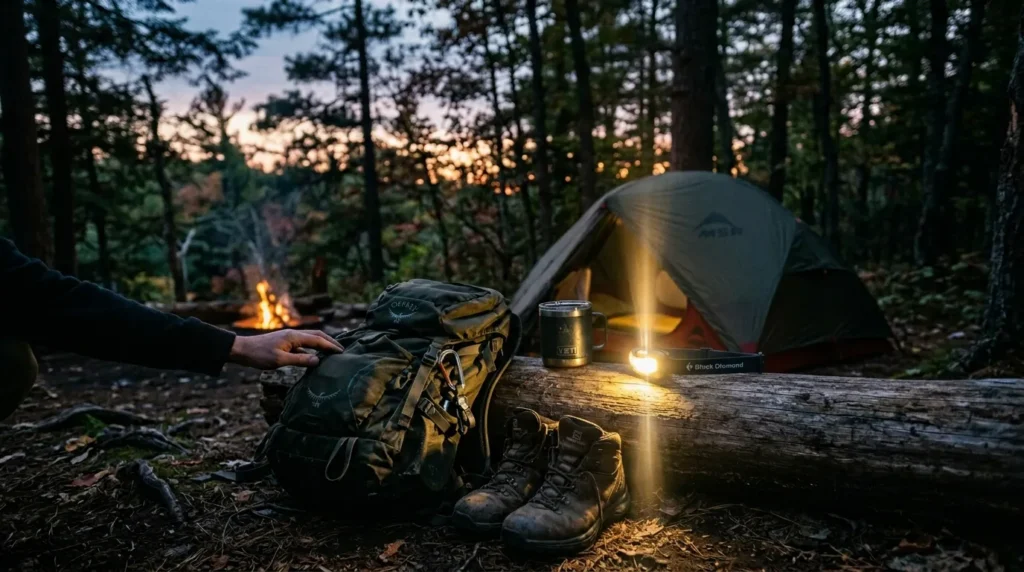
A headlamp is one of the most important beginner items because it keeps your hands free. You’ll need light for setting up the tent, cooking, bathroom trips, and finding things in your bag. Flashlights work, but headlamps are easier and safer. Pack extra batteries or a fully charged rechargeable one, because darkness comes fast.
Keep your headlamp accessible, not buried in your backpack. One great trick: put it in the top pocket or your jacket pocket before sunset. Once it’s dark, everything feels harder if you can’t see. With a headlamp, you stay calm and capable—even as a beginner.
9) Lantern for the Picnic Table (Cozy + Useful)
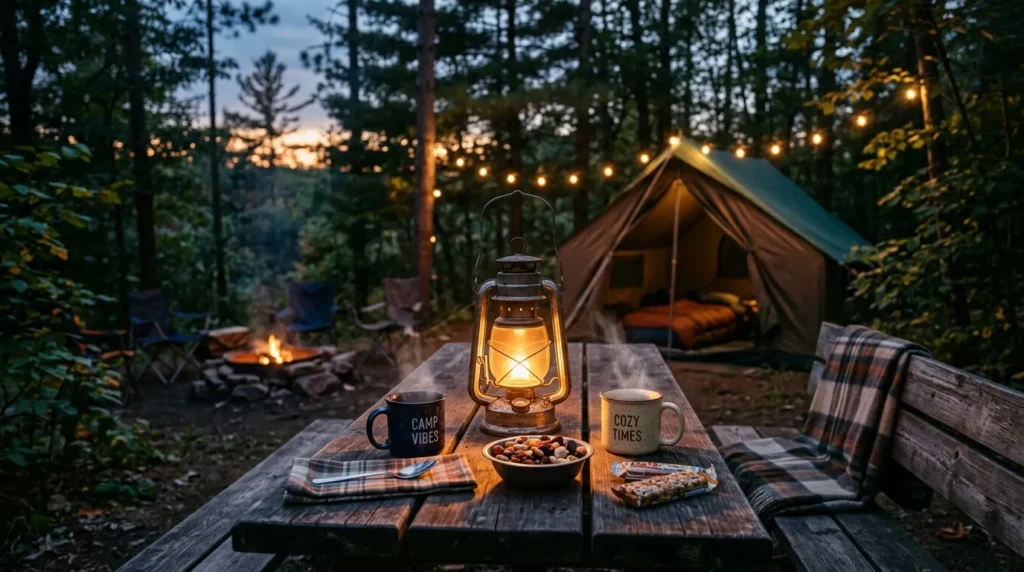
A lantern makes camp feel cozy and helps everyone function after sunset. It lights up the picnic table for cooking, eating, and playing cards. For beginners, good lighting reduces stress because you can actually see what you’re doing. Choose a lantern that’s bright enough for tasks but has a softer setting for relaxing.
Battery-powered lanterns are simple and safe. If you bring candles, be careful—wind and fire risk can be real at campsites. A lantern also helps you find your gear and avoid tripping hazards. It’s a small item that makes your campsite feel like a comfortable little home.
10) Camp Chairs (Sit Comfortably, Not on the Ground)
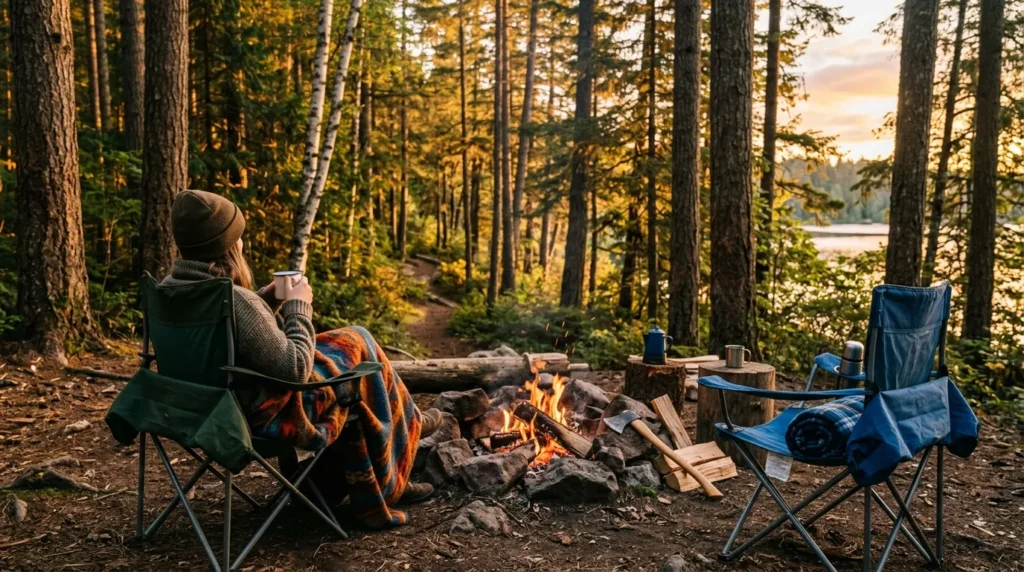
Sitting on the ground sounds fine until your back starts complaining. Camp chairs make the whole trip feel easier—meals are more comfortable, relaxing is actually relaxing, and you’ll enjoy evenings more. For beginners, comfort reduces the “roughing it” feeling and makes camping feel fun instead of tiring.
Choose chairs that are easy to carry and quick to unfold. If you forget chairs, you’ll end up standing or perching awkwardly on logs. A comfortable seat makes you want to stay outside longer, which is the best part of camping. Think of chairs as part of the experience, not a luxury.
11) Cooking System (Stove or Fire Plan)
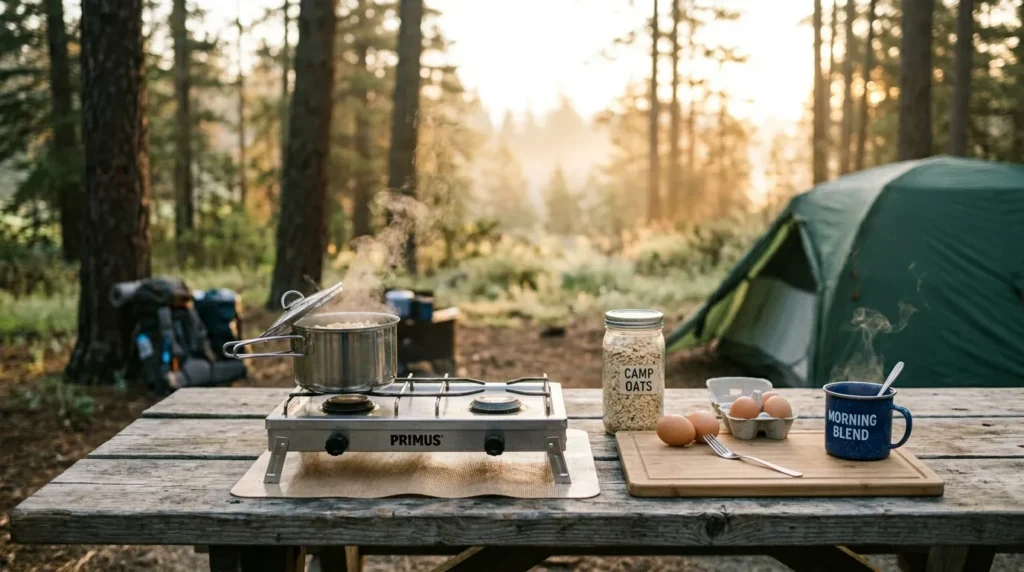
Decide how you’ll cook before you go: camp stove, campfire, or no-cook meals. Beginners often assume they’ll cook over a fire, but fires can be banned, wet wood can be hard, and it takes time. A small camp stove makes meals predictable and fast, which is perfect when you’re still learning the basics.
Pack fuel, lighter/matches, and a simple pot or pan. Keep meals easy: instant oatmeal, pasta, hot dogs, or soup. If you want to cook over fire, bring a grill grate and long tongs. The goal is to eat well without turning dinner into a complicated project.
12) Cooler + Ice (Food Safety Made Simple)
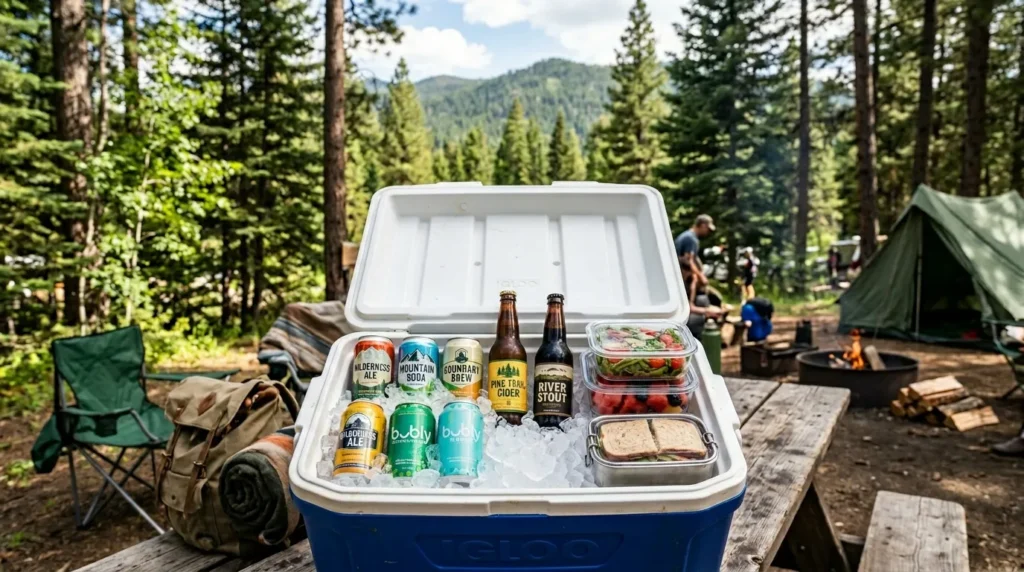
If you’re bringing fresh food, a cooler keeps things safe and makes meal planning easier. Beginners often pack random items without thinking about temperature. Plan your cooler: ice on bottom, raw items sealed, ready-to-eat foods on top. Keep it in shade and open it less often so ice lasts longer.
Bring extra ice or freeze water bottles to double as cold packs. Use small containers to prevent leaks. If you want the easiest trip, choose simple foods that don’t spoil fast. Food safety is not glamorous, but it’s important. A good cooler plan prevents a ruined trip.
13) Water Plan (More Than You Think You Need)
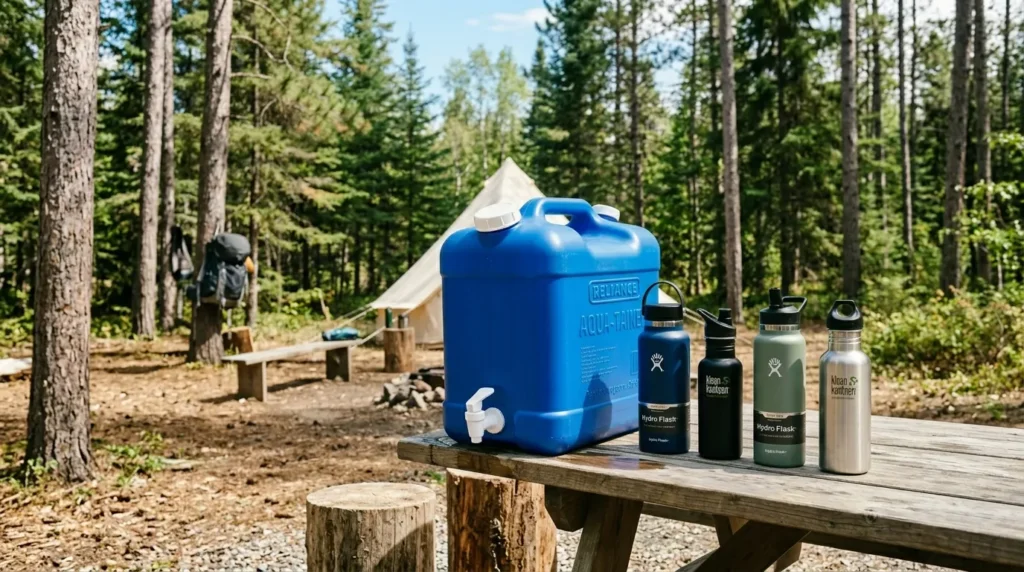
Water is everything: drinking, cooking, and cleaning. Beginners often underestimate how much they’ll use, especially if the campsite water isn’t right next to you. Bring a large water jug and fill reusable bottles. If you’re hiking or it’s hot, you’ll need even more. Dehydration makes you tired and cranky fast.
If there’s no potable water at the site, bring a filter or buy enough bottled water. Have a separate bottle for nighttime so you don’t walk to the car in the dark. A good water plan makes camping feel easy. When water is handled, everything else feels manageable.
14) Food Plan: Simple Meals + Backup Snacks
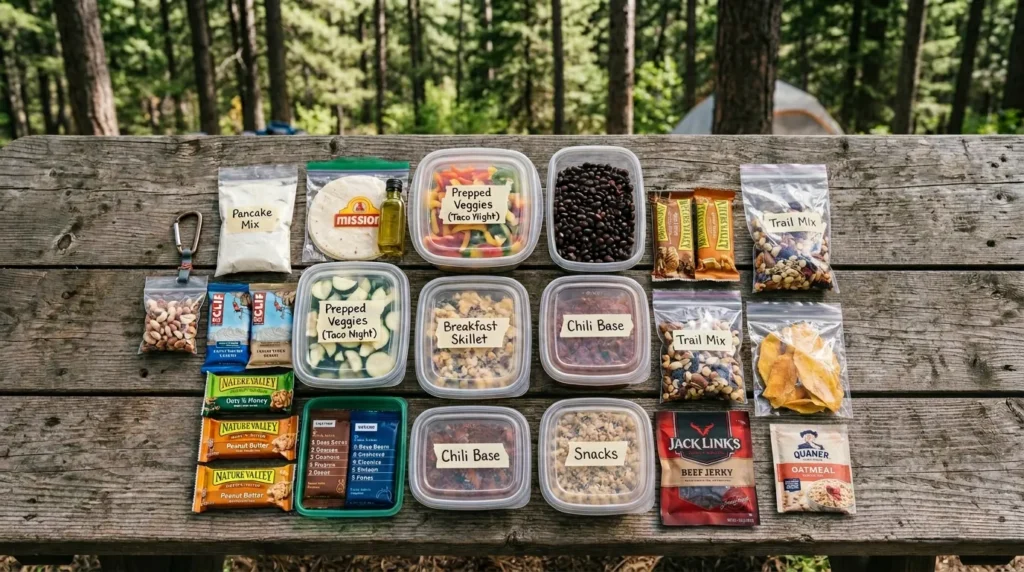
Beginners enjoy camping more when meals are simple and predictable. Plan 2–3 easy meals and pack lots of snacks. Think breakfast: oatmeal and fruit. Lunch: sandwiches or wraps. Dinner: pasta, soup, or grilled items. Backup snacks matter because hunger hits unexpectedly when you’re walking, swimming, or setting up gear.
Pack shelf-stable snacks like trail mix, granola bars, crackers, and dried fruit. Keep a “quick grab bag” so you don’t dig through everything. If you’re camping with kids, add familiar snacks they’ll actually eat. A good food plan keeps energy up and prevents mood crashes.
15) Fire Setup (If Allowed): Fire Starters + Kindling
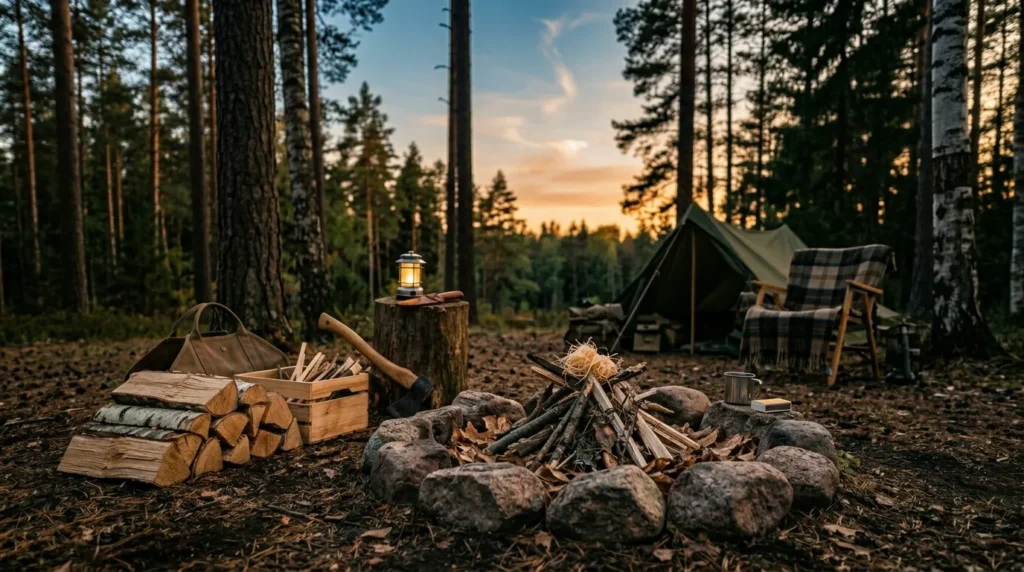
If campfires are allowed, bring fire starters because beginners often struggle with lighting wood. Wet wood or bad kindling can turn fire-making into a stressful hour. Fire starters and dry kindling make it simple: light, build, enjoy. Keep your fire small and controlled—bigger isn’t better, especially when you’re learning.
Always check local fire rules and restrictions. Keep water nearby and never leave a fire unattended. Use long tongs for safety. When you’re done, put it out fully until it’s cold. A safe, easy fire adds so much cozy magic to camping, but only when it’s done responsibly.
16) Trash Bags + Cleanup Plan (Leave No Mess)
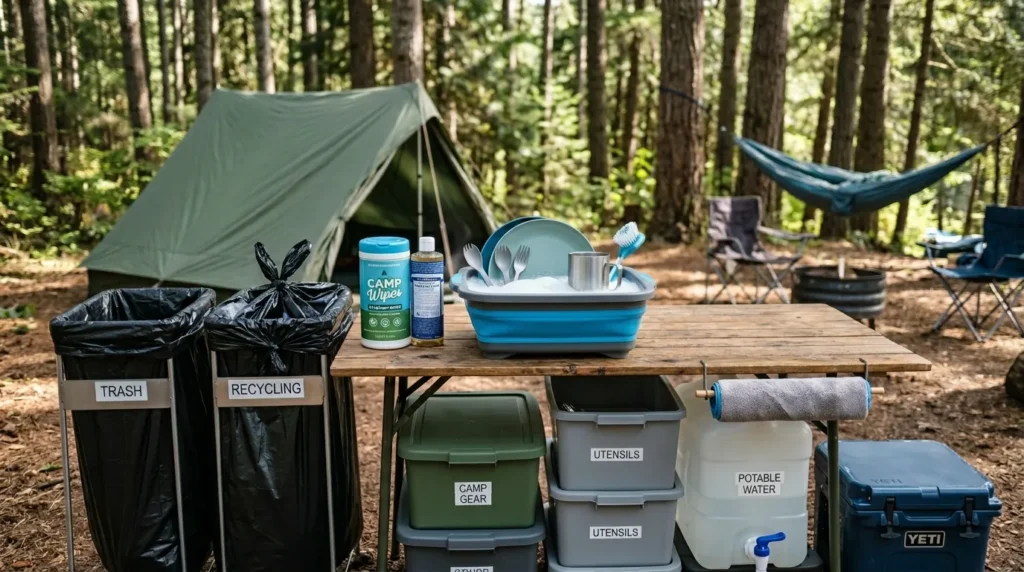
A clean campsite feels calmer and keeps animals away. Bring strong trash bags and plan how you’ll store trash until you leave. Beginners sometimes leave food wrappers around “for later,” and that can attract raccoons or other wildlife. Keep trash sealed and stored in your car when possible. Clean as you go so you’re not stuck doing a giant cleanup at night.
Pack wipes, paper towels, and a small dish bin for washing. If the campsite has rules for trash disposal, follow them. Leaving your site clean is part of good camping etiquette. You’ll also feel better when you wake up to a tidy campsite, not chaos.
17) First Aid Kit (Small, But Don’t Skip It)
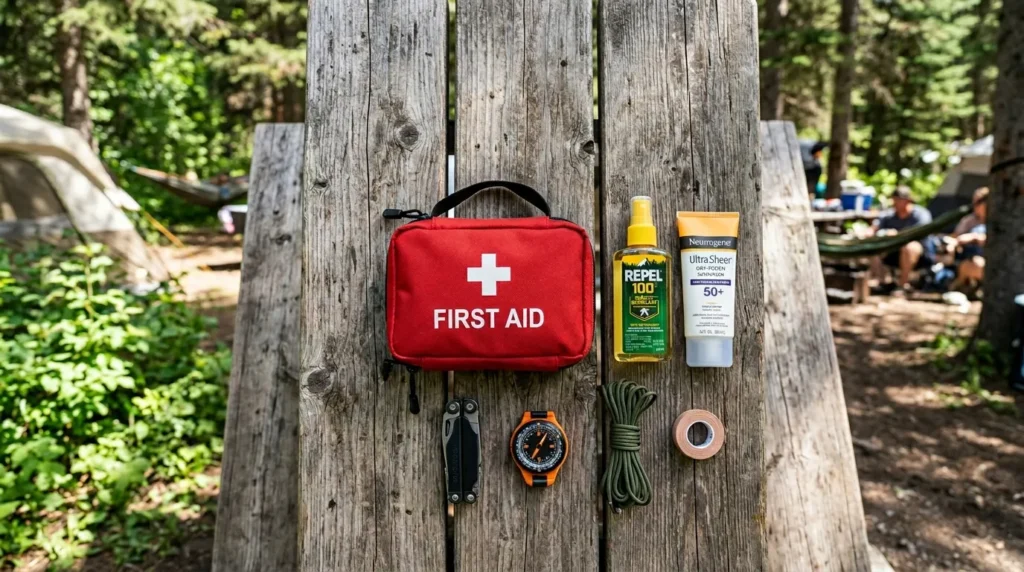
A first aid kit is essential even on beginner trips. Small cuts, blisters, headaches, and bug bites happen fast outdoors. Pack bandages, antiseptic wipes, blister pads, pain relief, and any personal medications. It’s not about expecting problems—it’s about being ready so small issues don’t ruin your trip.
Add tweezers for splinters and a small roll of medical tape. If you’re hiking, bring extra blister care. Keep your kit easy to access, not buried in the trunk. The peace of mind is worth it. When you’re prepared, you stay calm—even when something small goes wrong.
18) Bug Spray + Sunscreen (Comfort Essentials)
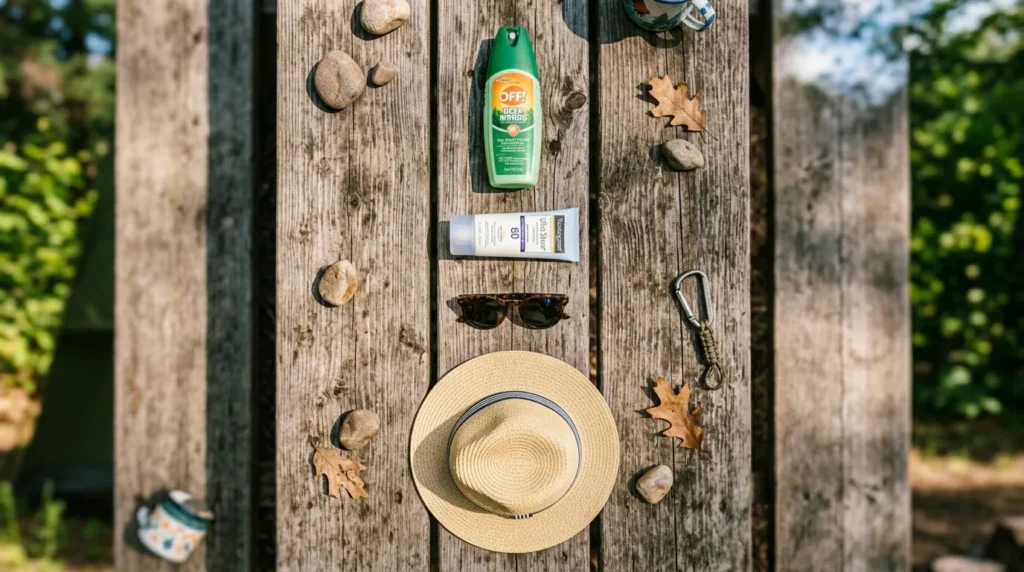
Bugs and sun can make camping miserable if you’re unprepared. Pack bug spray and sunscreen and actually use them early, not after you’re already itchy or burned. Beginners often forget reapplying sunscreen, especially when they’re busy setting up. Keep both items somewhere visible so it becomes automatic.
Add a hat and sunglasses for extra protection. If bugs are heavy, consider long sleeves for evenings. For comfort at night, keep bug spray near the tent entrance. Staying comfortable helps you enjoy the outdoors more and sleep better. These small items are not optional—they’re part of a successful first trip.
19) Clothing Layers (Warm Nights + Cool Mornings)
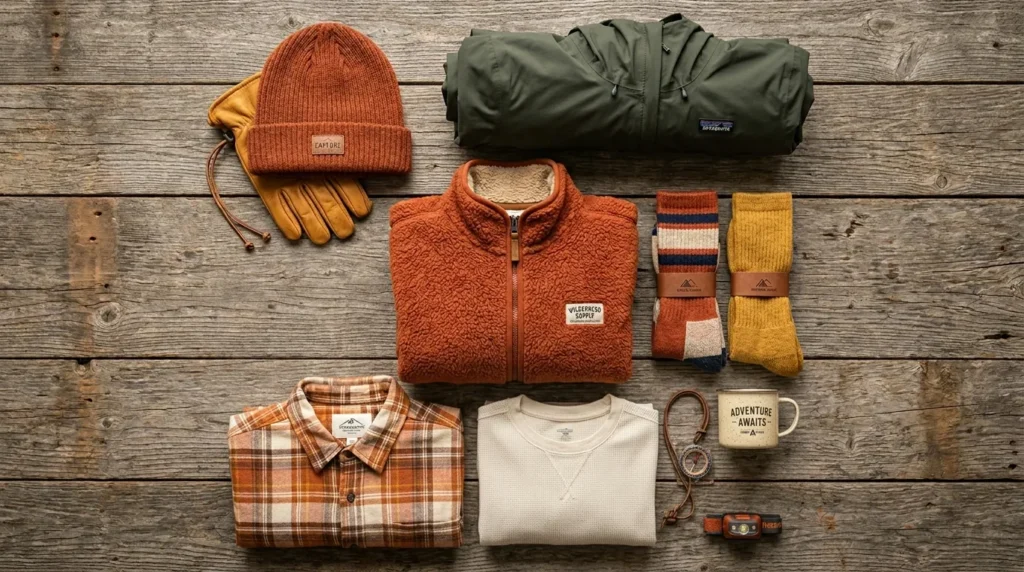
Camping weather changes quickly—warm days, cold nights, and chilly mornings are common. Pack layers: breathable base, warm mid-layer, and a light jacket. Beginners often pack for daytime and forget night temperatures. Also bring warm socks and a hat; those tiny items can make a huge difference when you’re sitting outside after sunset.
Choose quick-dry fabrics if possible. Bring an extra set of clothes just for sleeping so you stay comfortable even if your daytime clothes get sweaty or smoky. Layers help you adjust without feeling too hot or too cold. Comfort = fun, and layers make comfort easy.
20) Simple Camp Shoes + Optional Sandals (Foot Comfort Matters)
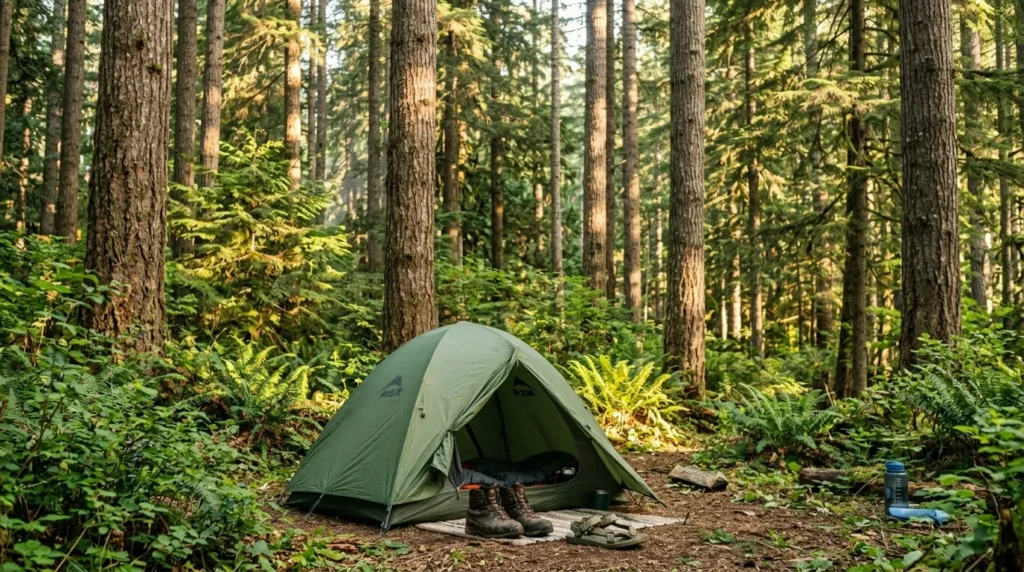
Bring one pair of sturdy walking shoes and one easy camp shoe if you can. Walking shoes handle trails and uneven ground, while sandals or slip-ons make it easy to go in and out of the tent. Beginners often underestimate how much walking happens just around camp—bathrooms, water, firewood, and exploring nearby paths.
Choose shoes that are already broken in. Blisters can ruin a trip fast. Keep sandals by the tent so you can step out easily at night. If it’s cold or wet, choose a warm slip-on instead. Comfortable feet make everything better, especially on your first trip.
21) Camp Setup Order (Do This Before Anything Else)
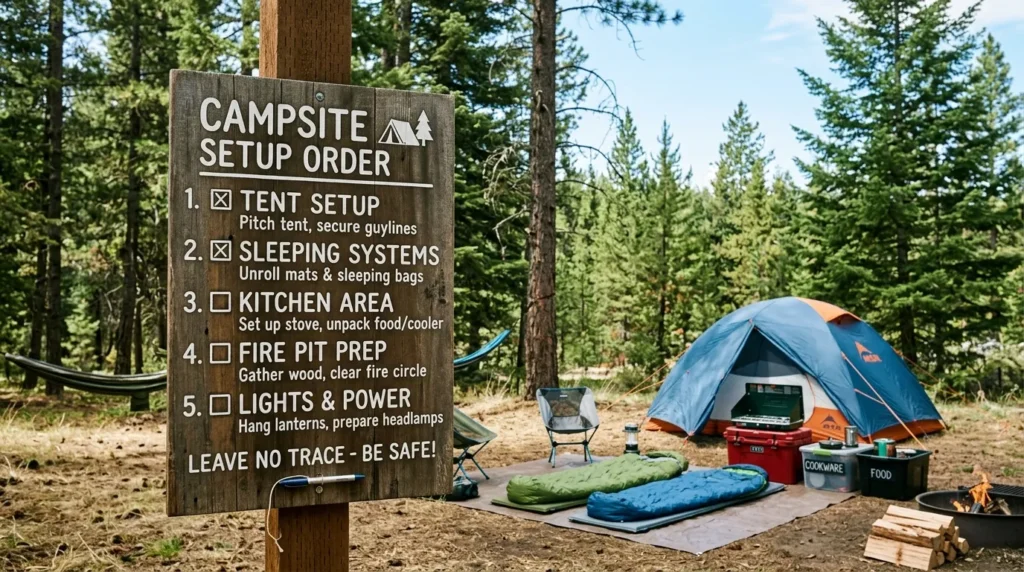
Beginners feel overwhelmed because they try to do everything at once. Use a simple setup order: 1) Tent and stakes, 2) Sleeping gear, 3) Lighting, 4) Kitchen area, 5) Fire setup (if allowed). This sequence ensures you have shelter and comfort first. If it gets dark or the weather changes, you won’t be scrambling.
Once the tent and sleeping setup are done, everything feels easier. Then you can relax and build the rest of camp slowly. Keep gear in separate bags (sleep, cook, lights) so you can grab what you need fast. A good setup order turns chaos into calm.
22) Night Routine (Stay Warm + Stay Safe)
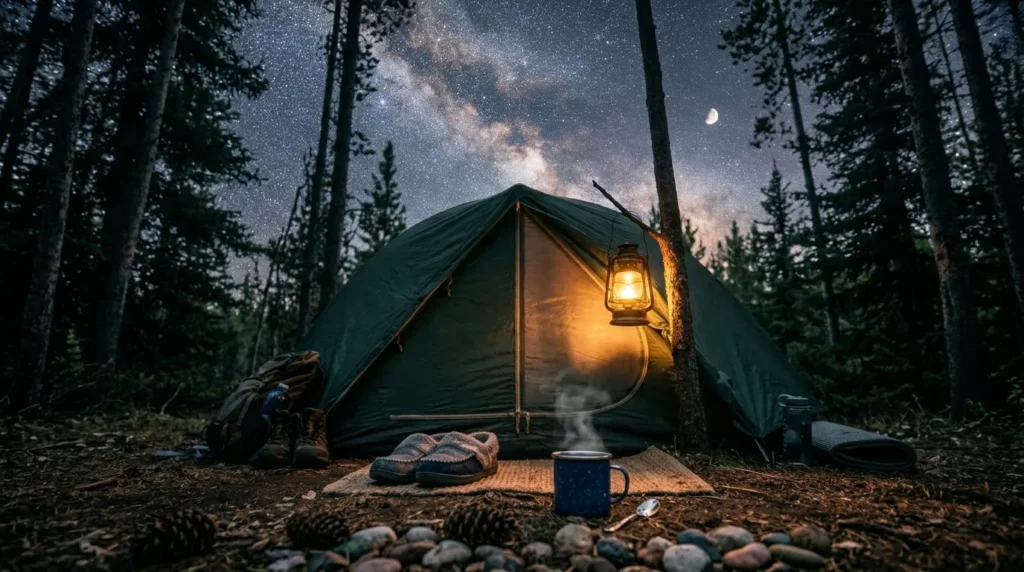
A simple night routine helps beginners sleep better. Before it gets fully dark, fill water bottles, pack away food, secure trash, and set out your headlamp for nighttime bathroom trips. Put warmer layers inside the tent so you don’t hunt for them later. Camping feels safer when you have a plan instead of improvising in the dark.
Keep shoes by the tent door and a small flashlight nearby. If temperatures drop, change into dry sleep clothes and warm socks. Do a quick “site check” for tripping hazards. A calm routine helps you relax, and relaxation is what makes the first trip enjoyable.
23) Morning Pack-Down Checklist (Leave the Site Better Than You Found It)
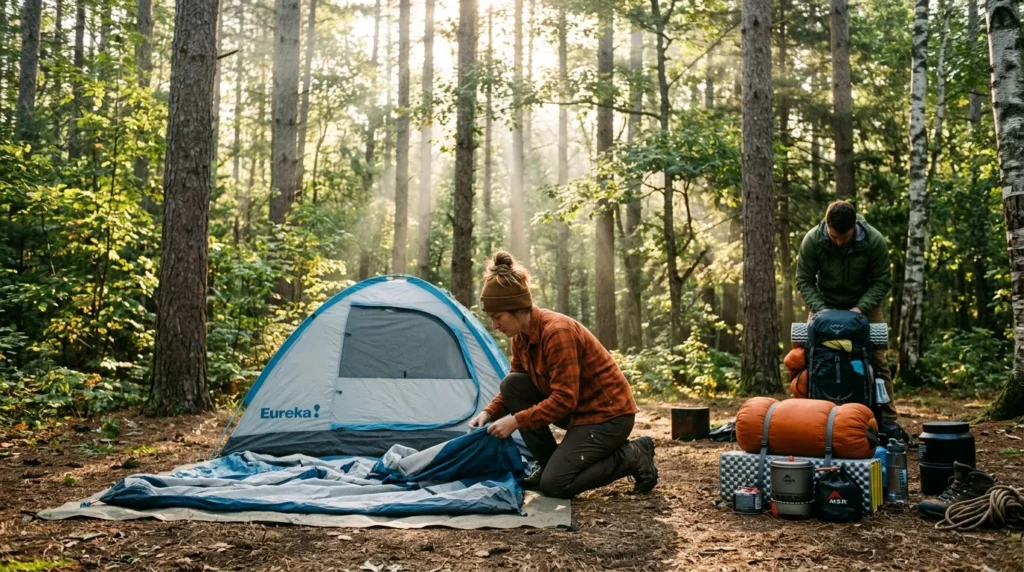
Packing up is easier when you follow a simple checklist. Start with trash and leftover food, then pack kitchen items, then fold sleeping gear, and finally take down the tent last. This order keeps your “home base” available while you clean and organize. Beginners often rush and end up losing small items or leaving behind trash.
Do a final sweep: check under the picnic table, around the fire ring, and inside the tent. Make sure the fire is fully out and the area is clean. Leaving a tidy campsite is good etiquette and makes you feel proud of your first trip. A calm pack-down ends your trip on a high note.
