

22 Disneyland Tips & Tricks — Guide for Lines, Food, and Ride Order to Try!
Visiting Disneyland can be magical, but navigating the crowds, rides, and food options can be overwhelming. With these Disneyland tips, you’ll learn how to make the most of your day, skip long lines, and enjoy iconic treats without the stress. From planning your ride order to finding hidden food gems, our guide covers everything you need for a smooth and fun experience. Whether it’s your first visit or your tenth, these practical tricks will help you save time, energy, and maximize the magic of Disneyland.
1) Lock in your park reservation + ticket before you plan the day
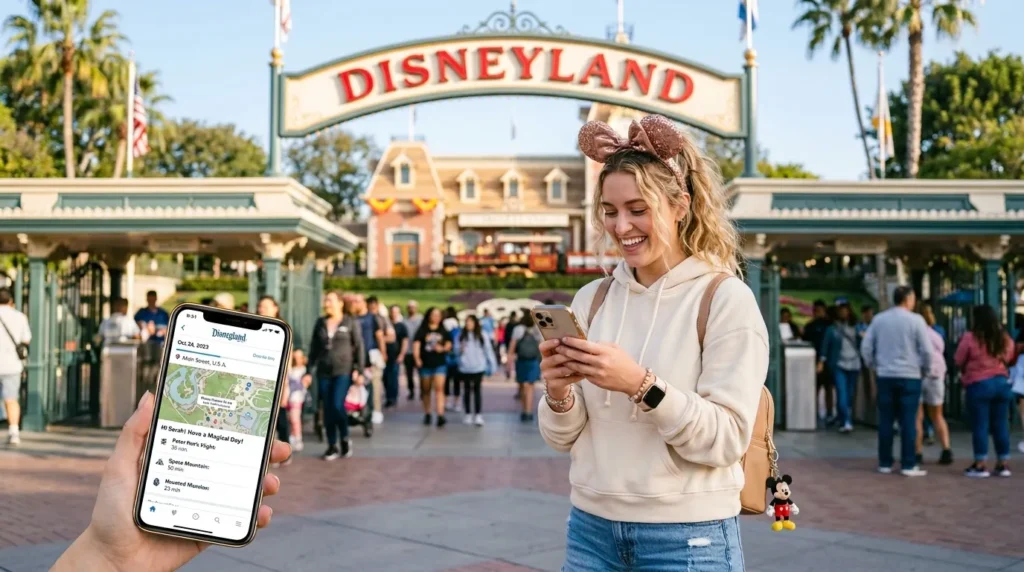
Before you even think about ride order, make sure your basics are set: valid admission and the correct theme park reservation for the same date/park. That one step prevents the most stressful “we can’t get in” situation. Build your whole plan around which park you’ll start in, because your morning strategy depends on it. Keep your confirmation accessible and link everything inside the official app so entry is smooth. (Disneyland Resort)
Once that’s done, decide your “must-do” list (3–5 rides + 1–2 food goals). Your ride order should serve your priorities, not random internet lists. If you’re park hopping, pick a first park for rides and a second park for food or shows. Planning like this keeps you from zig-zagging across the resort and losing time to walking instead of fun.
2) Set up the Disneyland app like a pro (this saves real minutes)
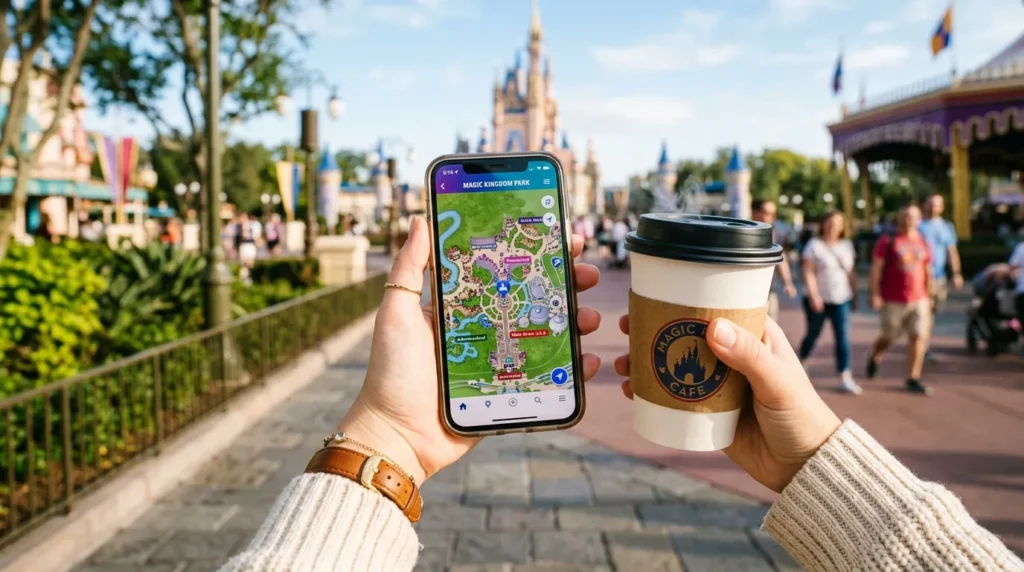
Do a quick “app setup” the night before: update the app, sign in, link tickets, and enable notifications + location. The app is your control center for wait times, maps, mobile food ordering, and more—so you don’t want to troubleshoot in the security line. You’ll move faster when you can instantly check what’s nearby and what’s spiking. (Disneyland Resort)
In the park, use the map to reduce walking: pick your next ride based on distance and wait time together. A 20-minute wait nearby often beats a 10-minute wait across the park once you count walking. Treat your phone like a “time tool,” not a scroll tool—quick checks, then back to enjoying the day.
3) Rope drop strategy: arrive early and hit a headliner first
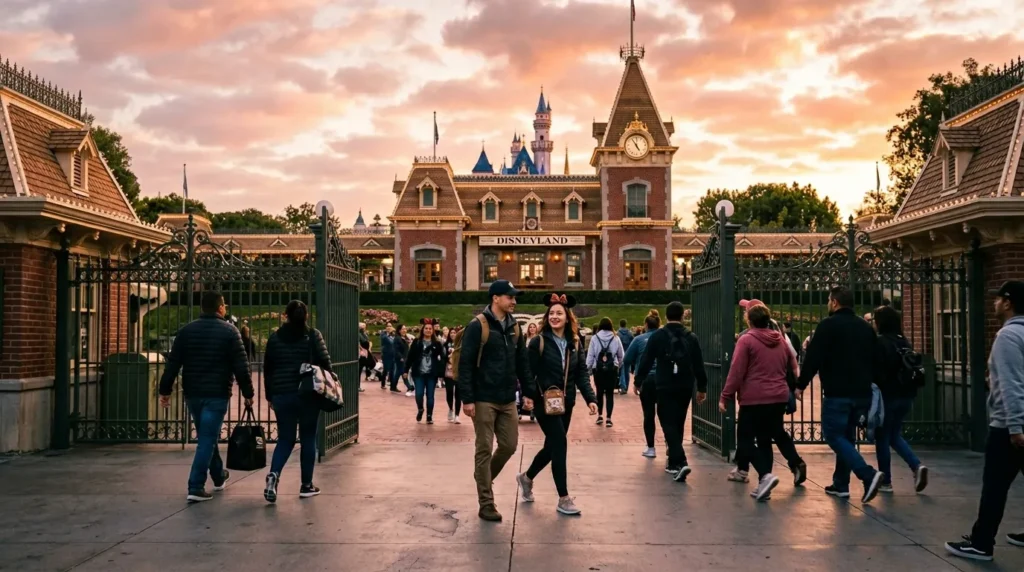
If you care about short lines, your best “trick” is simply being early. Eat breakfast before you enter, go through security early, and be ready to walk briskly (not run) at opening. Your first ride should be a high-demand attraction before the park fills in—this is where you can save the biggest chunk of time with the least effort. (Undercover Tourist)
After that first big win, stay in the same area and knock out 2–3 nearby rides while crowds are still spreading out. This creates momentum and makes the rest of your day feel easier. If you’re traveling with kids, rope drop still helps—just choose a first ride that your whole group can do without stress.
4) Use “land loops” for ride order (less walking = more rides)
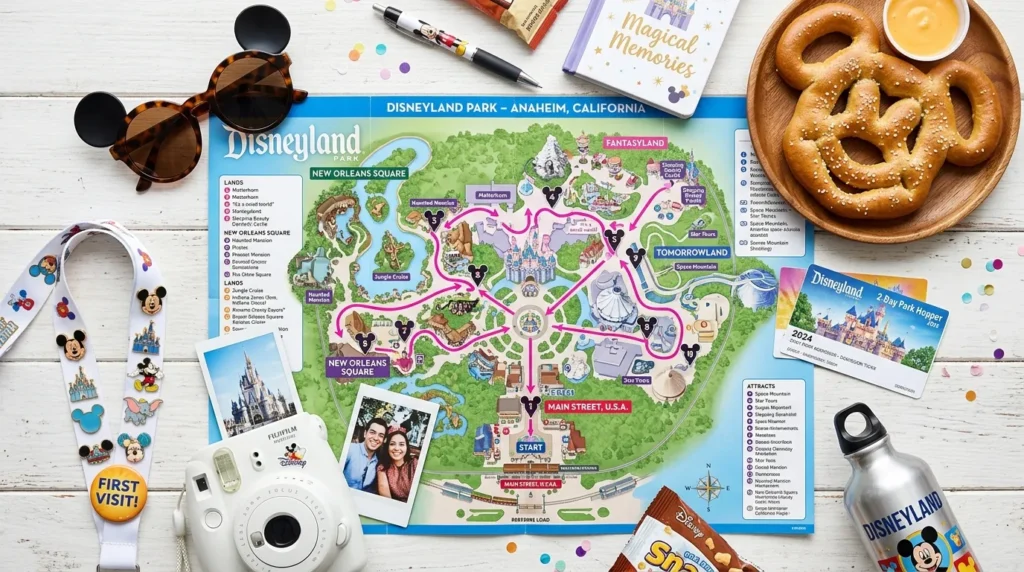
Instead of bouncing randomly, plan your morning as a loop: pick one land/area and do everything you want there before moving on. The trick is clustering rides that are close together so you’re not walking 15–20 minutes between attractions. You’ll feel less tired, your group stays happier, and you avoid that mid-day meltdown where everyone’s hungry and lost.
A simple loop plan looks like this: Morning Loop 1 (big ride + 2 nearby), Morning Loop 2 (another cluster), then lunch. When wait times jump, you’re already “ahead,” and you can switch to shows, photos, or snacks without feeling like you’re missing everything. This one change alone makes your day feel organized.
5) Lightning Lane strategy: choose the right option for your priorities
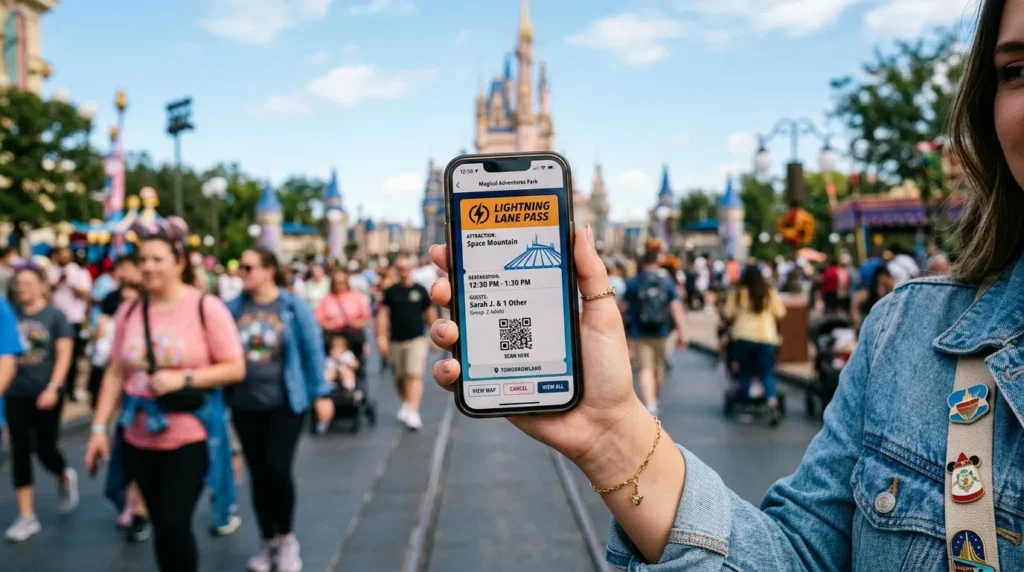
If you’re using Lightning Lane, think of it as a tool for your top waits—not a replacement for planning. Disneyland offers different Lightning Lane options (including Multi Pass, Single Pass, and Premier Pass), and what’s available can vary by date and attraction. Choose based on what your group values: fewer waits, maximum flexibility, or just one or two big rides. (Disneyland Resort)
A smart approach is: use standby early (rope drop), then use Lightning Lane later when lines peak. Prioritize attractions that usually build long waits, and avoid “wasting” your best time slots on rides that stay short all day. Keep checking the app so you’re not walking across the park for a return time you could’ve used closer by.
6) Staying at a Disneyland Resort hotel? Use the new Lightning Lane entry perk well
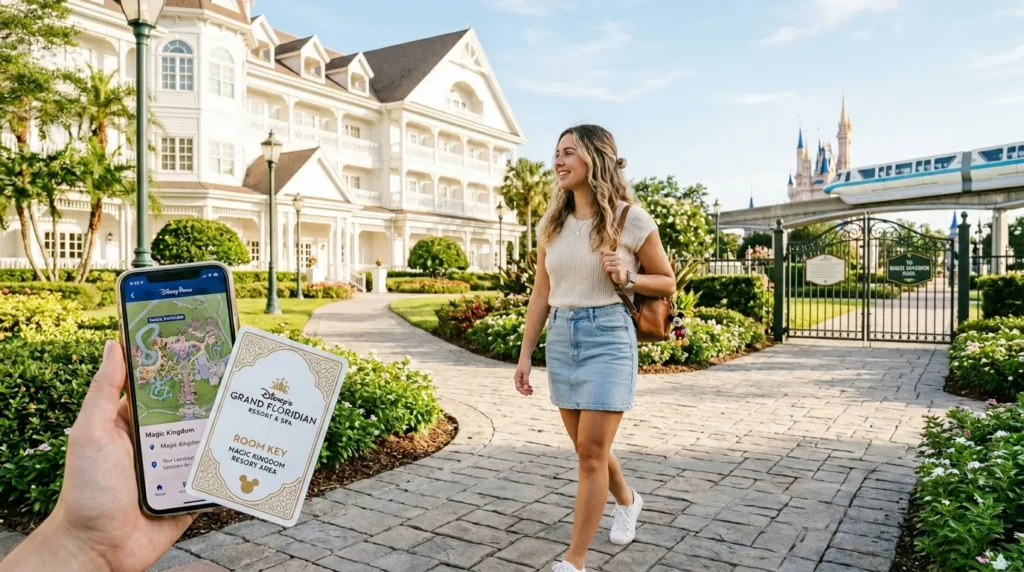
If you’re staying at a Disneyland Resort hotel, there’s a newer benefit starting January 5, 2026: one complimentary entry to one eligible Lightning Lane Multi Pass attraction (redeemable at any available time on one day of your stay). It’s not the same as early entry, so treat it like a “free skip” you should spend wisely. (Disneyland Resort)
Best use: save it for a moment when standby lines are painful—midday or early evening. Don’t burn it first thing in the morning when waits are naturally low. Also, check eligibility and restrictions in the app so you don’t assume it covers everything. Used at the right time, it can rescue your schedule when crowds spike.
7) Single rider lines: the fastest “secret weapon” for adults and teens
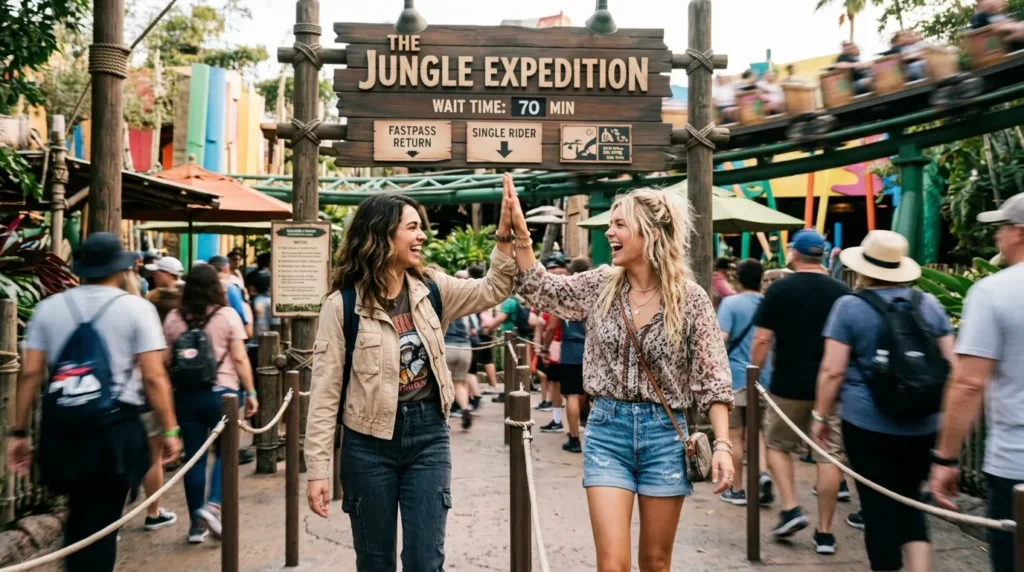
If your group is okay splitting up, single rider can be a huge time-saver on certain attractions. The trade-off is simple: you’ll probably ride separately, but you can cut the wait dramatically compared to standby. This works best for friends, couples who don’t mind separation, or families where older kids want repeat rides without tying up the whole group.
Use it strategically: when your day is behind schedule, when one person wants “one more ride,” or when you’re waiting for a dining time. Then regroup at the exit and move on. It’s also a great way to add one extra thrill ride without sacrificing your entire plan.
8) Rider Switch: the family hack that keeps everyone happy
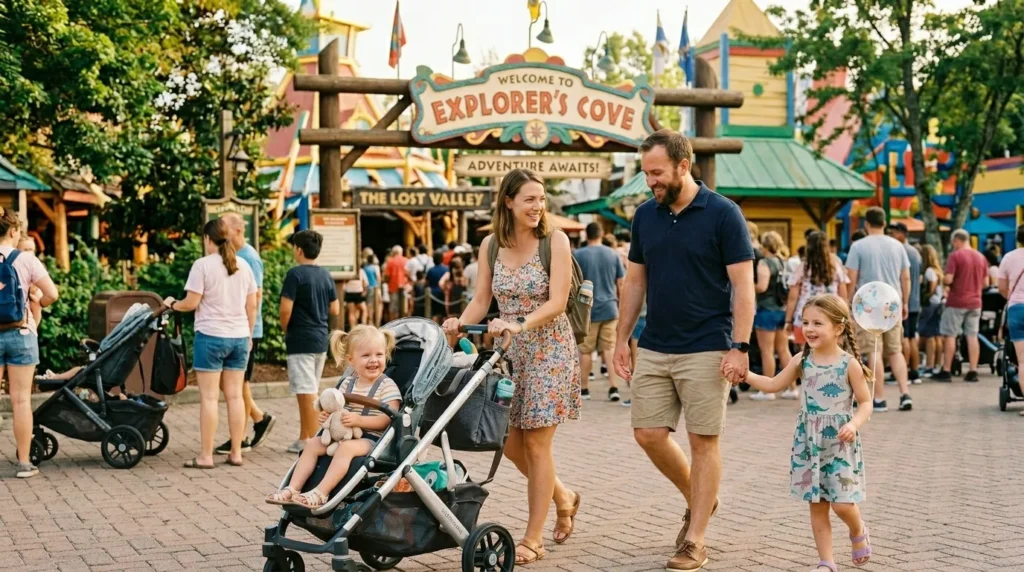
If you have a child who can’t (or doesn’t want to) ride something, ask about Rider Switch at the attraction. It lets adults take turns without waiting in the full line twice. This keeps the day fair—one adult rides while the other stays with the child, then you swap. It’s especially helpful on busy days when you don’t want to lose an hour per headliner.
The key is to decide early which rides will use Rider Switch, so your ride order stays smooth. Mix it with a nearby kid-friendly attraction so nobody feels left out. Done well, Rider Switch turns a “we can’t do that ride” moment into a calm, efficient plan.
9) Midday plan: switch from rides to cool-down entertainment
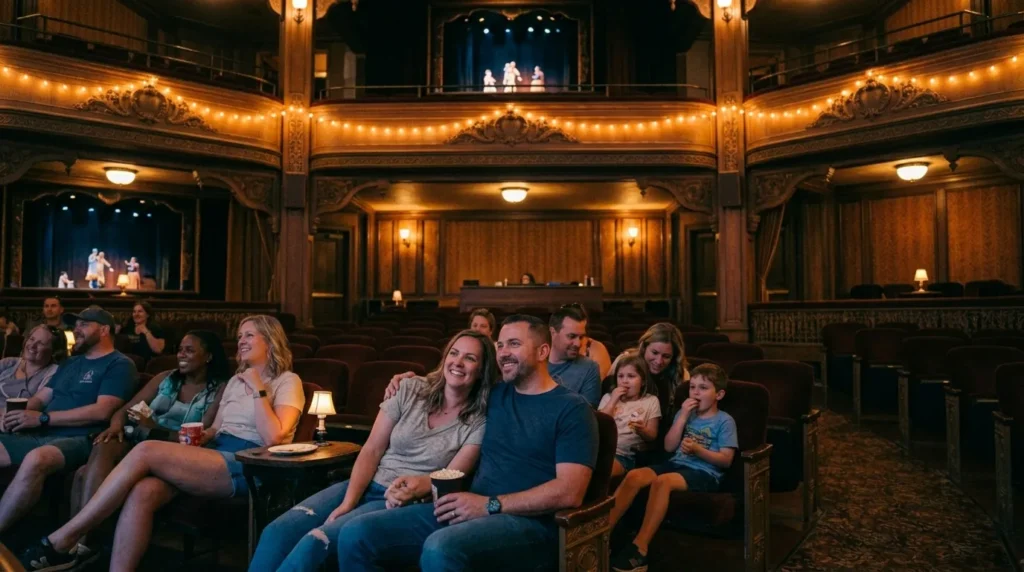
Crowds and heat usually peak in the middle of the day, so don’t fight it—pivot. Midday is perfect for indoor attractions, shows, slower rides, and shaded breaks. This keeps your energy up for the evening, when the park looks amazing and you can often get more done again. Think of midday as your reset block: hydrate, sit, and enjoy “low-line fun.”
If your group tends to crash, plan a quiet break right after lunch—then come back stronger. Your ride order improves when you protect your energy. A calmer midday also reduces impulse spending on “emergency snacks” because you’re overheated and stressed.
10) Ride during parades and nighttime shows (lines often shift)
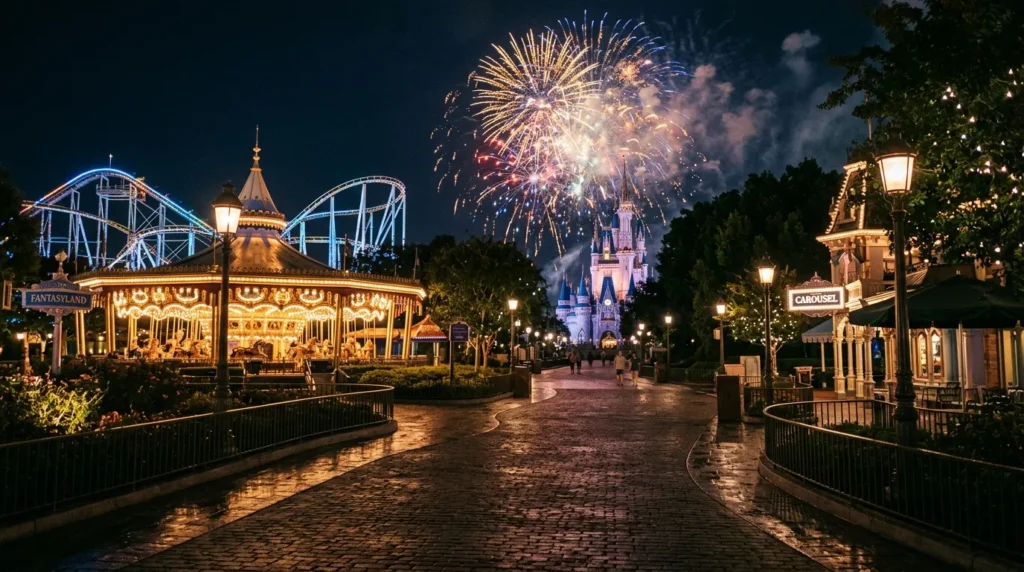
When a parade or big nighttime show starts, crowds concentrate in viewing areas—so some ride lines can become more manageable. If your group doesn’t care about the show (or you’ve already seen it), that window can be great for attractions. The trick is committing: don’t half-watch and half-ride. Pick one plan and execute it.
If you do want the show, reverse the strategy: ride earlier, then stake out a spot and snack while you wait. Either way, you’re using show times intentionally instead of letting them randomly interrupt your day. It’s one of the easiest “touring plan” upgrades.
11) Eat at off-peak times (this avoids the worst food lines)
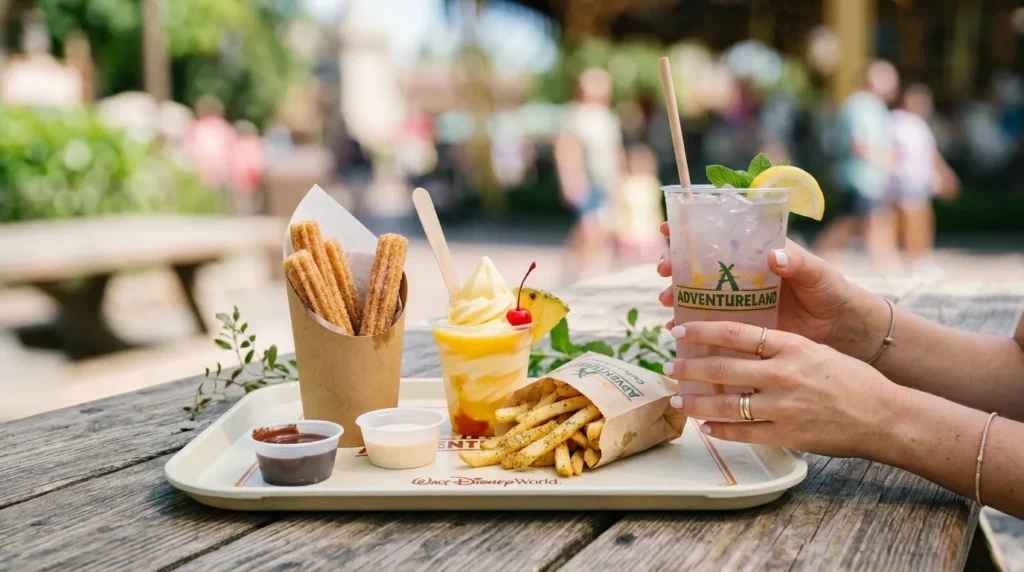
Food lines can eat up your day if you follow the crowd. The simplest fix: eat early or late. An early lunch or late lunch can mean faster ordering, easier seating, and a calmer break. If your group gets hangry, schedule snacks like mini-meals so you’re never forced into a long line at peak time.
Build food into your ride order: plan your next ride cluster near where you want to eat. That way, when you’re done riding, you’re already in the right neighborhood for food. It’s a small planning move that prevents the “we’re starving, where are we?” chaos.
12) Mobile order everything you can (it’s the best line-skip for food)
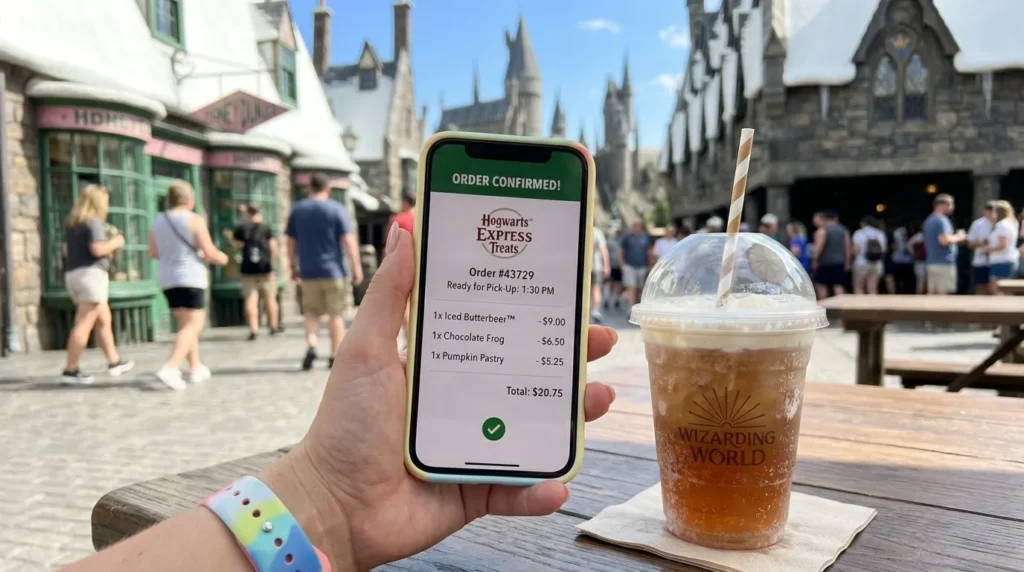
Mobile ordering is designed to save time: you order and pay in the app, choose an arrival window, then pick up when it’s ready. The biggest hack is to place your order before you’re starving—schedule a pickup time that matches your route, then keep touring. This avoids the “we’re hungry and every line is 30 minutes” moment. (Disneyland Resort)
When you’re about 10–15 minutes away, start heading toward the pickup area so your food timing stays smooth. If you’re traveling with kids, mobile order makes meals calmer because you’re not standing still in a hot line. It also helps picky eaters since you can review menus and customize without pressure.
13) Table-service plan: use reservations or walk-up lists strategically
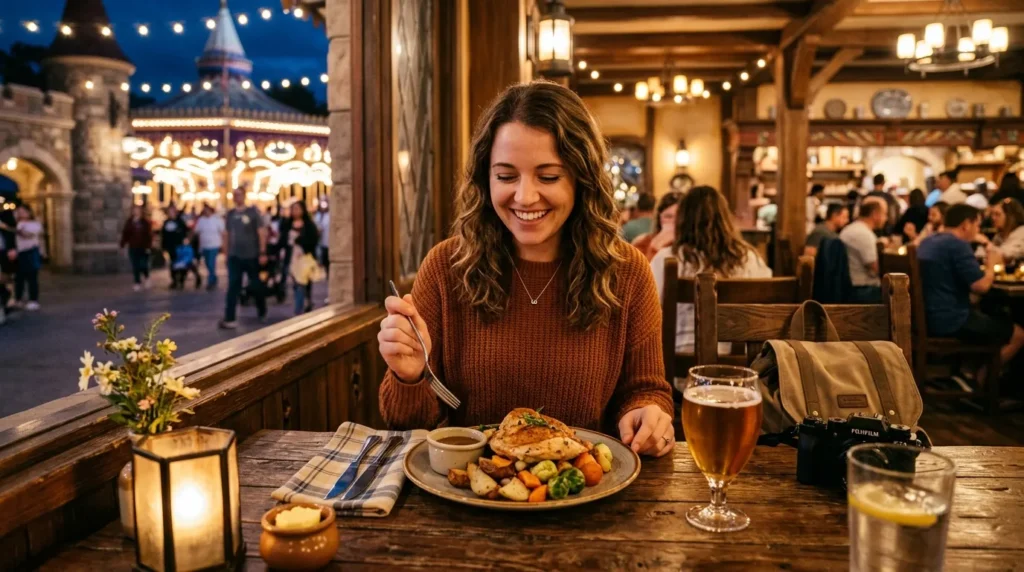
If you want table-service, plan it like a priority—because it can shape your entire day. Dining reservations can open up to 60 days in advance at select restaurants, and popular spots fill fast. If you don’t get a reservation, check for walk-up availability options in the app during your visit. (Disneyland Resort)
The best trick is timing: schedule table-service during peak crowds (midday) when ride lines are rough. That turns a “crowded hour” into a relaxing break. Then you return to rides when the park starts to thin again. Food becomes part of your line strategy—not a random interruption.
14) Snack like a planner: share, split, and “stack” treats with your route
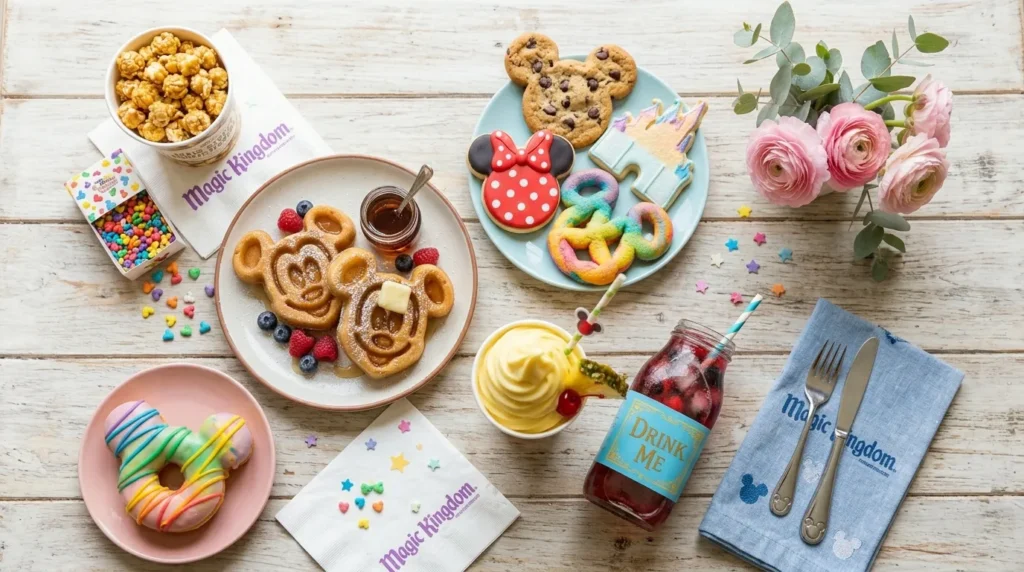
Instead of one giant meal that costs time and energy, build a snack plan. Share treats, split portions, and treat snacks like “checkpoints” between ride loops. This keeps your group happy and moving, and you avoid wasting 45 minutes searching for seating when everyone is cranky. For Pinterest-style planning, think: one sweet, one salty, one cold drink—done.
The smart move is stacking snacks with your route. If you’re walking to a new land anyway, grab the snack there rather than backtracking. Less walking, less waiting, and more fun. Plus, snack photos are easy content if you’re posting later.
15) Hydration + shade = better ride order (because energy is time)
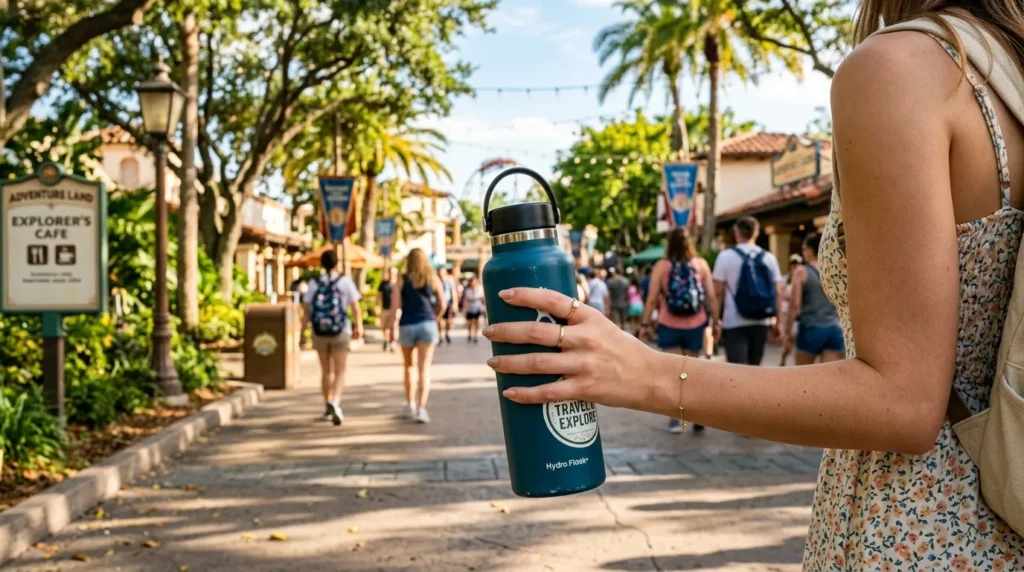
A tired group moves slowly, argues more, and wastes time—so protecting energy is a real “lines hack.” Hydrate regularly, use shaded routes when possible, and plan short sit-down breaks before people crash. You’ll tour faster and enjoy more without feeling like the day is a marathon. If you’re with kids, schedule a calm break before the meltdown, not after.
This also improves your ride order: when you feel good, you can take advantage of short waits immediately. When you’re exhausted, even a 10-minute walk feels impossible. Energy management is the invisible difference between “we did everything!” and “we only rode three things.”
16) Pack a “line kit” so you don’t lose time buying basics
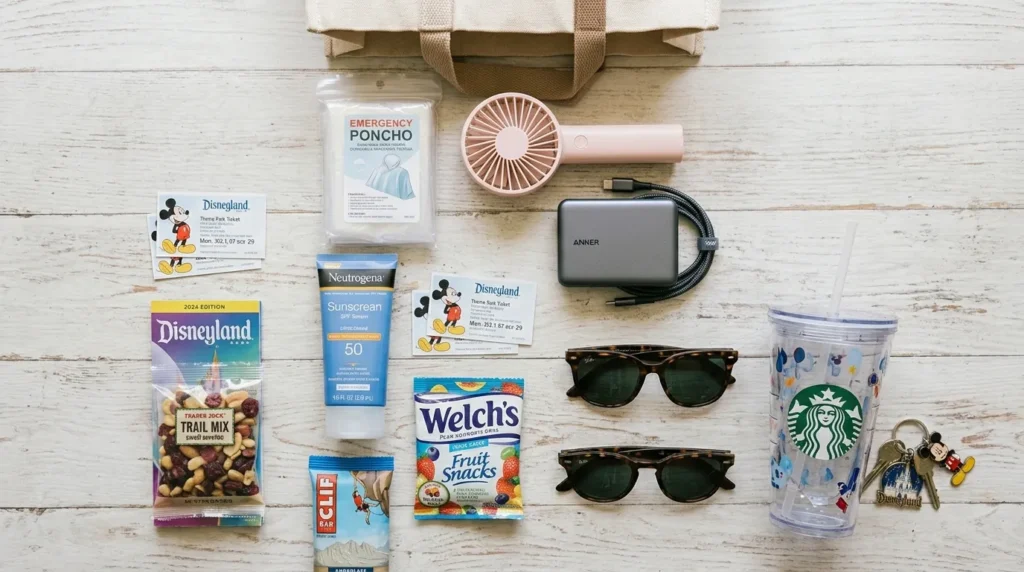
Your bag can save you time if it’s packed with the right essentials: portable charger, blister care, sunscreen, a small poncho, and a compact fan in warm months. These prevent the classic time-wasters—stopping to shop for a charger, hunting for bandages, or hiding in a store because you’re unprepared for weather.
Keep it minimal so you’re not carrying a brick all day. The goal is “small fixes fast,” not overpacking. When your group is comfortable, you stay on your ride plan instead of constantly detouring for supplies.
17) Photo strategy: take iconic photos when crowds are lowest
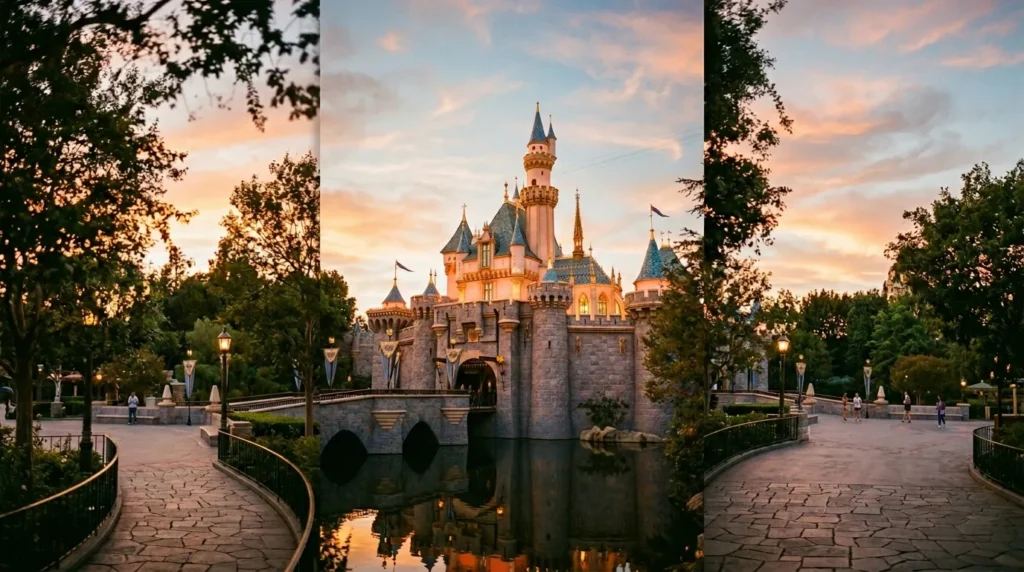
If you want castle photos or clean backgrounds, timing matters more than camera gear. The best moments are usually early morning and late evening when walkways thin out. Build this into your ride order: do photos right after rope drop (before your first land loop) or during the last hour when people are leaving. You’ll get better shots and save time versus fighting crowds midday.
Bonus trick: take photos while others snack, or while you’re waiting for a mobile order pickup window. That turns “dead time” into content time. You’ll leave with better memories and still keep your touring plan efficient.
18) Locker strategy: go lighter so you walk faster and queue easier
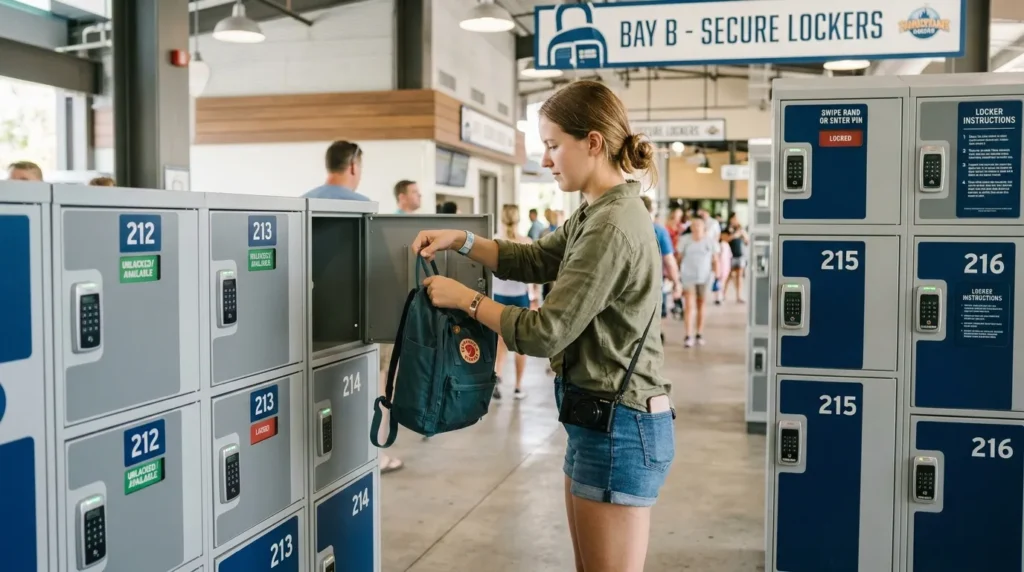
Heavy bags slow you down in every single line. If you’re carrying extra layers, souvenirs, or bulky items, consider using a locker so your group can move faster and feel less tired. It’s especially helpful if you’re park hopping or buying merch early and don’t want to carry it all day. A lighter group makes quicker decisions and navigates crowds better.
The key is packing smart: keep only “must-have” items on you and stash the rest. Your ride order will flow more smoothly when you’re not constantly adjusting bags, searching for items, or feeling worn out from carrying too much.
19) Use the map to choose the next closest win (not the perfect ride)
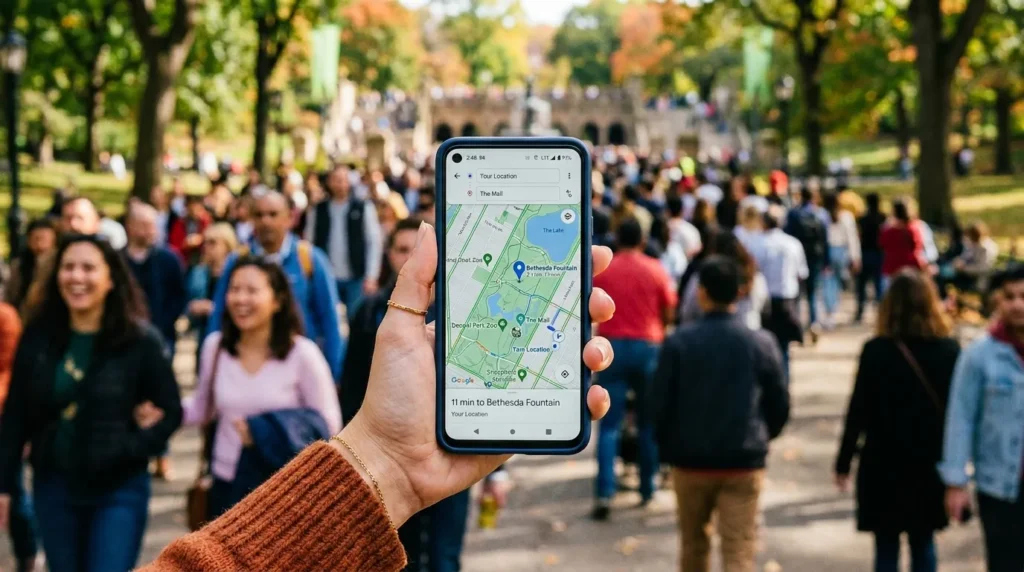
A perfect touring plan still fails if you spend the day walking back and forth. Use the app map to find the best next move near you: a ride with a reasonable wait, a snack stop with mobile pickup, or an indoor attraction when it’s hot. This “closest win” approach keeps your day moving forward without long detours.
You’ll also avoid the common trap: chasing one low wait time across the park, only to arrive and see it jump. Staying local makes your plan more stable. It’s the simplest way to feel like you’re always doing something fun instead of commuting inside the park.
20) Skip checkout lines with Merchandise Mobile Checkout when available
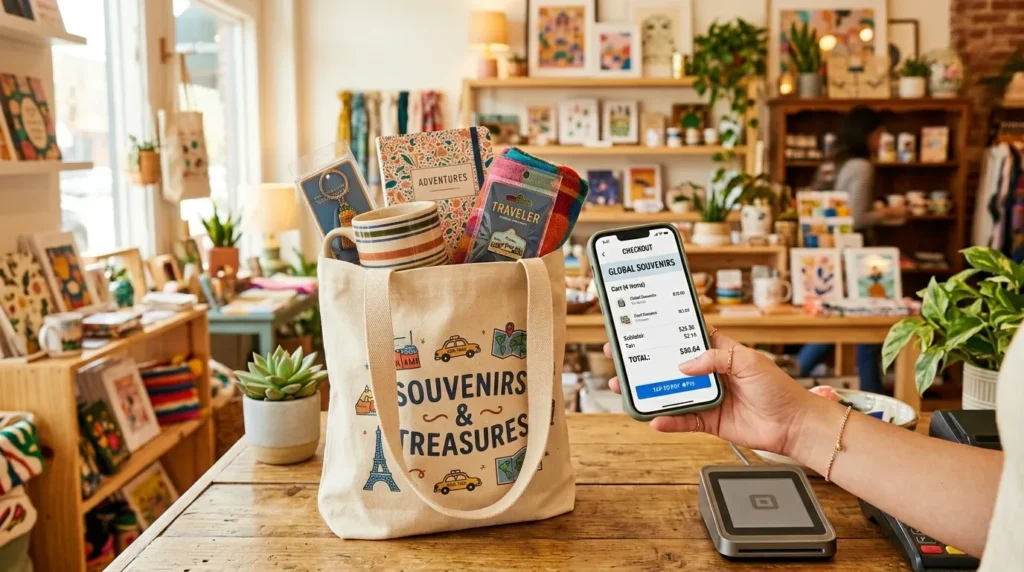
Shopping can be a sneaky time drain—especially if registers are packed. Disneyland’s Merchandise Mobile Checkout (when available at a location) lets you pay in the app and skip the register line. Use it for quick souvenir grabs so you don’t burn prime ride time standing at a counter. (Disneyland Resort)
Best timing: shop during peak ride waits (midday) or late evening when you’re done with your ride blitz. If you’re buying gifts, do one focused shopping stop rather than many little stops. That keeps your day efficient and prevents the “we keep getting stuck in stores” spiral.
21) Nighttime show viewing: check for virtual queue options and plan around it
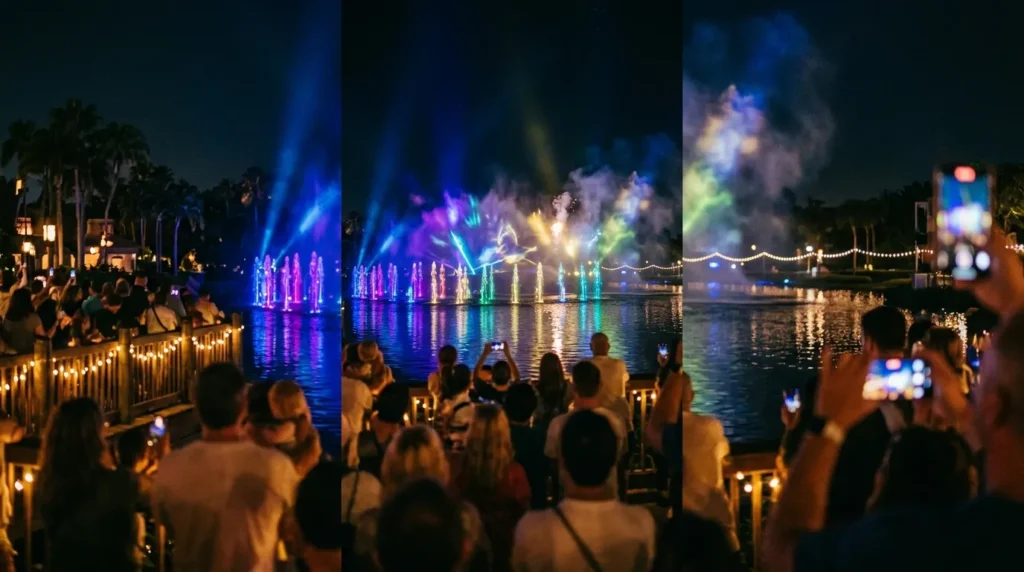
Some nighttime viewing areas may use a virtual queue selection through the app (when offered). If that’s part of your plan, check early so you don’t miss the window, and follow the instructions you receive in the app. If virtual queue fills, you may still be able to find a spot by arriving earlier and asking about walk-up options. (Disneyland Resort)
Either way, treat the show like an “anchor.” Plan your ride order so you’re in the right area before showtime, then do nearby rides right after the show ends when crowds shift. This prevents frantic cross-park sprints and keeps your evening feeling smooth instead of stressful.
22) The last-hour ride blitz: save your energy for the best finishing stretch
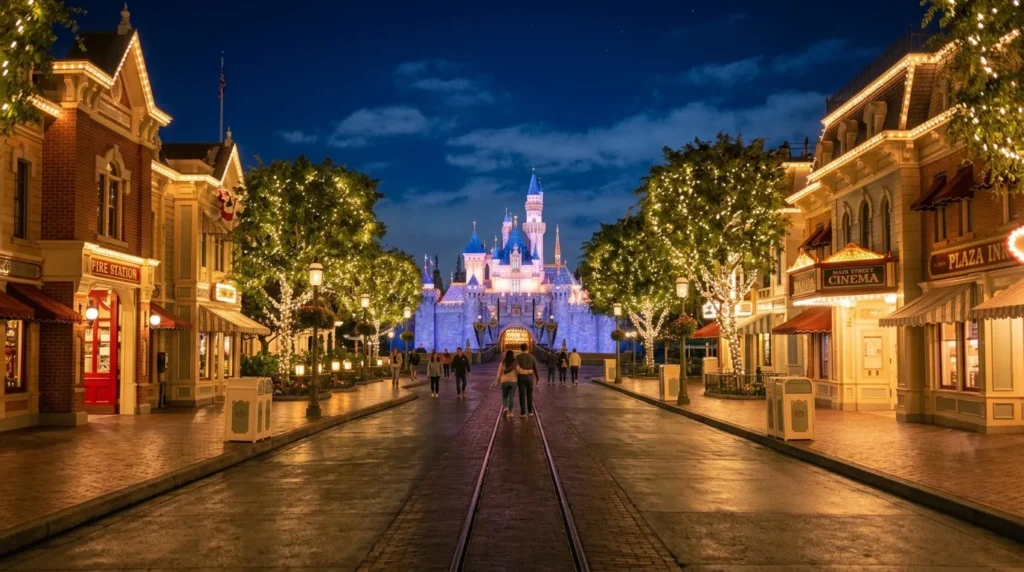
The last hour can be surprisingly productive because some families leave early and walkways open up. If your group still has energy, use the end of the night for a focused “ride blitz”: pick 2–3 nearby attractions and commit. Don’t wander. Don’t shop. Just ride. Ending with momentum feels amazing and often delivers your best wait-time wins.
Then use your exit strategy: take photos, browse a final shop if you want, and let the crowd clear a bit if transportation lines feel intense. A strong finish turns a good day into a “we crushed it” day—and that’s the whole goal of smart planning.
