


Eating healthy on the go can feel challenging, but it doesn’t have to be. This clean eating while traveling guide offers 20 practical tips and meal ideas for airport days, road trips, and any adventure on the move. From packing nutritious snacks to finding wholesome options at airports and roadside stops, these strategies make staying on track simple. Whether you’re a frequent flyer or a weekend road-tripper, this guide ensures you can enjoy your journey without sacrificing your healthy eating habits, keeping energy levels high and cravings at bay.
1) Pack a “Protein + Fiber” Snack Pouch
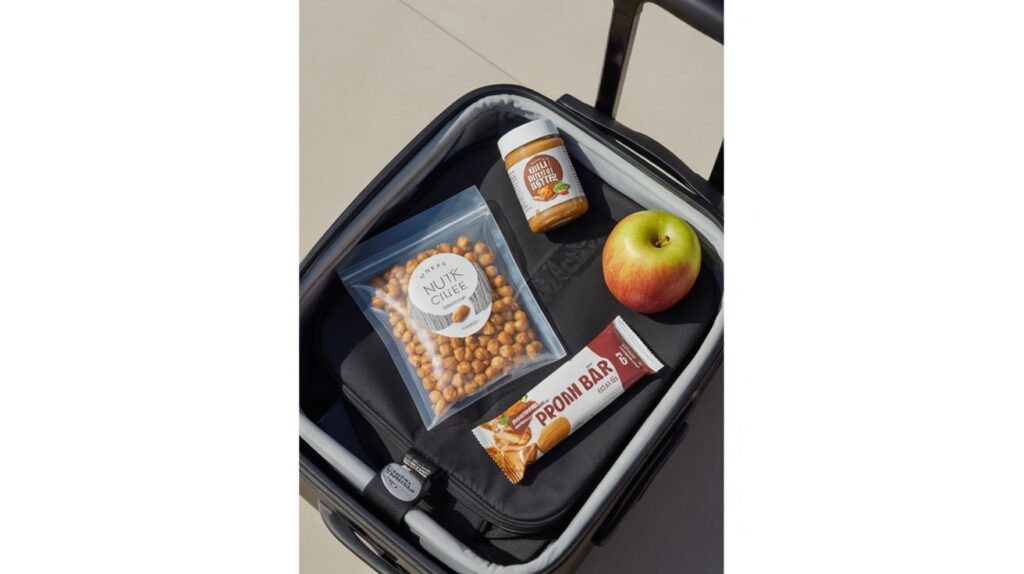
A snack pouch removes the last-minute scramble that leads to random airport snacks. Keep it focused: one protein item, one fiber item, and one “crunch” item. This combo supports steady energy and fewer hunger spikes during delays. Choose items that do not melt, crush easily, or require refrigeration. Pack the pouch where it is easy to reach, not buried under clothes. A simple snack plan fits both flights and road trips with zero extra effort.
Rotate your pouch options so it feels fresh across trips. Keep flavors neutral and portable: almonds, roasted edamame, dried chickpeas, or a simple protein bar with short ingredients. Add a piece of sturdy fruit like an apple for hydration and fiber. After travel, restock immediately so the pouch stays ready for the next airport day. This one habit keeps clean eating consistent without relying on perfect food options.
2) Choose a Balanced Airport Breakfast Combo
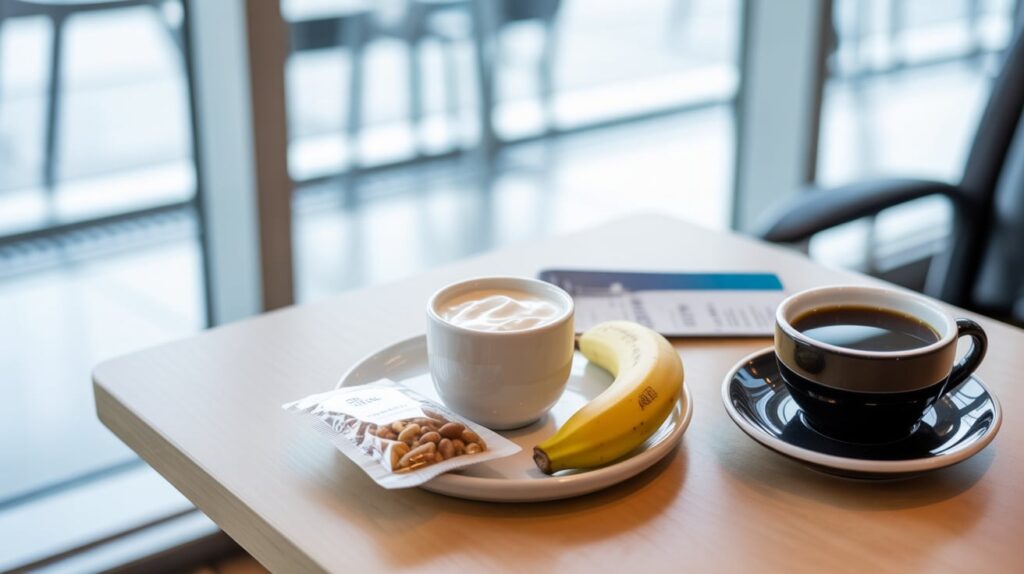
Airport breakfast gets cleaner fast when the plate has protein, fruit, and a simple drink. A yogurt cup plus fruit plus nuts creates a balanced meal that travels well through gates and boarding lines. This approach works even when choices look limited. Focus on plain yogurt or lower-sugar options, then add your own sweetness from fruit. Keep the drink simple to avoid extra sugar that can increase cravings later in the day.
If yogurt is not available, choose eggs with fruit, or oatmeal with nuts added. Avoid building breakfast around pastries, because the energy drop arrives quickly during travel stress. Eat before the rush hits, not after hunger becomes urgent. A calm breakfast supports better choices at lunch. This strategy also reduces the impulse to buy multiple snacks later, because the first meal already covers the basics.
3) Use the “One Bowl Rule” at Food Courts
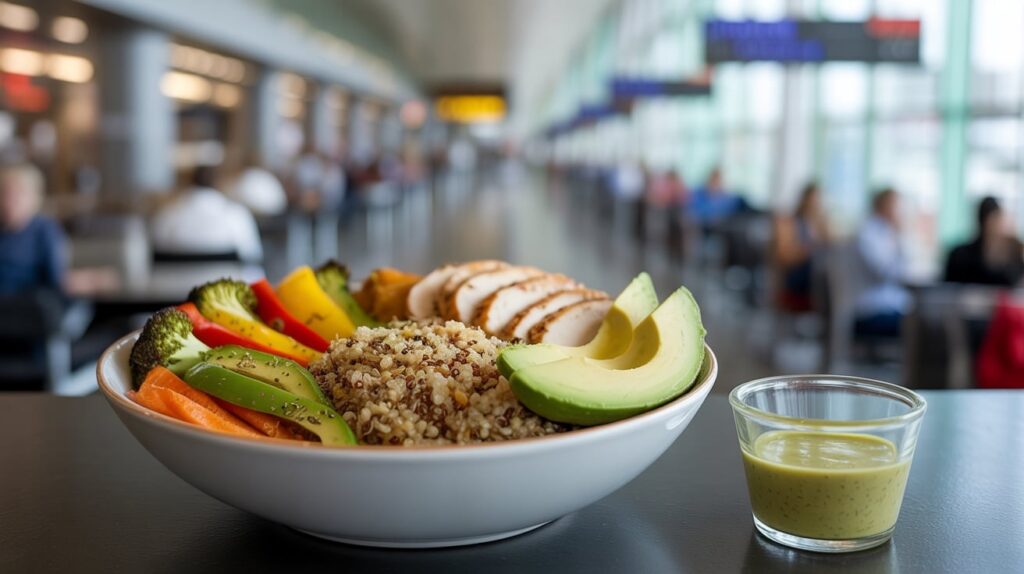
Food courts often offer one meal format that stays clean: bowls. Build one bowl with a base, a protein, and two vegetable choices. This keeps portions more balanced than separate sides and random add-ons. Aim for brown rice, quinoa, greens, or beans as the base. Add chicken, tofu, beans, or fish if available. Keep sauces on the side so the bowl stays fresh and not heavy. One bowl also travels easily to a gate.
Choose vegetables first, then fill the rest with protein and base. This order prevents a carb-heavy bowl that leaves you hungry again too soon. If the bowl station offers pickled vegetables or salsa-style toppings, use them for flavor without extra oil. Keep a simple drink like water or unsweetened tea alongside it. This single decision pattern works in airports and rest stops and keeps clean eating consistent.
4) Order “Double Veg, One Protein” at Restaurants
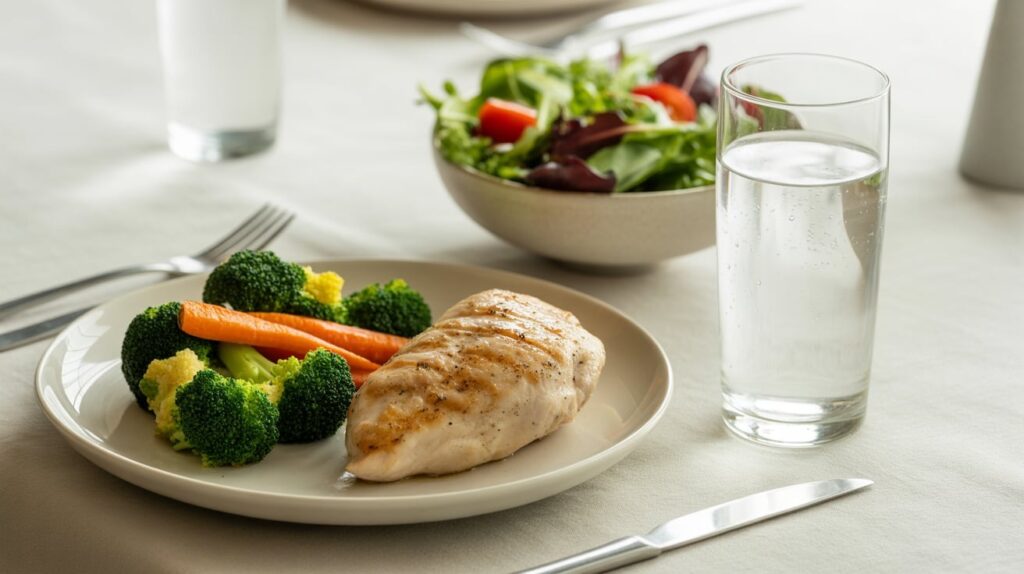
Restaurant travel meals stay clean when the order is structured. Ask for double vegetables, a clear protein, and one simple carb if desired. This creates a plate that feels filling without turning into a heavy travel meal. Grilled, roasted, or steamed options travel better than fried foods because they sit lighter during long car rides or flights. Keep bread baskets as optional, not automatic, so the meal stays aligned with your plan.
Use simple language when ordering: “vegetables instead of fries” or “extra salad instead of a second starch.” Restaurants are used to swaps, especially in busy travel zones. If vegetables look limited, add a side salad and choose a lean protein entrée. This method works for diners, airport restaurants, and highway stops. The goal is consistency, not perfection, so one clean structure carries you through any menu.
5) Keep Dressings and Sauces on the Side
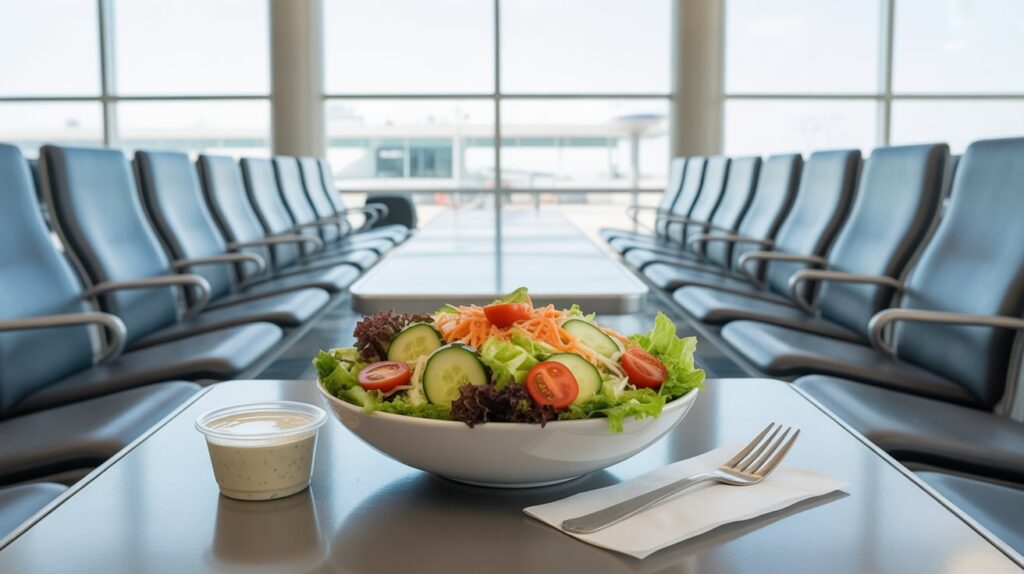
Sauces are often the hidden reason a “healthy-looking” meal feels heavy. Keeping dressing on the side gives control without removing flavor. Dip bites instead of pouring everything in. This keeps salads crisp, wraps less soggy, and bowls more balanced. It also helps you taste the food rather than covering it. On travel days, lighter meals often feel better, especially with sitting, walking, and temperature changes.
The same rule works for road trips: sauces in small cups prevent mess and reduce overeating from extra calories. Choose simple options like olive oil, vinegar, salsa, mustard, or yogurt-based sauces when available. If a meal comes pre-sauced, ask for a fresh bowl or request lighter sauce. Clean eating on the go becomes easier when flavor stays intentional, not accidental.
6) Hydrate First, Then Decide on Snacks
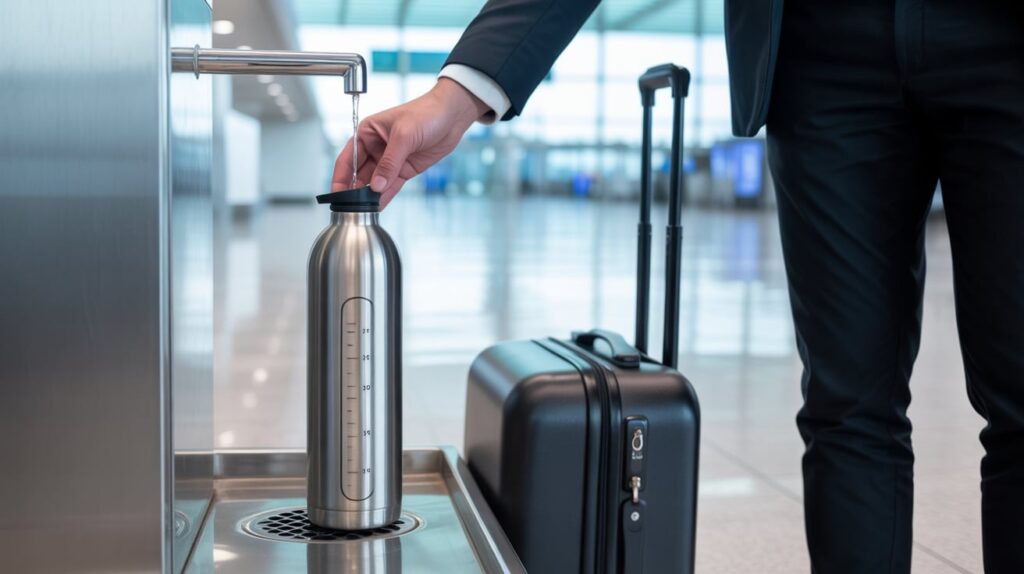
Travel hunger often looks like thirst, especially in dry planes and heated cars. Drink water before buying snacks and reassess after a few minutes. This reduces impulse purchases and keeps energy steady. Carry an empty bottle through security, refill after, and keep it in your hand rather than in the bag. On road trips, refill at every stop, not only when the bottle is empty. Consistent hydration supports digestion and keeps cravings calmer.
Pair hydration with a simple electrolyte plan if needed, especially during long hot drives. Choose low-sugar options or plain electrolytes. If water feels boring, choose unsweetened tea or sparkling water. Keeping drinks simple prevents the sugar-caffeine spike cycle that makes clean eating harder later. Hydration is the easiest “clean” decision available in every airport and every gas station.
7) Build a Road Trip Cooler That Actually Gets Used
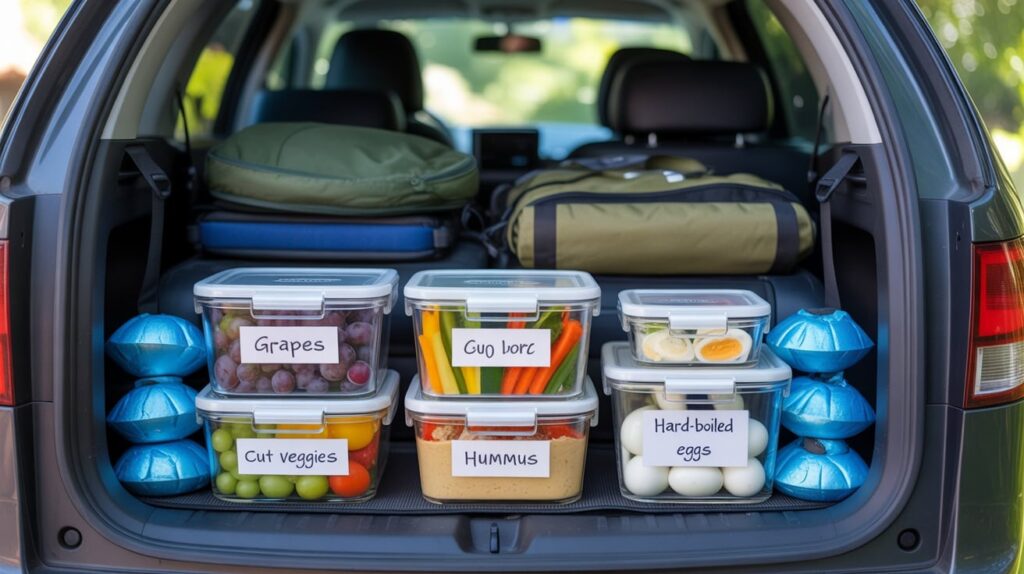
A cooler only helps when the food inside is grab-and-go. Pack items that require no prep at the moment you eat them. Think washed grapes, cut carrots, snap peas, boiled eggs, turkey slices, or a small container of hummus. Keep everything in small containers so one stop equals one easy snack. Add a few ice packs and place the cooler where it is reachable, not buried under luggage.
Use the “top layer” for what you plan to eat first, and keep backups below. Label containers by day if the trip is long. This reduces the fast-food trap when hunger hits between towns. Clean eating becomes simple when the clean option is the easiest option. A practical cooler plan saves money and protects energy across long driving hours.
8) Make One Grocery Stop Your First Destination Habit
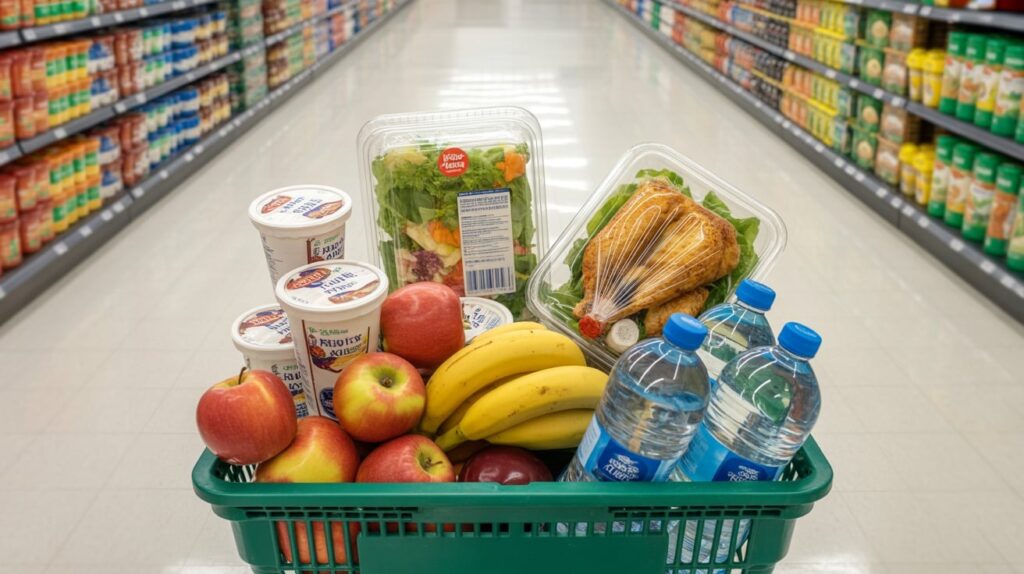
Arriving hungry at a hotel pushes people into fast food or heavy dinners. A quick grocery stop first solves that. Buy a small set of basics: fruit, yogurt, salad kit, a simple protein, and water. This creates easy breakfast and snack coverage for the entire stay. Even one bag of groceries improves every travel decision afterward. It also supports a calmer schedule, because meals stop feeling urgent.
Choose foods that work without a full kitchen. Look for items that require only a fork or a fridge. If you have no fridge, buy shelf-stable options and single-serve portions. Keep the grocery stop short and focused, not a long shopping trip. One intentional stop sets the tone for clean eating across the whole trip, including airport mornings on the way home.
9) Create a “Hotel Mini Pantry” with 5 Items
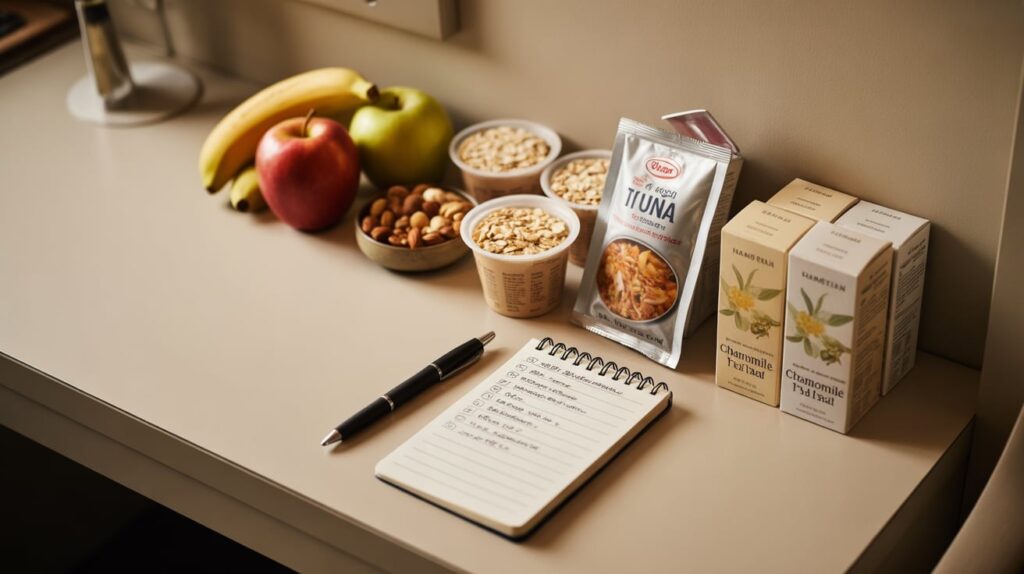
A mini pantry keeps clean eating consistent when restaurant timing is unpredictable. Choose five items that cover breakfast, snacks, and one emergency meal. Examples: oatmeal cups, nuts, tuna or bean pouches, fruit, and tea. This avoids late-night vending machine runs and reduces pressure to “find something” when tired. Keep the pantry visible on the desk so it stays top of mind. Simple access supports better choices without extra willpower.
Balance the pantry with one salty item and one sweet item so cravings feel covered. Pack a plastic spoon or reuse one from the airport. If the room has a kettle or coffee maker, oatmeal and tea become easy comfort options. A hotel mini pantry does not replace local dining, it protects your routine. Clean eating works best when backup plans exist.
10) Use the Convenience Store “Three-Pick Method”
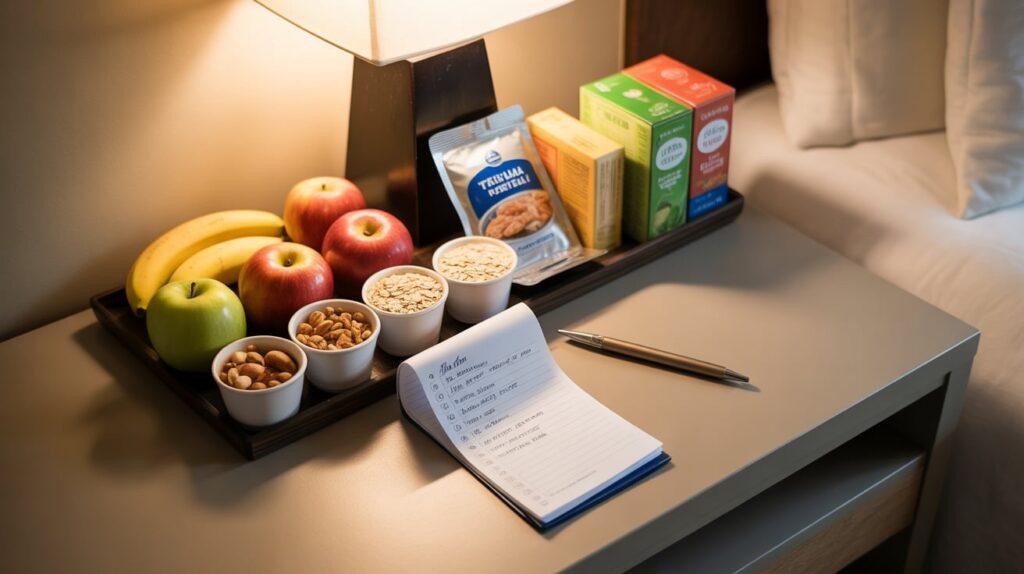
Convenience stores can fit clean eating when choices follow a pattern. Pick one protein, one produce item, and one “steady energy” item like nuts or whole-grain crackers. This avoids a cart full of random snacks. Protein options include yogurt, cheese sticks, hard-boiled eggs, or jerky with simple ingredients. Produce can be bananas, apples, cut fruit cups, or baby carrots. Add water and the stop becomes a real meal support, not a sugar run.
Scan labels quickly and choose the shortest ingredient list available. Avoid items that look “healthy” but carry heavy added sugar. If the store has a salad or wrap section, pair it with plain water and a piece of fruit. Clean eating on the road improves when stops have a repeatable formula. The goal is speed plus structure, so decisions stay simple in busy travel moments.
11) Pack a Travel Lunch That Clears Security Easily
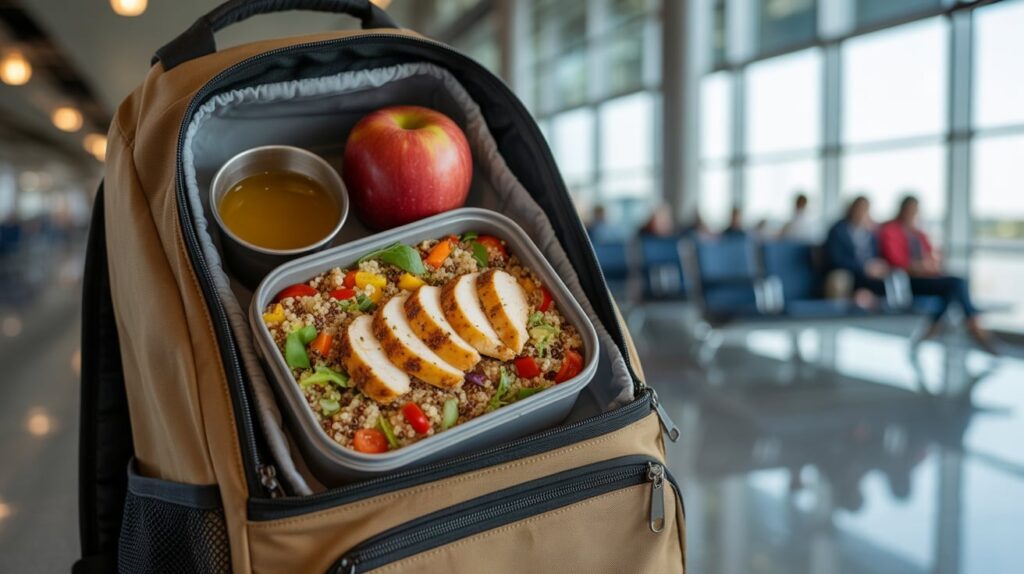
A homemade travel lunch keeps you independent from airport pricing and limited choices. Choose foods that travel clean: grain salads, wraps without messy sauces, or protein boxes with fruit. Avoid liquids and keep sauces in tiny containers. Solid foods pass security more smoothly than soups or large spreads. Pack the lunch near the top of your personal item so it stays upright and easy to pull out. This supports clean eating during long layovers or late arrivals.
Build the lunch with simple layers: base, protein, vegetables, then a crunchy element like seeds. Keep it cool with a small ice pack if possible, or buy it close to departure. Even a simple sandwich plus fruit is better than relying on last-minute snacks. A prepared lunch reduces stress, because food becomes a solved problem on the busiest travel day.
12) Choose One “Anchor Meal” Each Travel Day

Travel days feel chaotic, so one planned anchor meal stabilizes everything else. Pick a meal that stays consistent: a breakfast bowl, a protein salad, or a simple plate with eggs and fruit. This anchor meal reduces the odds of grazing all day. When one meal is solid, snacks become smaller and more intentional. Clean eating becomes easier because decisions decrease. The anchor also supports energy planning around driving, walking, or flight timing.
Choose the anchor based on the travel schedule. If mornings start early, anchor with breakfast. If the day begins with a flight and ends late, anchor with an early dinner. Keep the meal balanced, not extreme. Protein plus produce stays the core. This approach supports consistency even when the rest of the day includes unpredictable delays, limited menus, or long stretches between stops.
13) Keep Protein in Your Carry-On, Not Checked Bags
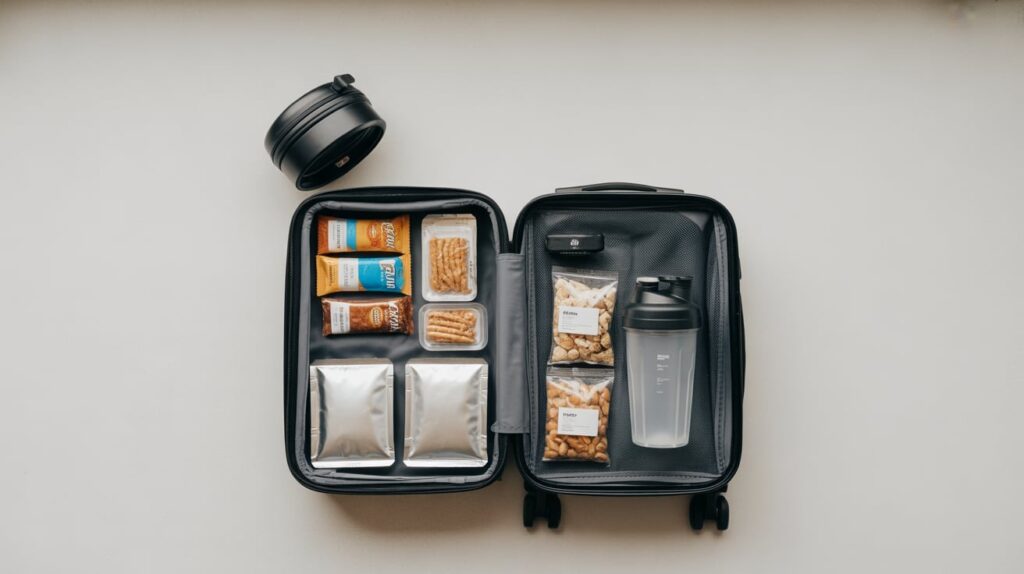
Protein options disappear first at crowded gates, and checked luggage does not help during delays. Keep shelf-stable protein in your carry-on so it is available anytime. Options include tuna pouches, roasted chickpeas, jerky with simple ingredients, or protein bars you already tolerate well. This prevents the “only pastry left” problem at busy airports. Protein also helps hunger feel calmer, which supports better decisions for the next meal.
Pack protein items in one small pouch for quick access. Pair with fruit from airport shops for a complete snack. Keep strong-smelling items sealed well so the bag stays pleasant. The goal is practical, not perfect nutrition. A small protein plan reduces stress, supports steadier energy, and makes clean eating realistic on the longest travel days.
14) Plan a “Smart Coffee” Strategy

Coffee fits clean eating when it stays simple and predictable. Choose black coffee, americano, or a latte with unsweetened milk, then skip sugar-heavy syrups. Pair coffee with a small protein bite to reduce jittery hunger later. This is especially helpful in airports where caffeine plus pastries becomes a fast cycle. A consistent coffee order also saves time because you stop debating the menu each trip.
If you enjoy flavor, add cinnamon or choose a smaller size. Keep hydration alongside coffee, since travel air feels dry. Coffee works best as a tool, not a substitute for food. When coffee is paired with a real snack, energy stays steadier. This strategy supports both airport days and early morning road trips where routine matters and food choices feel rushed.
15) Use the “Vegetable First” Order at Any Meal
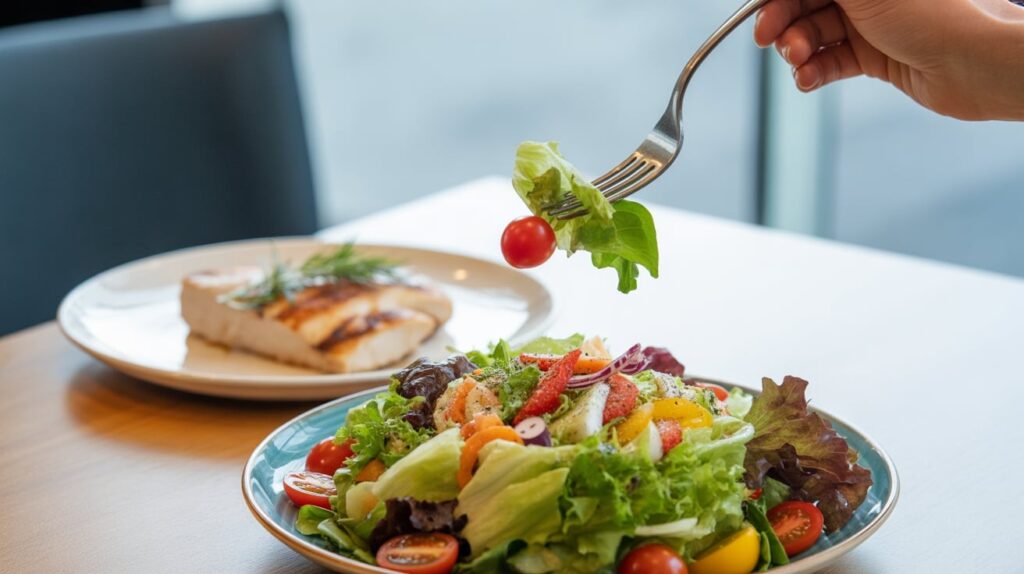
Eating vegetables first shifts the entire travel meal without requiring strict rules. Start with salad, steamed vegetables, or a veggie side, then move to protein and carbs. This reduces overeating from hunger urgency and supports steadier energy. It also makes restaurant meals feel lighter during long sitting periods. Clean eating becomes easier because your first bites are nutrient-dense, not calorie-dense. The approach works anywhere: airport restaurants, diners, hotel breakfasts, and roadside grills.
Order vegetables as soon as you sit down so they arrive early. Ask for a simple dressing on the side. If the meal comes as a combo, swap one side for vegetables. This small sequencing choice changes how full you feel and how cravings behave later. It also helps you enjoy local food more, because you are not arriving at dessert already over-hungry.
16) Choose “One Treat, One Time” for Local Food Moments

Clean eating while traveling still allows local tastes, because travel includes culture. A simple rule keeps it balanced: pick one treat at one planned time, then enjoy it fully. This prevents the “snack all day” pattern that leaves you unsatisfied. A planned treat feels intentional, not impulsive. It also supports better digestion and steadier energy on walking-heavy days. Clean eating stays realistic when it includes small flexible moments.
Choose the treat based on place, not convenience. Split it if portions are large. Pair it with protein earlier in the day so the treat does not become your first real intake. This approach keeps the trip enjoyable while protecting routine. Clean eating is not about removing pleasure, it is about keeping pleasure structured so the rest of the day stays easy.
17) Pack Travel-Friendly Produce That Survives Bags
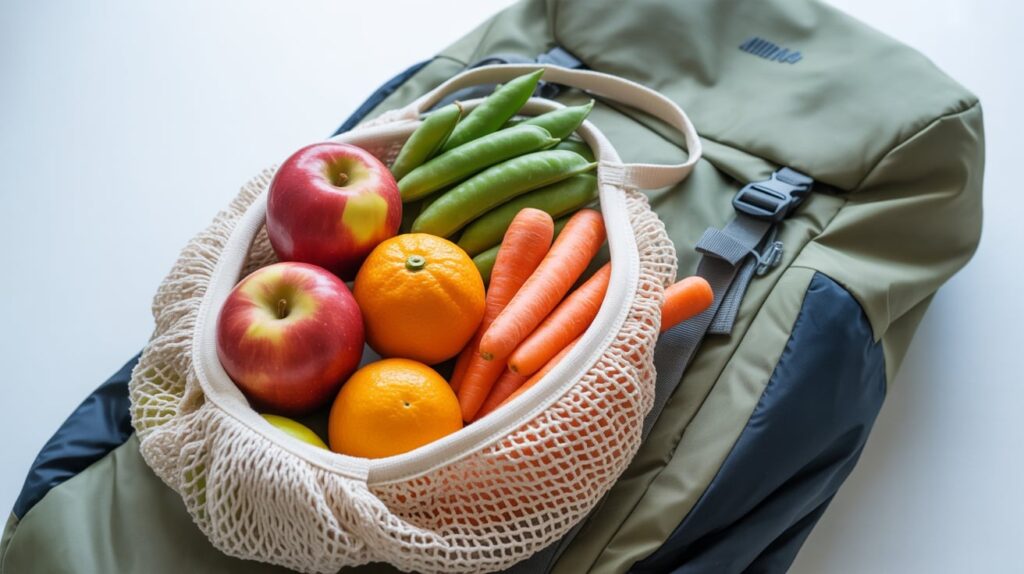
Produce is one of the hardest parts of travel eating, yet it is the simplest upgrade. Choose sturdy options that survive a bag: apples, oranges, carrots, snap peas, and cherry tomatoes in a firm container. These items add fiber, hydration, and freshness to travel days dominated by packaged food. They also pair well with carry-on protein options. A small produce plan supports clean eating even when airport menus look limited.
Wash and pack produce before leaving home when possible. If that is not practical, buy it during the first grocery stop and prep it once in your room. Keep produce in a visible pocket so it gets eaten first. This reduces waste and improves energy. One piece of fruit plus a handful of nuts often replaces a random snack purchase and keeps you steady.
18) Use a Simple “Hunger Pause” Before Buying Food

Travel triggers impulse eating: stress, boredom, and time pressure. A short hunger pause changes that. Before buying food, stop for one minute and ask: thirst, hunger, or fatigue? Drink water first, then decide. This prevents unnecessary snacks and keeps choices intentional. The pause also helps you choose a real meal instead of multiple small items that never satisfy. Clean eating improves when decisions slow down, even briefly.
Use a simple rating system from 1 to 10 for hunger. If hunger feels high, choose a balanced meal. If hunger feels moderate, choose a protein-and-produce snack. If hunger feels low, wait and keep walking. This method supports both airports and road trips where food is everywhere but good options feel scattered. The pause keeps your plan calm and consistent.
19) Keep a Shelf-Stable “Emergency Meal Kit”
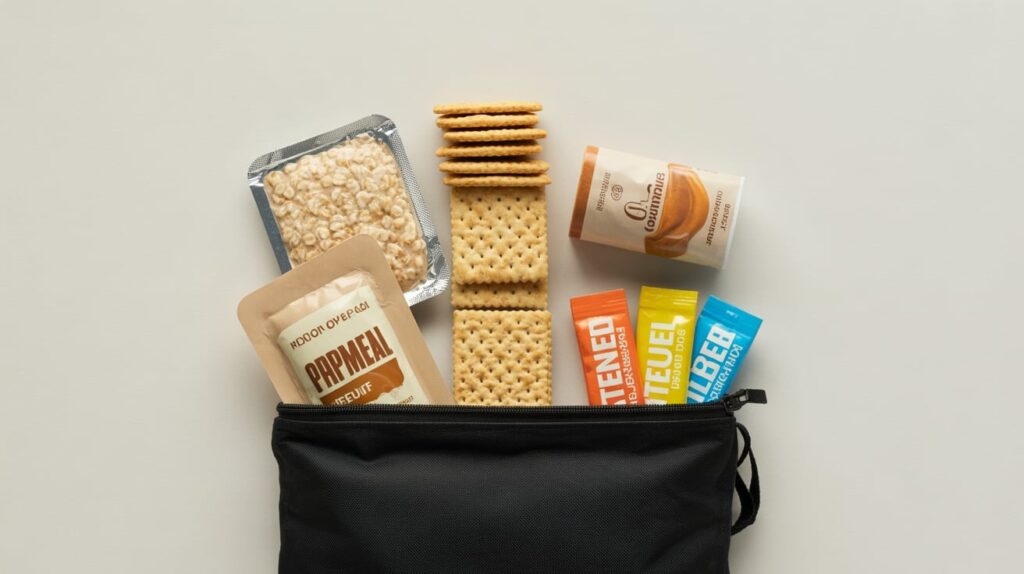
An emergency meal kit protects you during delays, late arrivals, and closed restaurants. Keep it shelf-stable and compact: oatmeal packets, tuna or bean pouches, whole-grain crackers, nut butter packets, and electrolytes. This kit turns a bad travel moment into a manageable one. It also prevents the situation where only candy and chips are available. Clean eating becomes easier when you have a reliable fallback option, not just snacks.
Store the kit in the same bag every trip, then restock after use. Keep it separate from your daily snack pouch so you do not eat it casually. Choose items that you already know your stomach handles well during travel. Even one emergency meal can save the day. This kit supports airport nights, long highway stretches, and unexpected schedule changes without stress.
20) Do a “First Day Back” Reset Meal, Not a Reset Week
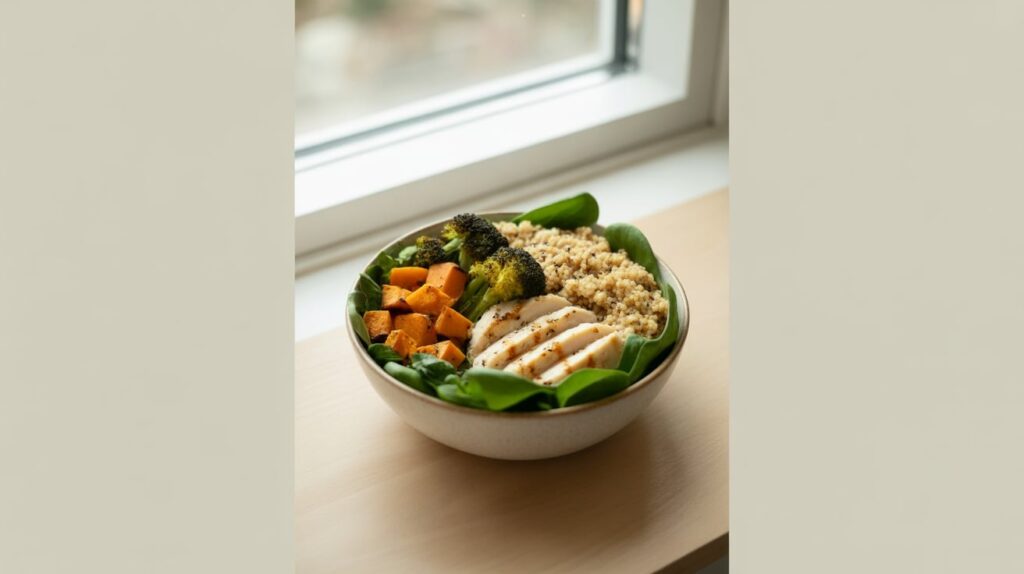
After travel, the fastest way back to clean eating is one simple reset meal. Choose a balanced bowl or plate with vegetables, protein, and a simple carb. This supports digestion and reduces the urge to “overcorrect” with extreme restrictions. Clean eating stays consistent when the reset feels normal and enjoyable. A calm reset meal also helps you notice what your body wants after travel: hydration, fiber, and simple foods.
Plan the reset meal before you leave the trip so it feels automatic when you return. Keep it easy: a salad kit plus protein, or a quick stir-fry with frozen vegetables. Avoid turning it into a strict cleanse. One balanced meal sets the tone for the next day. Clean eating becomes sustainable when the return routine feels simple, not dramatic.
Conclusion (≈75 words):
With these 20 tips for clean eating while traveling, staying healthy on the road or in the air becomes effortless. From pre-packed meals to mindful snack choices, you’ll be prepared for any travel scenario. Save this guide for your next trip and share it with friends who want to eat well while exploring. By planning ahead and making smarter choices, clean eating on the go can be easy, satisfying, and stress-free.
